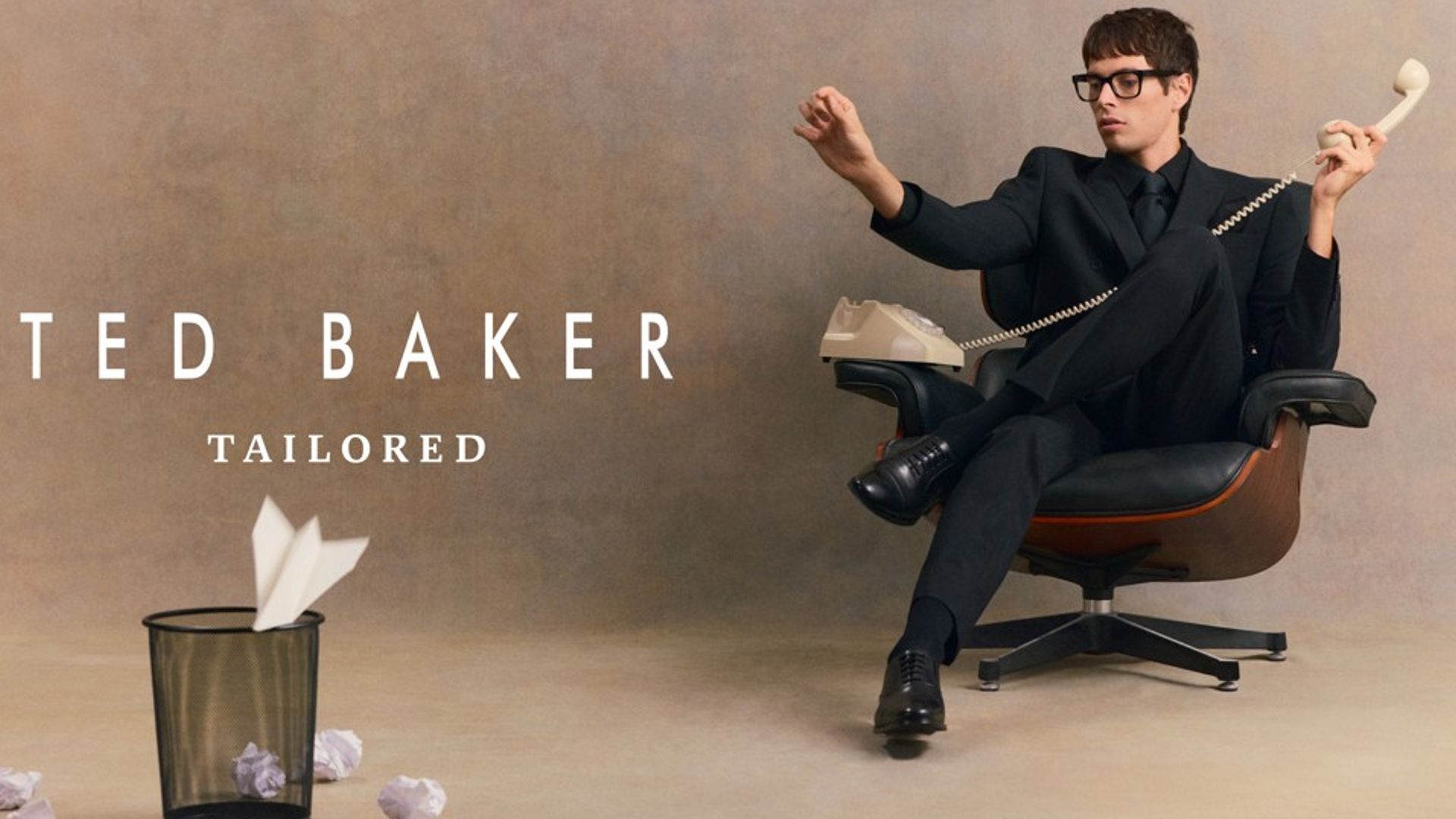
Two years ago, shoppers watched glass storefronts go dark across Britain as Ted Baker pulled down its shutters for good. The brand’s sudden collapse left empty spaces on high streets and in shopping centres from Glasgow to London. Now, the iconic British label is doing a complete about-face. Storefronts are lighting up again, starting with a flagship location in London and backed by brand owner Authentic Brands Group alongside tailoring partner Suit Direct.
If you remember the quirky prints and signature tailoring that defined the high street for decades, this revival feels personal. But resurrecting a retail casualty is notoriously difficult. Let us look at what went wrong, how they plan to fix it, and whether this high street comeback will actually stick.
The Rise and Sudden Fall of a British Fashion Staple
Founded back in 1988 in Glasgow by Ray Kelvin, Ted Baker didn’t rely on massive advertising budgets. Instead, it built a reputation on eccentric British wit, quality fabrics, and meticulous attention to detail. Customers loved the playful prints, structured trench coats, and sharp suits that sat comfortably in the mid-market gap. It wasn't fast fashion, and it wasn't luxury. It was an accessible treat.
By the time the brand reached its peak, it had grown into a global presence with hundreds of stores. Then came a brutal collision of corporate missteps, pandemic fallout, and soaring operational costs. In 2024, operating partner No Ordinary Designer Label (NODL) collapsed into administration. Hundreds of jobs vanished, and physical retail operations ground to a complete halt. Shoppers were left with an online-only placeholder and a fading memory of high street shopfronts.
Inside the Strategy Behind the Comeback
You cannot simply copy and paste a 1990s retail model into the modern shopping environment and expect success. Consumer habits have shifted dramatically. Rent costs are volatile, online returns eat into margins, and shoppers demand tangible experiences when they step inside a physical store.
Authentic Brands Group recognized these hurdles. Rather than rushing to flood every town centre with standalone stores, they are taking a calculated approach. The strategy hinges on two vital components:
- Strategic Partnerships: Teaming up with established entities like Suit Direct ensures that core competencies—like expert tailoring and menswear craftsmanship—remain airtight without building every operational infrastructure from scratch.
- Selective Physical Footprints: Beginning in London, alongside a boutique presence inside Selfridges in Birmingham, keeps initial overhead manageable while re-establishing physical credibility where fashion buyers actually congregate.
Henry Stupp, president of lifestyle for EMEA and India at Authentic, noted that London serves as the natural ground zero to reaffirm the brand's British roots. It's a smart tactical choice. You rebuild authority at home before attempting wider expansions.
What Most People Get Wrong About Retail Revivals
Skeptics love to point out that retail ghosts rarely come back to life. Look at what happened to other iconic names that vanished from British shopping destinations. People assume that once a physical footprint is wiped out, the emotional equity of the brand dies with it.
That is rarely true. Ted Baker still owned immense brand recognition. Millions of consumers still owned, wore, and remembered their pieces. The challenge was never about whether people knew the name; it was about fixing the broken supply chain and structural costs that sank the business initially.
By offloading the day-to-day heavy lifting to specialized partners and focusing strictly on product quality, design integrity, and targeted retail locations, the brand is bypassing the exact financial traps that caused its liquidation.
What This Means for Shoppers and Competitors
If you are walking down the high street soon, expect a sharper, more focused Ted Baker experience. You won't find aisles cluttered with random inventory. Instead, the focus swings firmly back toward classic tailoring, premium outerwear, and the distinct British flair that put the brand on the map in the first place.
Other high street retailers are watching closely. If this asset-light partnership model works, it creates a blueprint for how global brand owners can resurrect distressed heritage labels without taking on catastrophic financial exposure.
The high street has taken plenty of heavy blows over recent years. Seeing a familiar storefront return proves that physical retail isn't dead—it's just evolving past the mistakes of the past. Go check out the new London flagship if you're in the capital, or test out the updated collections through their retail partners to see if the quality holds up to its legacy.