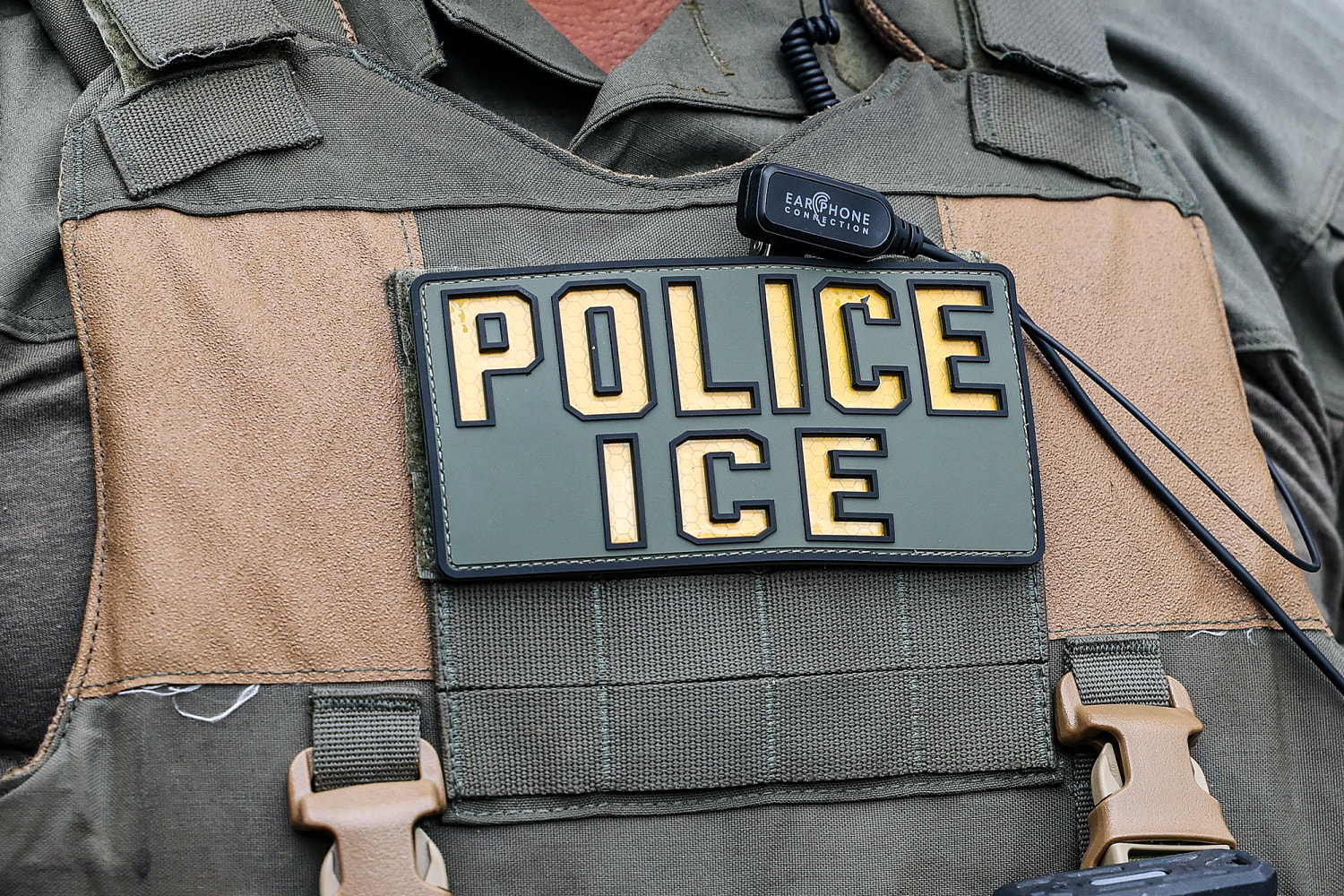
When a federal badge doesn't shield you from local handcuffs, the rules of the game change. Immigration and Customs Enforcement agent Christian Castro just pleaded not guilty in federal court to charges of lying to the FBI, marking a critical twist in a high-stakes legal battle that pits local Minnesota prosecutors directly against federal authorities and the state of Texas.
If you've been following the fallout from the January 2026 shooting in north Minneapolis, you know this story goes far beyond a single bullet. It's a messy collision of jurisdiction, interstate politics, and accountability that exposes deep fractures in how law enforcement officers are investigated when things go sideways.
What Actually Happened on That Minneapolis Street
The incident dates back to January 14, 2026, during a major federal immigration operation in the Twin Cities. Castro and his partner tried to stop a vehicle driven by a 26-year-old Venezuelan citizen, leading to a foot chase outside a north Minneapolis duplex.
Julio Cesar Sosa-Celis, then 24, stepped outside to help during the commotion. According to court records, Sosa-Celis and another person retreated inside the duplex. That's when Castro fired a single shot directly through the front door, striking Sosa-Celis in the foot. Multiple people, including two children, were inside the home at the time, and the bullet ended up lodged in a child's bedroom wall.
Initially, the narrative from the Department of Homeland Security painted a very different picture. Officials claimed Castro had been violently attacked by men wielding a broom and a shovel, leading to local charges against Sosa-Celis and another individual.
Those charges didn't stick. Surveillance footage emerged from a street camera, completely undermining the official account. The charges against the residents were dropped, and the scrutiny turned entirely onto the ICE agent.
The Extradition Showdown with Texas
Before Castro ever saw a Minnesota courtroom, he became the center of a bizarre political standoff. Minnesota authorities charged Castro with second-degree assault and false reporting in May, arresting him in Harlingen, Texas.
Instead of a smooth transfer, Texas Governor Greg Abbott refused to immediately sign an extradition warrant. Castro spent 90 days in a Cameron County jail before being released in late August. Minnesota Attorney General Keith Ellison even filed a lawsuit to force Abbott's hand, arguing that states are constitutionally required to cooperate in criminal extraditions.
That standoff ended abruptly when Castro was booked into the Hennepin County Jail after being arrested by the Minnesota Bureau of Criminal Apprehension on September 16. Ellison dropped the lawsuit against Abbott, declaring that no matter how much sanctuary a governor tries to provide, accountability catches up.
Facing Both State and Federal Judges
Castro now faces a dual-front legal war. In Minnesota state court, a judge set his bail at $200,000 under strict conditions, including electronic home monitoring, surrendering his passport, and pre-signing an extradition waiver so he can't fight a return if he violates bond. State prosecutors argued he was a flight risk, pointing to numerous prison phone calls discussing potential property purchases in Mexico.
Meanwhile, federal prosecutors brought down a separate six-count indictment accusing Castro of making false statements to investigators. On September 18 in St. Paul, U.S. Magistrate Judge Elizabeth Cowan Wright set his federal bond at $75,000, with travel restricted between Minnesota and Texas, a 9:00 p.m. to 6:00 a.m. curfew, and a mandatory mental health evaluation. Castro entered a not-guilty plea to those federal charges.
The Department of Homeland Security has consistently argued that local prosecution of a federal agent is a political stunt and that only federal authorities hold jurisdiction. Yet the Department of Justice's own federal indictment proves that the allegations of fabricating a story to justify shooting through an occupied door are taken seriously at every level.
What Comes Next
This case sets a dangerous and fascinating precedent for how federal immigration sweeps interact with local municipalities. When federal agents operate locally, the friction between local district attorneys seeking to protect their communities and federal agencies protecting their personnel is bound to escalate.
Castro's next major court appearance is scheduled for November 3, 2026. Until then, he's navigating a web of strict release conditions while lawyers argue over the boundaries of federal immunity, state jurisdiction, and the absolute limits of using lethal force during routine operations. Watch this docket closely. It's rewriting the playbook on police accountability.