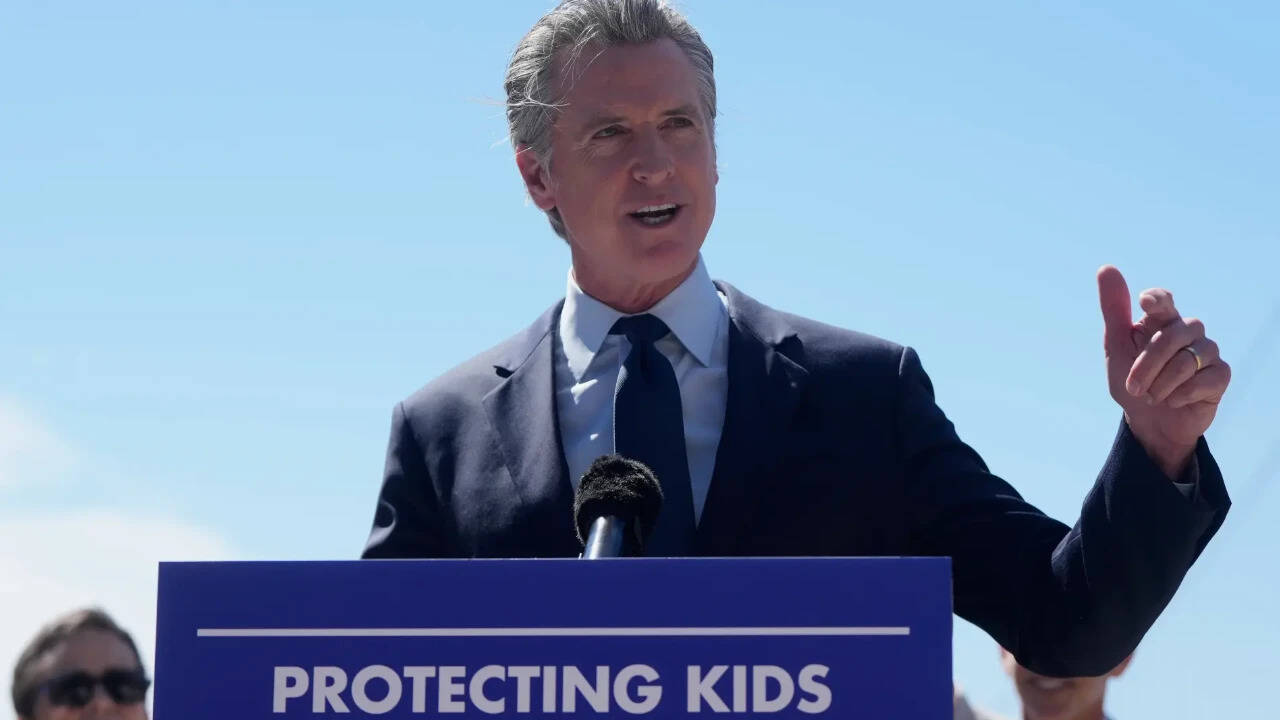
For decades, an alarming legal loophole allowed thousands of minors to be legally wed across the United States. California just drew a hard line in the sand. Governor Gavin Newsom signed Assembly Bill 1267, officially making California the 18th US state to completely ban child marriage by setting 18 as the absolute minimum age for marriage and domestic partnerships without any loopholes or exceptions.
This legislative shift takes effect on January 1, 2027. It repeals past statutes that permitted minors to marry with parental consent and court approval. Authored by Democratic Assemblywoman Gail Pellerin of Santa Cruz and sponsored by groups like Unchained At Last and the California Commission on the Status of Women and Girls, the bill finally closes a dark chapter for a state that previously lacked any statutory minimum marriage age whatsoever.
The Real Numbers Behind the Crisis
People assume child marriage is a relic of the distant past or something that only happens in remote corners of the world. It happens right here in America, and the scale is shocking.
Data compiled by advocacy groups reveals that approximately 35,000 marriages involving minors occurred in California between 2000 and 2021. Unchained At Last estimated that roughly 9,000 girls faced forced or underage marriages annually during peak periods, with the vast majority involving underage girls marrying adult men.
Under older laws, minors locked into these arrangements faced a devastating catch-22: the state offered no legal mechanism for anyone under 18 to file for divorce. Children trapped in abusive or unwanted unions had no legal escape route, forcing them to wait out their minority years while enduring systemic abuse.
Survivors Who Fought Back
Laws don't change in a vacuum. They change because survivors step forward, share their trauma, and demand accountability.
Media personality and child marriage survivor Courtney Stodden stood alongside Governor Newsom during the bill signing. Stodden was famously allowed by her parents to marry actor Doug Hutchison when she was just 16 years old while he was 51. Campaigning tirelessly alongside organizations like Global Hope 365, led by founder Rima Nashashibi, survivors became the core driving force behind the legislation.
Stodden described the new law as a monumental victory, noting that it lifted a heavy burden of misplaced guilt from survivors. Hearing that what happened to them was legally recognized as wrong changes how victims process their past. Brittany Bee, another survivor who married at 17 to escape an abusive home, emphasized that the state's action sends a clear message of hope for children seeking freedom from systemic violence.
What States Still Allow Child Marriage
While California joining the fold marks major progress, the fight is far from over. Child marriage remains entirely legal in 32 US states.
The legislative landscape varies wildly across the country. Mississippi and New Mexico still lack a statutory minimum age. Other states permit marriage under 18 under specific judicial or parental conditions, creating a patchwork of protection that leaves vulnerable minors crossing state lines or falling through cracks.
Advocates like Stodden have already set their sights on neighboring states. Nevada, where Stodden was originally married at 16, raised its minimum age to 17 following previous campaigns, but activists maintain that anything short of an absolute ban at 18 leaves children exposed.
What Happens Next
The new California law gives state agencies, courts, and communities time to prepare for the transition before the January 1, 2027 enforcement date. Moving forward, the focus shifts toward nationwide reform, ensuring that every remaining state eliminates archaic exceptions that prioritize adult interests over child welfare.
If you want to support the ongoing movement to end underage marriage nationwide, look toward grassroots organizations actively lobbying state legislatures, supporting survivors, and pushing for absolute age minimums across all fifty states.