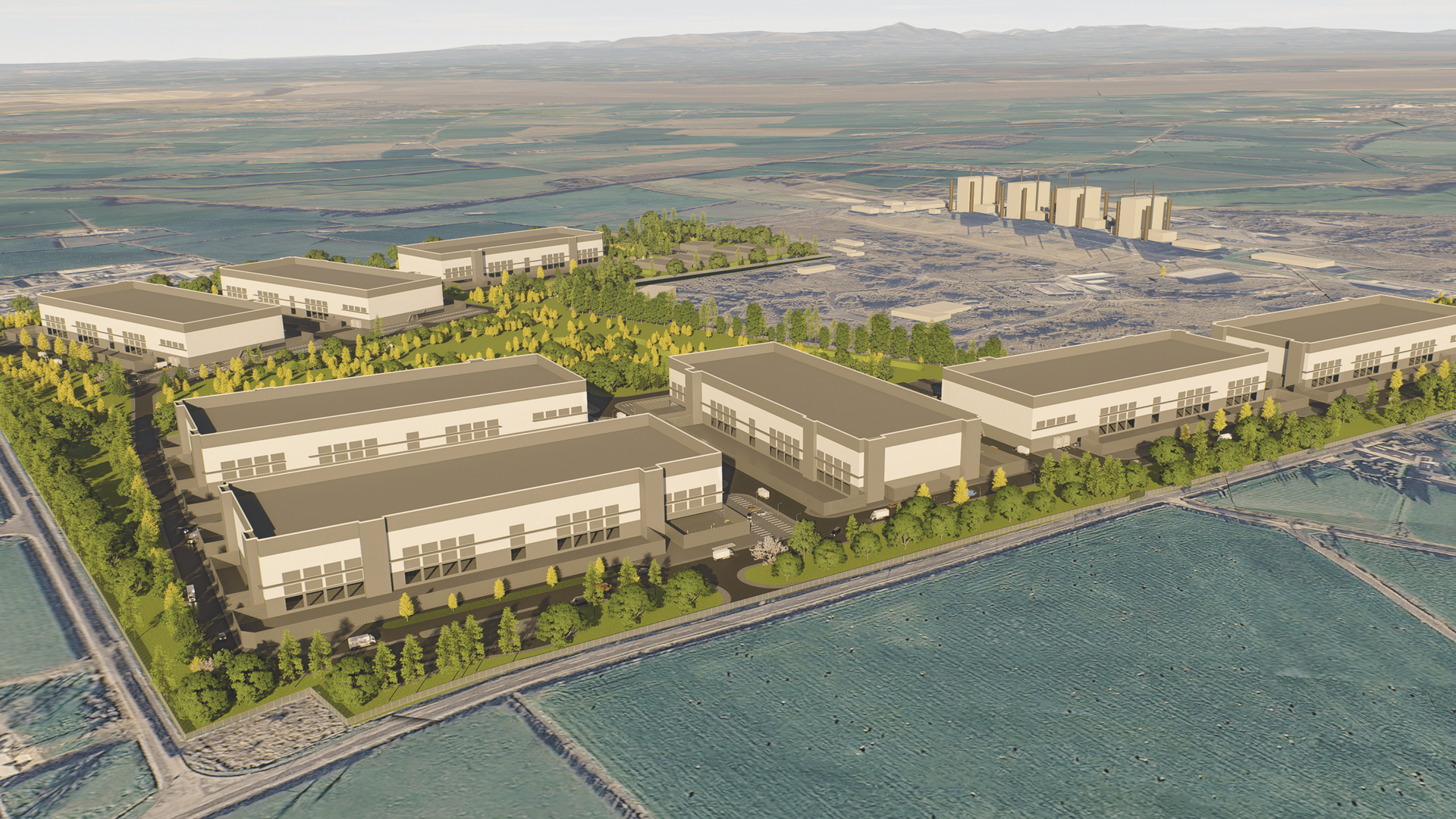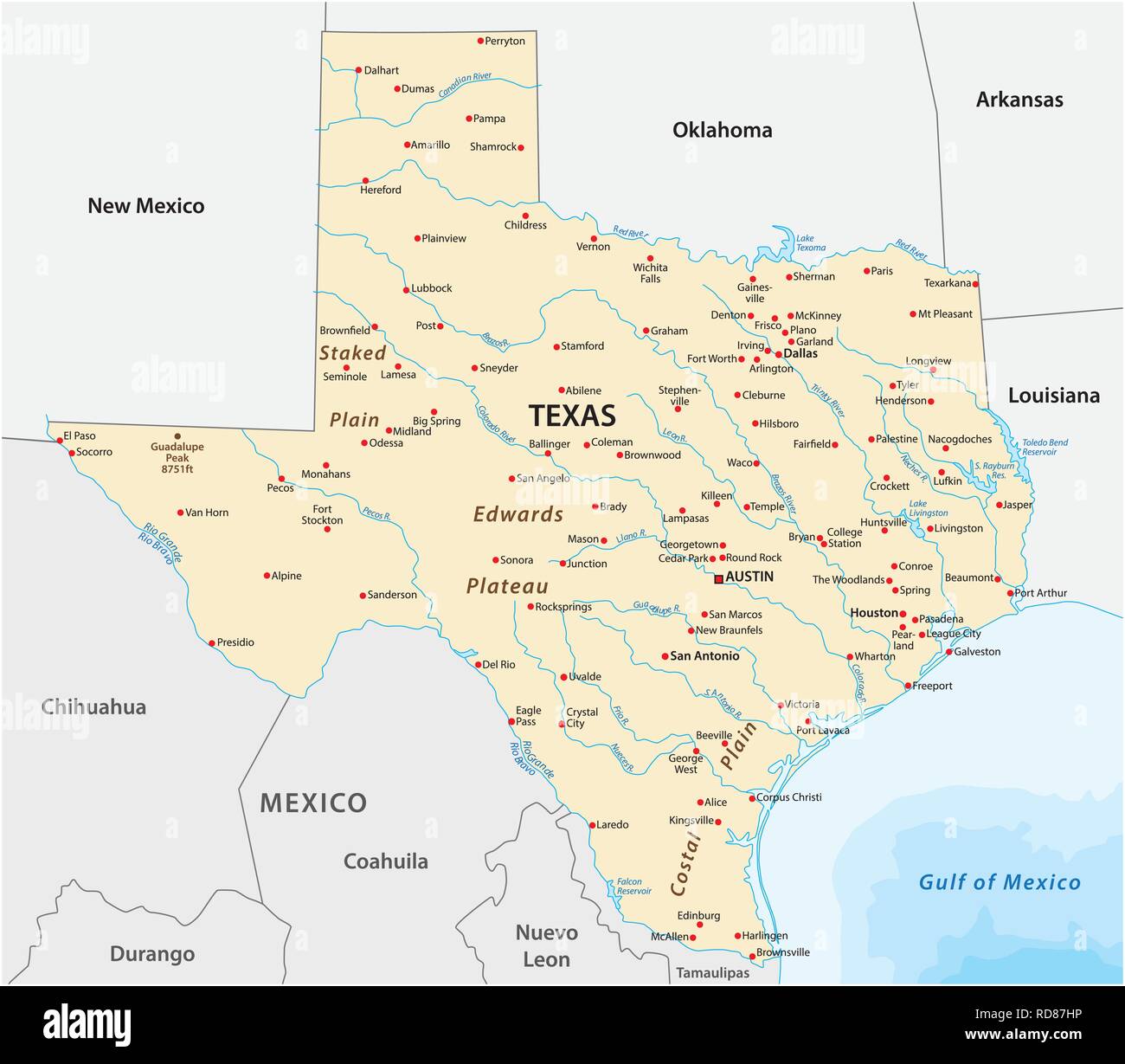
Texas is running out of power, and Governor Greg Abbott finally noticed. If you have been tracking the explosive gold rush of artificial intelligence infrastructure, you know the state turned into a virtual Wild West for massive server farms over the last few years.
That era of unchecked building is hitting a massive wall. Abbott just ordered the Texas Commission on Environmental Quality to halt issuing new permits for data centers, broadening an earlier freeze on grid interconnections. This directive keeps environmental approvals frozen until the Electric Reliability Council of Texas and the Texas Water Development Board finish comprehensive audits on pending facilities.
Data center developers now have to report detailed metrics on electricity consumption, water draw, ownership information, neighborhood impacts, and tax incentives before moving forward. Texans are feeling the squeeze. Local communities are furious about soaring utility bills and strained municipal resources. When over 1,800 projects are trying to tap into an energy grid that already shattered summer demand records, politicians have to respond.
What the Texas Data Center Freeze Actually Means
The state grid operator evaluates hundreds of gigawatts of pending requests, with roughly 90 percent coming directly from data centers. That demand vastly outpaces what the grid can safely handle. Abbott's directive forces these projects to pause until they prove they can pay their own way without shifting infrastructure costs onto ordinary residential ratepayers.
You cannot simply plug a facility requiring the power output of a small city into a local grid without breaking things. The new rules force developers to lay out explicit plans for mitigating noise, traffic, light pollution, and emergency response strains. They also require projects to disclose whether they will drain local aquifers or bring their own water supply for cooling operations.
Transparency is the core issue here. Many local residents found out about multi-billion-dollar computing complexes only after heavy machinery arrived in their backyards. A lack of public notice and zoning controls in rural counties allowed massive developments to slip through regulatory loopholes. Now, developers have to answer to state regulators. Major companies like Meta, Google, Amazon, and various cloud providers are scrambling to prove compliance or watch their timelines collapse.
The Broader Battle Over Power and Water
Texas is not operating in a vacuum. Other states are dealing with identical growing pains as the artificial intelligence boom collides with physical resource limits. New York instituted a year-long pause on large environmental permits for massive computing facilities earlier this summer. Local municipalities across the country are passing emergency ordinances and buffer zone requirements to push server hubs away from residential areas.
The tension in Texas stems from a fundamental conflict. State leaders want to court high-tech industries and keep economic momentum rolling. At the same time, they face intense voter backlash ahead of upcoming elections. Critics argue that these executive pauses are just temporary political theater designed to quiet angry constituents without passing permanent laws. Some state officials are pushing for a dedicated legislative session to establish strict, lasting guardrails on the industry.
If you are tracking infrastructure investments or building within this space, the message is simple. The era of fast-tracked approvals is over. Developers must factor lengthy audit timelines, stringent environmental compliance, and local pushback into every financial model. Infrastructure projects that fail to account for community impact and grid capacity will stall indefinitely.
Plan for heavier scrutiny. Build resilience into your resource planning. The grid cannot take any more surprises.