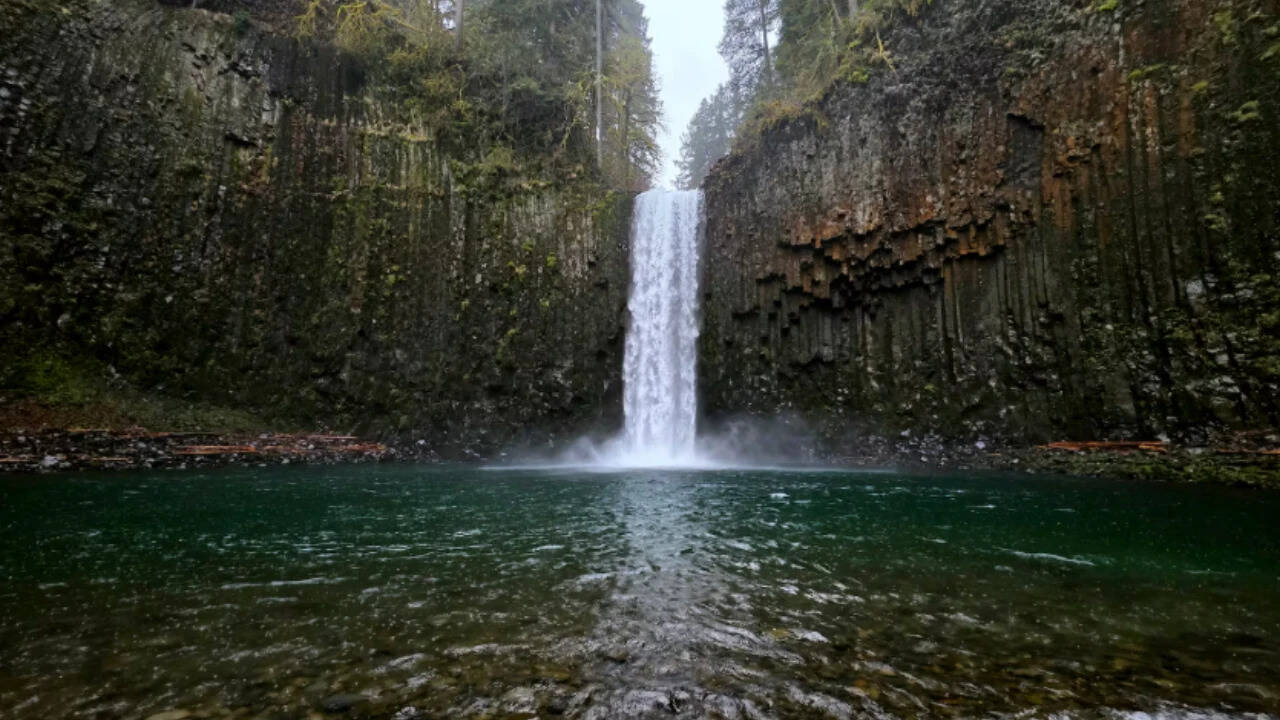
For over a century, one of the most stunning natural wonders in the Pacific Northwest sat quietly behind private gates. You could still hike down to see it, but you were basically trespassing or walking on land that didn't belong to the public. That changed when the Oregon State Parks and Recreation Commission officially approved a two-million-dollar purchase to lock down Abiqua Falls permanently.
If you have ever scrambled down the steep, muddy banks near Scotts Mills to stare up at that towering 92-foot basalt amphitheatre, you know why locals panicked when the property hit the market earlier this year. Private ownership always comes with a ticking clock. A new buyer could have slapped up "No Trespassing" signs overnight, shutting off access to a legendary Oregon landmark.
State intervention stopped that nightmare scenario. But buying a famous waterfall isn't as simple as handing over a check and walking away.
The Backstory of the Abbey Foundation Sale
The Abbey Foundation of Oregon, which connects directly to the Mount Angel Abbey and Seminary, held the deed to Abiqua Falls and 160 surrounding acres for more than a hundred years. When they listed the property in February, outdoor enthusiasts immediately started sweating.
Lawmakers didn't waste time. Bipartisan support mobilized fast to figure out a funding mechanism through a general obligation bond. House Majority Leader Ben Bowman put it bluntly when discussing the deal: future generations deserve the right to stand at the base of that waterfall themselves instead of just reading about it in old hiking books.
The transaction covers 160 acres of land, including unmaintained trails and the dramatic drop where water plunges into a pool surrounded by mossy rocks and giant ferns. The deal is slated to close around the end of 2026, shifting century-old private stewardship over to state hands.
What Public Ownership Actually Means for Visitors
Don't pack your hiking boots expecting a pristine state park tomorrow morning. Right now, the land is rugged, raw, and largely undeveloped.
State Parks Director Lisa Sumption made a crucial point that many casual visitors forget: parks are not just nature sitting there looking pretty. Bringing a newly acquired piece of land up to state park standards takes massive amounts of continuous staff time, ongoing funding, and heavy maintenance.
The current trails are unmaintained and notoriously tricky to navigate. If you've ever tried climbing down the rope-assisted dirt slide after a heavy rain, you know injuries are common. Public ownership means the state will eventually have to address safety, parking, erosion control, and trash management.
Expect changes to how you visit. While the primary goal is keeping the gates open forever, formal management plans usually bring designated parking lots, improved trail engineering, and sometimes regulated crowd control to protect the fragile canyon ecosystem.
Why Abiqua Falls Stands Out From Other Oregon Hikes
Oregon is drowning in waterfalls, so why did a two-million-dollar price tag for just one drop spark such intense legislative urgency?
It comes down to architecture. Abiqua Falls isn't just a trickle over a cliff. It's a massive, horseshoe-shaped basalt canyon formed by ancient volcanic activity, wrapping around a deep pool with the waterfall crashing down the center. Standing underneath that overhang feels like stepping onto a movie set.
For decades, the site existed in a grey area of tolerated public use. The landowners didn't aggressively lock people out, but visitors were always one bad actor away from ruining it for everyone else. Litter, parking congestion on rural logging roads, and trail erosion had already started taking a toll.
State management brings accountability. Instead of relying on the good graces of a private foundation or worrying about a developer building a private estate right on the canyon rim, the landscape now belongs to the public ledger.
Plan your future trips accordingly. Keep an eye on the Oregon State Parks announcements for trail closure updates as they start mapping out infrastructure improvements later this year. The waterfall isn't going anywhere, but how you get down to it is about to change completely.