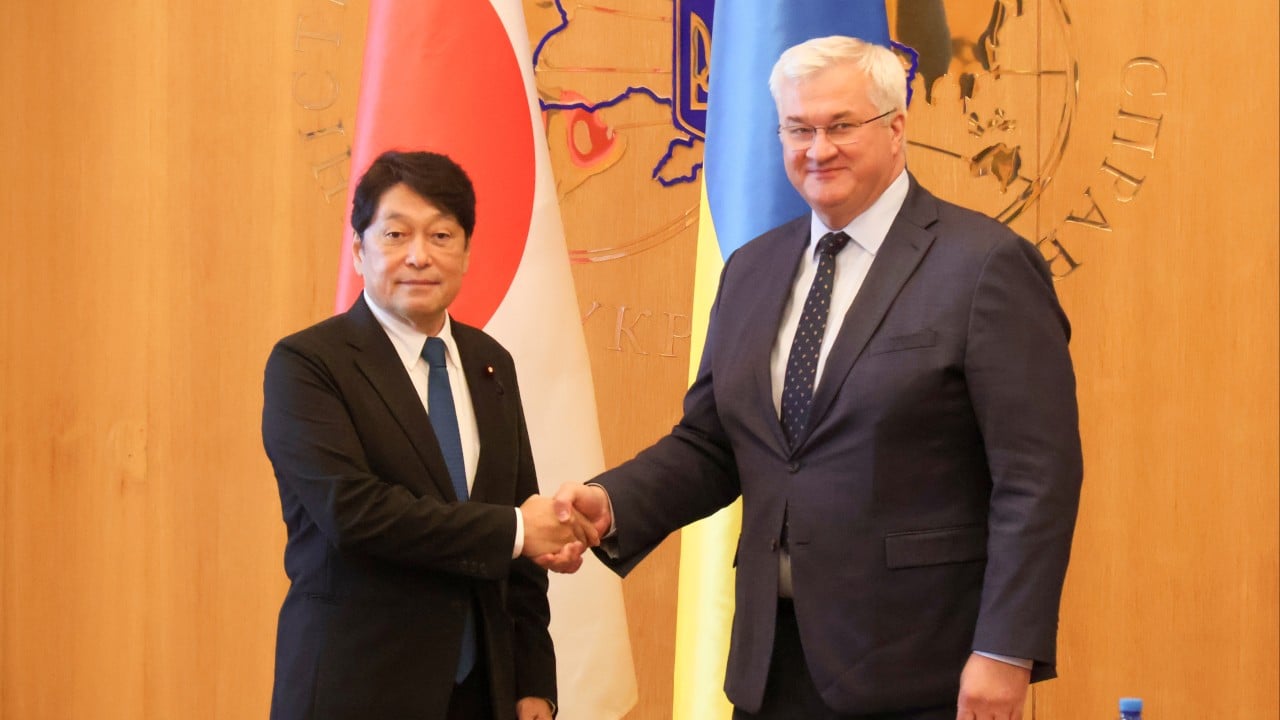
Modern warfare looks nothing like the military textbooks written twenty years ago. Drones cost less than a used car, yet they easily neutralize multi-million dollar armored vehicles. Trenches stretch for miles under constant thermal surveillance. Electronic jamming alters the trajectory of smart munitions before they hit their targets. Tokyo is watching this transformation very closely.
If you think East Asian security is only about massive naval fleets and stealth fighter jets, you are missing the entire plot. The Japanese Self-Defense Forces are undergoing a radical reality check. They are realizing that high-end hardware means nothing if you cannot survive cheap aerial threats or adapt to electronic warfare in real time.
Japan is looking to Ukraine's front lines to overhaul its defenses because old doctrines are dying in the mud of Eastern Europe.
The Drone Revolution Hits Island Nations
Look at the sky above any modern battlefield. You will see quadcopters dropping grenades and fiber-optic drones dodging signal jammers. Japan's military planners traditionally obsessed over blue-water navies and air superiority. Those assets remain vital, but they have a massive blind spot.
What happens when an island nation faces swarms of inexpensive, expendable aerial systems?
Japan cannot afford to fire Patriot missiles at cheap commercial drones. The math simply does not work. You run out of interceptors within hours. Ukraine’s adaptation strategy teaches a different lesson. Kyiv learned to mix high-tech air defense with mobile gun teams, acoustic sensors, and low-cost electronic countermeasures.
Tokyo wants this scrappy playbook. Japanese defense officials are studying how Ukrainian forces rapidly prototype counter-drone tech and deploy it directly to the troops. Bureaucracy usually kills military procurement. The war changed that pacing out of pure survival necessity, and Tokyo wants to mimic that speed.
Rethinking Logistics Under Constant Surveillance
Logistics used to be boring. You built a massive supply depot fifty miles behind the front line, packed it with spare parts, and trucked things forward. That model is completely dead.
Sensors are everywhere now. If a convoy moves, satellites spot it. If a warehouse lights up on thermal imaging, artillery or missiles turn it into a crater. Ukraine's logicians had to decentralize everything. They operate out of basements, civilian vehicles, and hidden woodland caches.
Japan's geography presents unique challenges for logistics. Defending a chain of remote southwestern islands means supply lines will be exposed to intense hostile surveillance and long-range fire.
Tokyo is analyzing how Ukrainian units maintain operational tempo when their main supply arteries are cut or compromised. The answers involve heavy reliance on commercial tech, decentralized maintenance workshops, and civilian partnerships. It is messy, but it works.
The Bitter Reality of Electronic Warfare
Electronic warfare used to be a niche specialty handled by specialized aircraft. Today, every single platoon on the front line in Ukraine deals with radio frequency interference, GPS spoofing, and drone control links being severed.
Japan's military hardware is undeniably sophisticated. Much of it is built domestically to incredibly high technical standards. However, much of that gear was designed during an era when GPS and radio communications were assumed to be safe.
Ukraine's experience shows that communication links fail almost immediately under near-peer electronic attack.
Tokyo is scrambling to harden its communications and weapon guidance systems against aggressive signal jamming. They are buying and analyzing captured systems, interviewing foreign volunteers, and upgrading their electromagnetic defense protocols. They want to ensure that if a conflict breaks out, Japanese units don't suddenly find their radios and targeting computers turned into expensive paperweights.
Medical Evacuation in a High-Threat Environment
Getting wounded soldiers off the battlefield is another area where modern conflict has rewritten the rules. Traditional medevac helicopters are sitting ducks in skies controlled by drones and advanced air defenses.
Ukrainian medics rely on heavily modified civilian vehicles, robotic ground platforms, and frontline stabilization points. They treat casualties closer to the fighting because the journey to a proper hospital takes too long and carries too much risk.
Japan faces a severe demographic crunch. Its population is aging rapidly, and the military struggles to recruit personnel. Preserving the lives of trained soldiers is not just a humanitarian priority; it is an existential necessity. If a soldier gets wounded on a remote island, they need a high chance of survival despite overwhelming hostile control of the airspace.
Tokyo is revamping its combat medical training and evacuation doctrines based on these brutal frontline lessons. They are looking at automated evacuation carts and decentralized trauma care that mirrors what has been forged in the trenches of Donetsk and Zaporizhzhia.
What This Means for Regional Deterrence
Some critics argue that studying a land war in Eastern Europe is irrelevant for an island nation focused on maritime defense. That perspective is short-sighted. Modern conflict bleeds across domains. A naval blockade in the Pacific will feature the exact same drone swarms, cyber attacks, and electronic interference seen in European fields.
By observing the Ukrainian conflict, Japan is buying time and wisdom. They are cutting through decades of peacetime military theory and replacing it with blood-tested realities.
Keep an eye on Japan's upcoming defense procurement budgets and joint exercises. You will see fewer vanity projects and a much heavier emphasis on electronic resilience, cheap mass, and decentralized survival tactics. The lessons learned in eastern European fields are shaping the security architecture of East Asia right now.
Start paying attention to how smaller, adaptable technologies disrupt massive defense budgets. Adapt your own understanding of modern security before the next crisis forces the issue.