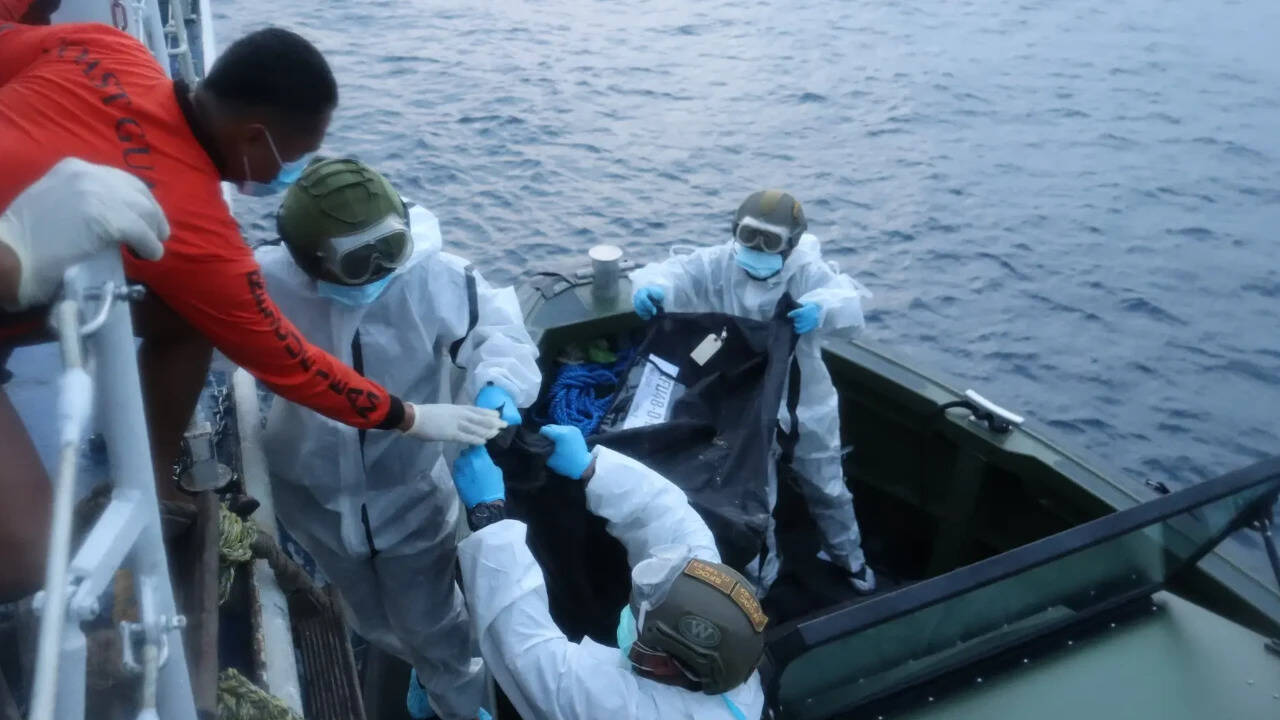
Seventy-six bodies. Thirteen people still missing. Another maritime tragedy in the Philippines has exposed an old, painful reality about sea travel safety in the archipelago.
When a passenger ferry traveling from Manila to Palawan caught fire mid-journey, it didn't just burn a vessel—it incinerated lives in the economy accommodation section. Rescuers pulling charred remains from twisted steel frames face a grim forensic reality. Why do these disasters keep recurring in a nation defined by its islands? Let's break down the hard facts.
The Grim Toll and the Search Operations
The numbers keep climbing. Philippine rescue teams recovered dozens of additional remains, pushing the death toll to 76.
Firefighters managed to board the burnt-out hull after days of intense heat kept them away. Inside, rows of steel bed frames were warped completely out of shape. Thick layers of ash blanketed everything.
Temporary tents popped up at a port in Coron town. Here, forensic teams process the dead recovered from the water and the charred wreckage. Identification takes time when bodies are severely burned. Families wait anxiously for DNA results and personal effects.
What Triggered the Disaster?
According to initial statements from the Maritime Industry Authority, survivor accounts point to a terrifying spark. Passengers reported hearing two distinct explosions inside the vessel right before the flames erupted.
Ferry fires move fast. Once wood, plastic furnishings, and textiles catch, toxic smoke fills closed spaces within minutes. Passengers trapped in crowded economy sections stand little chance if evacuation routes get blocked or alarms fail.
The Broader Safety Crisis on the Water
The Philippines is an island nation. Millions rely on ferries every single day to move between islands. But safety standards have faced intense scrutiny for decades.
Overcrowding, lax enforcement of maritime regulations, and aging vessels plague the industry. Officials promise crackdowns after every major accident, yet disasters keep happening.
- Overloading: Cargo and passenger counts often exceed legal limits.
- Maintenance Gaps: Older vessels struggle under heavy commercial demands.
- Emergency Preparedness: Crew training and rapid evacuation drills vary wildly between operators.
Change requires accountability. Until maritime authorities enforce strict safety audits and strip licenses from negligent operators, passengers will keep rolling the dice every time they board a ship.
Check ticket operators, demand better regulatory oversight, and hold local agencies accountable.