Exiled leaders rarely stay quiet for long. They brood, they plot, and eventually, they talk.
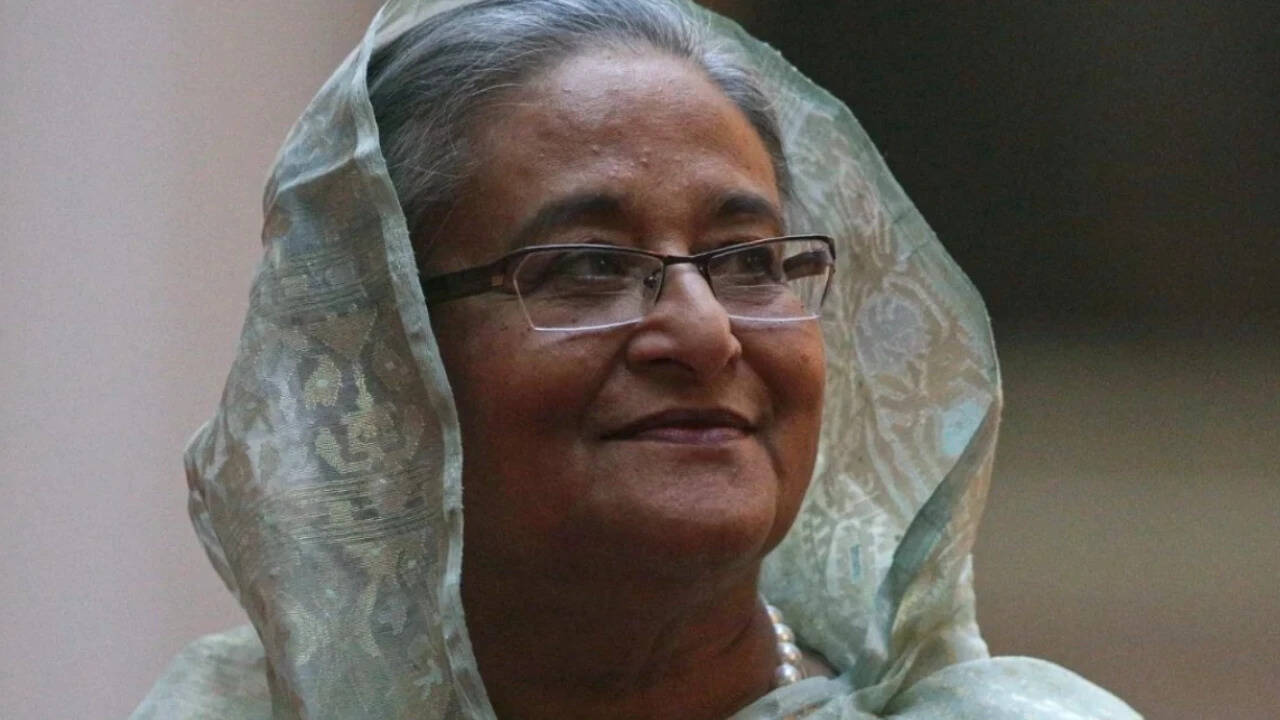
Sheikh Hasina is no exception. Sitting far from Dhaka, the former prime minister recently dialed into a London seminar hosted by the Global Center for Democratic Governance, firing a clear warning shot across the bow of Bangladesh’s current political establishment. She wants democratic rights back. She wants the rule of law restored. And most importantly, she claims she is coming back.
If you are trying to make sense of South Asia right now, you cannot ignore this move. It is a high-stakes gambit from a leader facing the death penalty at home, operating from exile in New Delhi, and insisting that her political story is far from over.
The Exiled Leader Speaks From Afar
For over two years, Hasina has watched her homeland from across the border. Her sudden exit following massive student-led protests completely flipped the script of Bangladeshi politics. Yet, distance hasn't quieted her base or her ambitions.
During her virtual address at the Godfrey Mitchell Room in One Great George Street, she didn't mince words. She painted a picture of a nation gripped by a profound crisis of governance, security, and public trust. She pointed straight at a creeping wave of militancy and violent extremism, arguing that the security apparatus built over decades is unraveling.
Critics call it posturing. Supporters call it a lifeline.
When a leader who governed for fifteen consecutive years warns that the country's economic emancipation and basic liberties are evaporating, people listen. Whether they like her or loathe her, her shadow still stretches long across every administrative desk in Dhaka.
The December Return Promise
The real headline wasn't just the rhetoric on democracy. It was the timeline.
Hasina made a direct commitment to her followers. She announced that she will share the intricate details of her plan to return to Bangladesh this coming December.
Think about the weight of that statement. Returning home when you face severe legal charges and a death sentence is not a casual vacation. It is an aggressive political chess move. It forces the current interim authorities and opposing factions to scramble. Does she have underground networks still loyal to the Awami League? Are international pressure points shifting? Or is this psychological warfare designed to keep her rivals permanently off balance?
History shows that exiled leaders thrive on uncertainty. By tossing a specific month into the public sphere, Hasina has effectively set a ticking clock.
Navigating the Credibility Trap
You have to look at the optics here. The Global Center for Democratic Governance event featured familiar faces—former officials, international parliamentarians like UK MP Bob Blackman, and her own son, Sajeeb Wazed Joy.
Skeptics argue that rallying sympathetic voices abroad does little to change the grim reality on the streets of Dhaka, where public anger toward her administration's final months remains raw. Thousands remember the brutal crackdown on protests. They remember the internet blackouts, the curfews, and the heavy-handed policing.
Hasina’s challenge isn’t just convincing international audiences in London or New Delhi. Her monumental task is convincing a cynical populace that her return equals stability rather than a fresh cycle of civil unrest.
What Comes Next for Bangladesh
The stakes couldn't be higher. Bangladesh sits at a precarious economic and geopolitical crossroads. Foreign investors are jittery. Regional powers like India and China are watching how security pacts and border stability evolve.
If Hasina actually attempts a physical comeback in December, it could trigger unprecedented political volatility. If she stays put and coordinates from afar, she risks looking like a general commanding an army that has already lost its ground.
Democracy requires more than fiery speeches from overseas. It requires institutional grit, independent courts, and a willingness to accept defeat at the ballot box. Whether Hasina’s sudden push for the rule of law is a genuine reckoning or a desperate bid for political resurrection remains the defining question for the region.
Keep your eyes on December. The game is changing fast.