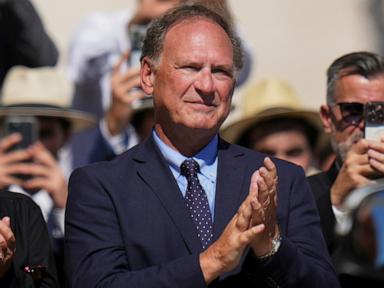
Supreme Court ethics guidelines just faced another real-world test. Justice Samuel Alito stepped aside from a high-stakes climate lawsuit on Monday, reversing his earlier choice to stay on the bench for the dispute.
The case, Suncor Energy v. Boulder County, carries billions of dollars in potential liability. Local governments across the country are suing fossil fuel companies in state courts, demanding compensation for climate change damages. Energy giants argue these massive claims belong in federal court or shouldn't exist at all.
For weeks, advocacy groups like Consumer Watchdog pointed out a glaring conflict. Alito's financial disclosures showed holdings in oil companies such as ConocoPhillips and Phillips 66. While he doesn't own direct shares in the named defendants like ExxonMobil or Suncor Energy, critics argued a broad industry win would indirectly boost his portfolio.
Pressure mounted quickly. Under the Supreme Court's recently adopted code of conduct, justices are told to step aside if they or their families have a financial interest in the subject matter or controversy. Initially, court representatives insisted Alito was in the clear because he didn't directly hold stock in the specific companies litigating the appeal.
Then came Monday's abrupt reversal. Alito pulled out of the case with zero public explanation, leaving the remaining justices to hash it out.
The Stakes Behind Suncor v. Boulder County
Local communities want answers and they want money. Boulder, Colorado, along with a growing list of states and municipalities, filed lawsuits alleging fossil fuel producers actively deceived the public about climate risks.
If these local governments win, energy corporations could face staggering financial payouts. That is why the stakes stretch far beyond Colorado. Dozens of parallel lawsuits are waiting in the wings. A definitive ruling from the high court could crush these state-level accountability efforts entirely or greenlight billions in liability.
Energy companies, backed by the administration, argue that global climate change cannot be litigated piecemeal in local courtrooms. They claim federal law preempts state statutes.
Why Financial Disclosures Matter Now More Than Ever
Public trust in the Supreme Court sits on shaky ground. Recent years brought a wave of investigative reports exposing luxury travel, real estate deals, and stock holdings among various justices.
Congress and watchdog groups have hammered the court over its self-policing model. The adoption of a formal ethics code in late 2023 was supposed to calm public anger. Yet, the code lacks an independent enforcement mechanism. Justices decide for themselves when a conflict crosses the line.
Alito's initial refusal to recuse baffled ethics experts. Holding investments in major oil firms while deciding whether the broader petroleum industry can be sued for climate damages looks messy, regardless of technical legal distinctions between companies.
What Happens Next in the Courtroom
Without Alito, the Supreme Court risks a 4-4 tie, which would leave the Colorado Supreme Court's decision intact and let Boulder's lawsuit move forward. Even so, a split decision would fail to set a nationwide precedent, leaving the broader legal war over climate accountability unresolved for now.
Transparency isn't optional anymore. As public scrutiny intensifies, justices find it harder to ignore the optics of their personal portfolios intersecting with landmark dockets.
Check your own investment portfolios for direct conflicts of interest before taking public or professional stances on regulated industries, and demand clear, enforceable accountability standards from public officials at every level of governance.