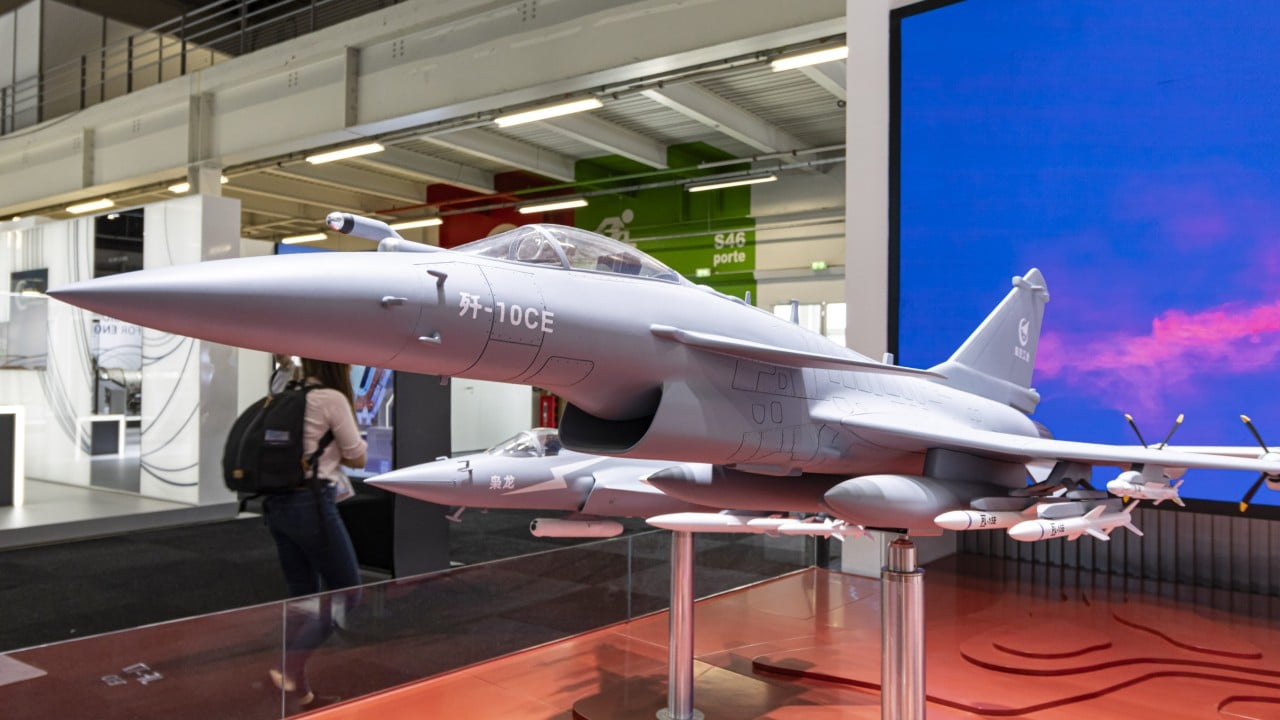
Getting a few nations to sign defense contracts doesn't mean you own the room. Headlines love to hype every single military export deal coming out of Beijing. Pakistan fields them. Uzbekistan confirms their induction. Bangladesh floats procurement paperwork. Yet, looking past the press releases reveals a very different truth about the J-10CE fighter jet.
It attracts niche buyers. It doesn't dominate global aviation procurement.
Why do defense analysts get this distinction wrong? They confuse individual sales with structural market penetration. Winning a handful of contracts in specific geopolitical pockets is survival and opportunistic diplomacy. Building an actual, sustainable defense market means displacing deeply entrenched Western and Russian competitors in head-to-head, open tenders.
That hasn't happened yet.
The Real Story Behind the Export Wins
Look closely at where the J-10CE lands. Pakistan made sense due to long-standing defense ties and strategic requirements to counter regional rivals. Uzbekistan's recent confirmation that the aircraft entered its air force inventory points to Central Asian modernization efforts. Bangladesh considering the platform fits a budget-conscious military looking to upgrade aging fleets.
These are tactical victories. They solve immediate air defense gaps for nations facing Western arms embargoes, high price tags, or complicated geopolitical strings attached to US and European hardware.
Buying Chinese military hardware remains an exercise in pragmatism for these capitals. It fills a void. But filling a void isn't the same as winning an open commercial competition.
What Keeps the J-10CE Out of the Mainstream Market
Several hurdles block Chinese jets from achieving true market dominance.
First, military aviation isn't just about the physical aircraft. It's an ecosystem. When a country buys an F-16 or a Rafale, they buy decades of integrated logistics, simulation software, weapons compatibility, and standardized NATO or Western doctrine. Shifting an entire air force to a Chinese ecosystem requires a massive operational overhaul that most nations aren't willing to risk unless they have no other choice.
Second, engine technology historically posed a hurdle. While domestic manufacturing has improved rapidly with indigenous powerplants, foreign buyers often scrutinize lifecycle costs, overhaul intervals, and engine reliability compared to mature Western or Russian alternatives.
Third, geopolitical alignment plays a massive role. Nations buying military jets are locking their security architecture in for thirty years. Many developing economies prefer to hedge their bets, maintaining diplomatic breathing room rather than tying their primary defense shield entirely to Beijing.
What Happens Next
Beijing will keep securing niche export customers. Nations frozen out of traditional Western supply chains or seeking cost-effective multirole fighters will continue looking toward the Chengdu Aircraft Corporation.
Don't mistake these isolated contracts for a sweeping transformation of global defense trade. Until the J-10CE starts winning open, unconstrained competitions against top-tier Western fighters where buyers have total freedom of choice, it remains an alternative option—not a market leader.
Evaluate defense exports by looking past the initial delivery ceremony. Watch whether buyers come back for second batches, or if these deals remain one-off workarounds.