You smell the burning coal legacy before you see the server racks. Pennsylvania is trading its industrial past for a digital future, but local communities are footing the bill with their lungs.
Tech giants want cheap land and accessible fossil fuel infrastructure. They're flocking to Pennsylvania because the state sits on a goldmine of fracked gas and legacy power grids. But when massive data center clusters and co-located gas-fired plants cram into localized areas, local residents don't just hear the hum of cooling fans. They breathe the fallout. For another look, consider: this related article.
Lackawanna County commissioners recently voted to fund a $165,000 cumulative air quality and public health impact study with EmPower Analytics Group LLC. Why? Because local leaders got tired of tech developers flashing tax revenue projections while ignoring the smoke. When multiple facilities cluster together, emissions compound. That changes the math on public health fast.
The Clustering Trap
Every tech company pitches their data center as an isolated island of innovation. It's cleaner than a coal plant, they say. It brings jobs. It builds the digital infrastructure of tomorrow. Related coverage on this matter has been published by Gizmodo.
Except they never build just one.
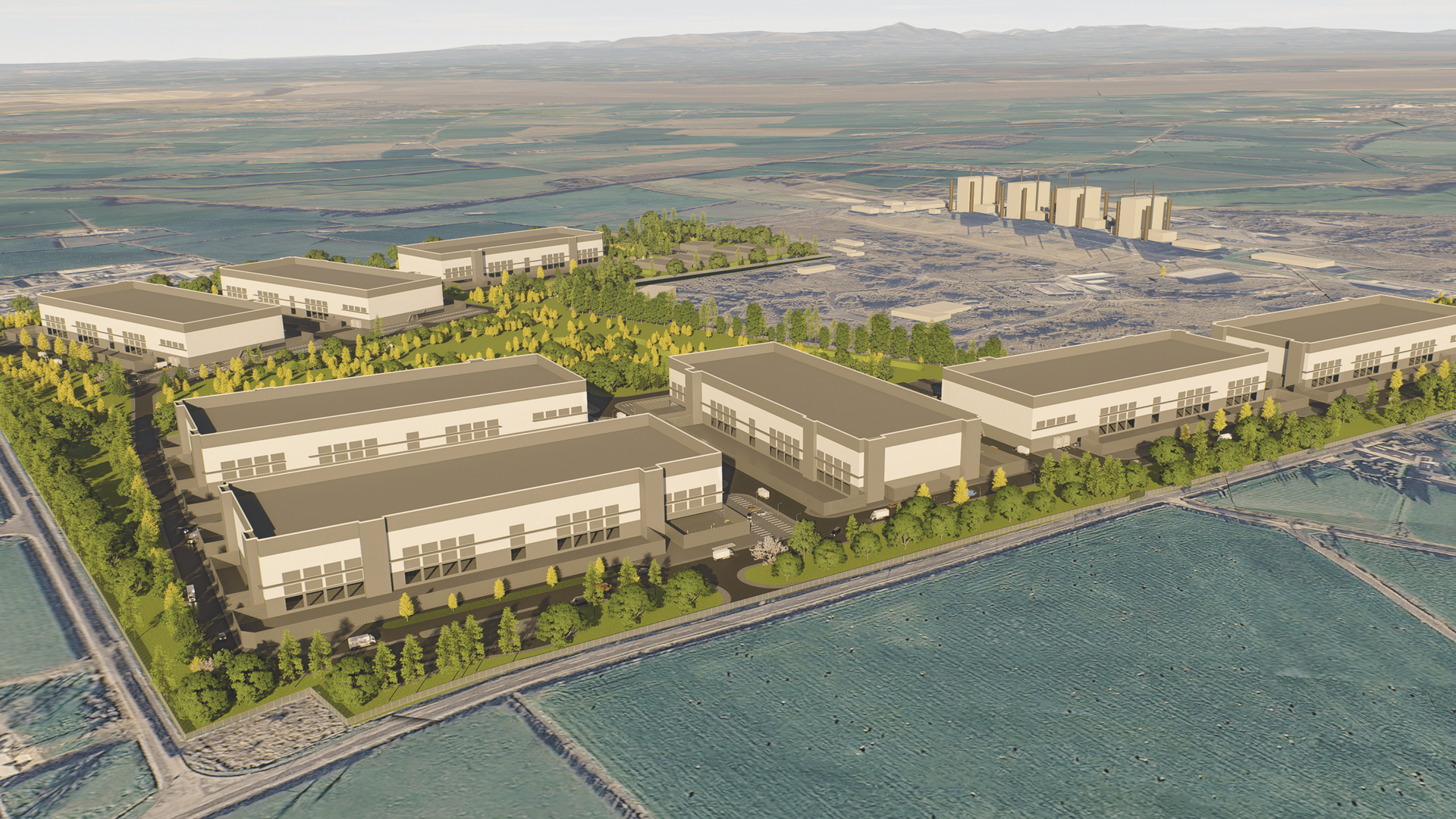
When you bundle data centers near existing pipeline networks and retired generation stations, you create a heavy industrial corridor disguised as office parks. A single facility might meet state air permit thresholds on paper. Put four or five in the same county, hook them up to new gas turbines, and you get an entirely different baseline of cumulative pollution.
Residents in Northeast Pennsylvania and communities like Upper Burrell know this script by heart. They've lived through the boom-and-bust cycles of coal, timber, and oil. They watched corporations extract value and leave behind the environmental wreckage. Now, they're watching artificial intelligence infrastructure repeat the exact same pattern.
Why Local Studies Are Changing the Fight
For years, county planners evaluated data center proposals on a case-by-case vacuum. They looked at single zoning applications. They measured traffic flow for one parcel. They calculated water usage and noise levels for a single building site.
That system is broken.
The new push for cumulative health impact assessments changes everything. Instead of asking whether one building pollutes too much, communities are demanding to know what happens when regional air basins absorb the combined exhaust of multiple gas-fired generation plants built to feed server demand.
The study ordered in Lackawanna County will compile an inventory of proposed facilities, estimate total air pollution, model how those emissions disperse across neighborhoods, and isolate vulnerable demographics. That's real accountability. It replaces corporate marketing talking points with hard atmospheric science.
The Grid and Gas Conundrum
You can't talk about data center clusters without talking about electricity. AI models require staggering amounts of constant power. Wind and solar alone aren't cutting it for tech companies demanding 24/7 reliability.
So what's the backup plan? Fracked natural gas.
Pennsylvania policymakers face intense pressure. On one side, industry groups push roadmaps to attract tech investment with cheap gas and fast-tracked permits. On the other side, local residents look at rising utility bills and air quality warnings. When new gas plants fire up locally just to keep server farms cool, local ratepayers shoulder the grid strain while tech corporations reap the computational profits.
It's a raw deal. You get the emissions, the grid congestion, and the noise pollution, while the actual data processing happens thousands of miles away for users who never smell a smokestack.
What Communities Must Do Now
If your town is facing a data center proposal, stop waiting for state regulators to save you. They won't. You have to push back with specific demands before the zoning boards sign off.
First, demand a cumulative regional study. Refuse to review applications in isolation. If three more tech companies are looking at neighboring parcels, the board needs to see the combined air quality impact.
Second, force developers to prove where their power comes from. Make them show signed contracts for clean generation instead of assuming local gas plants will quietly expand to absorb the load.
Third, establish strict decibel limits and baseline noise monitoring. Data center cooling fans create a constant, low-frequency hum that destroys sleep quality and wrecks community well-being over time.
Stop accepting vague promises of economic revival. Real progress doesn't require choking your own backyard. Get the data, force the studies, and make them prove their safety before breaking ground.