Space travel is rarely straightforward, but every once in a while, a mission redefines what is possible. NASA astronaut Jessica Watkins just shattered records by commanding the fastest crewed US flight to the International Space Station, while simultaneously making history as the first Black woman to lead an orbital crew.
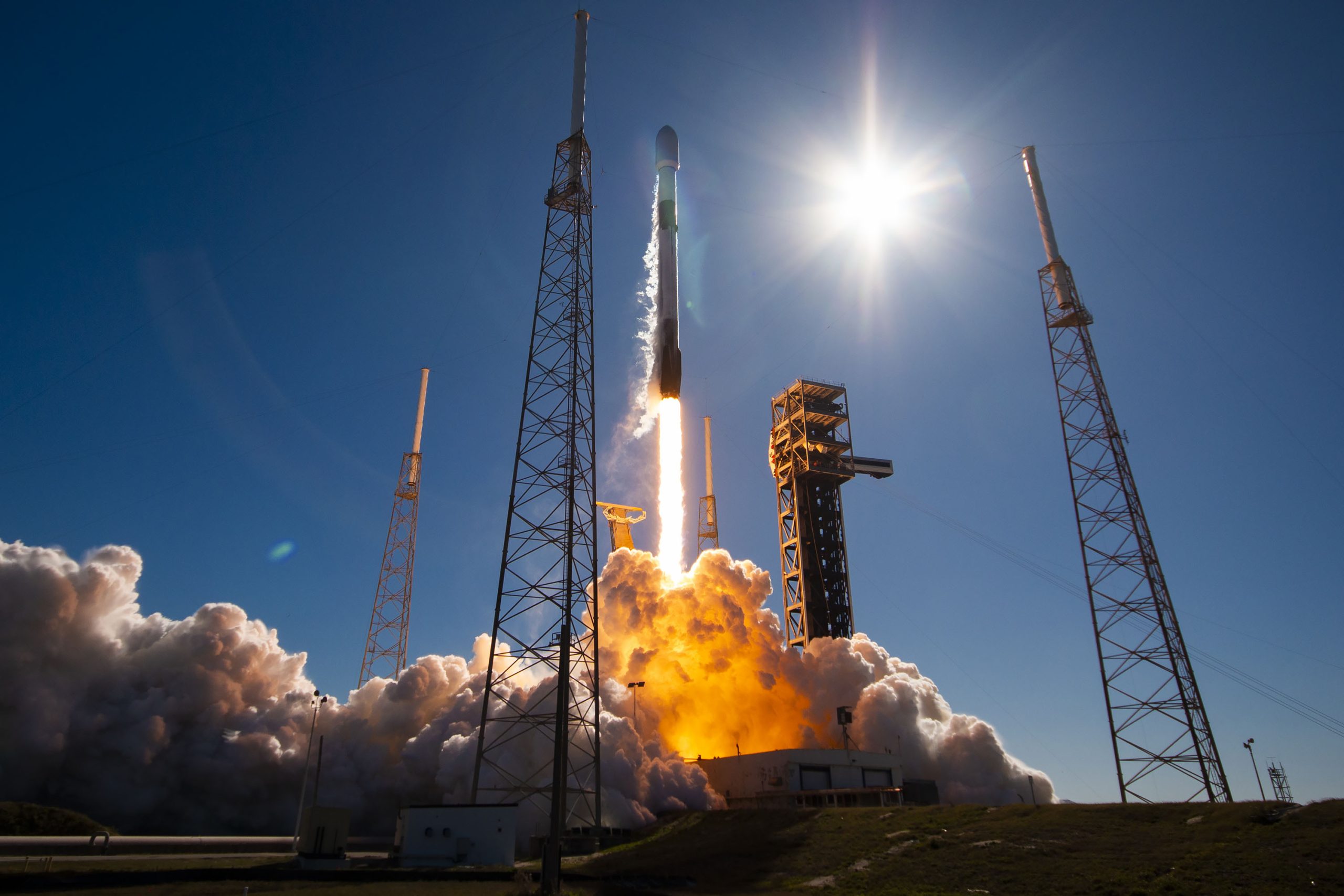
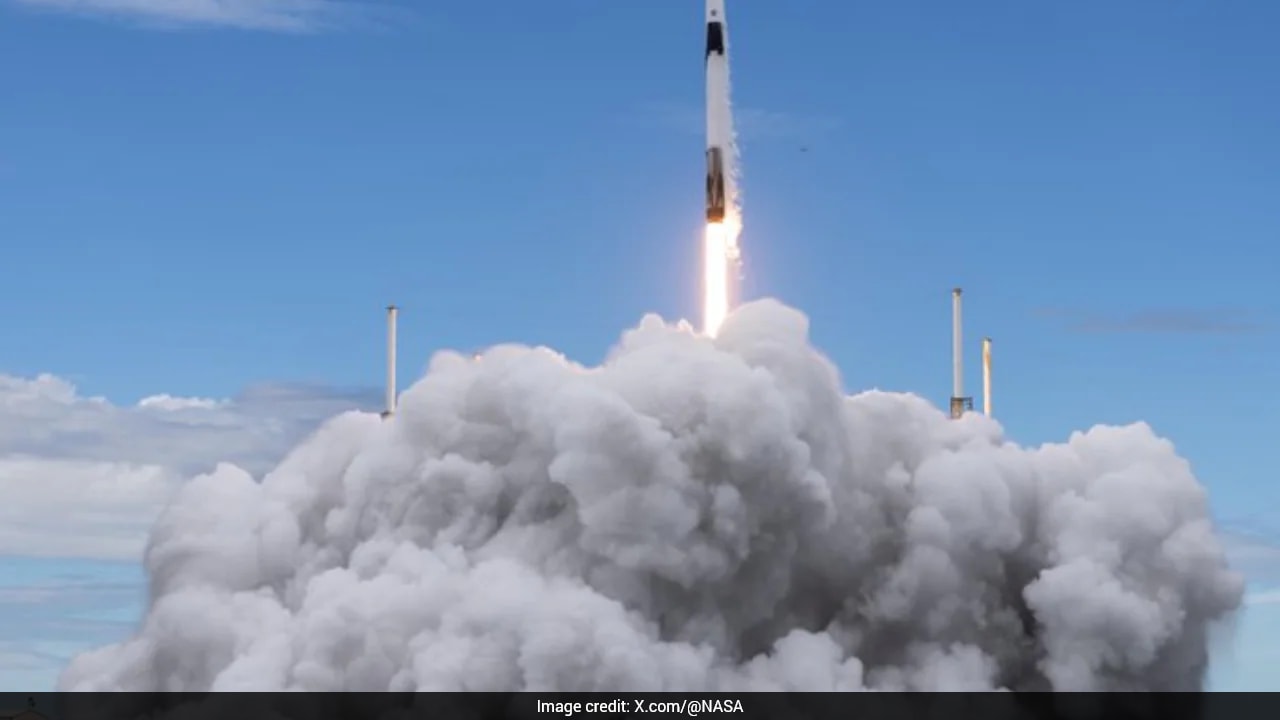
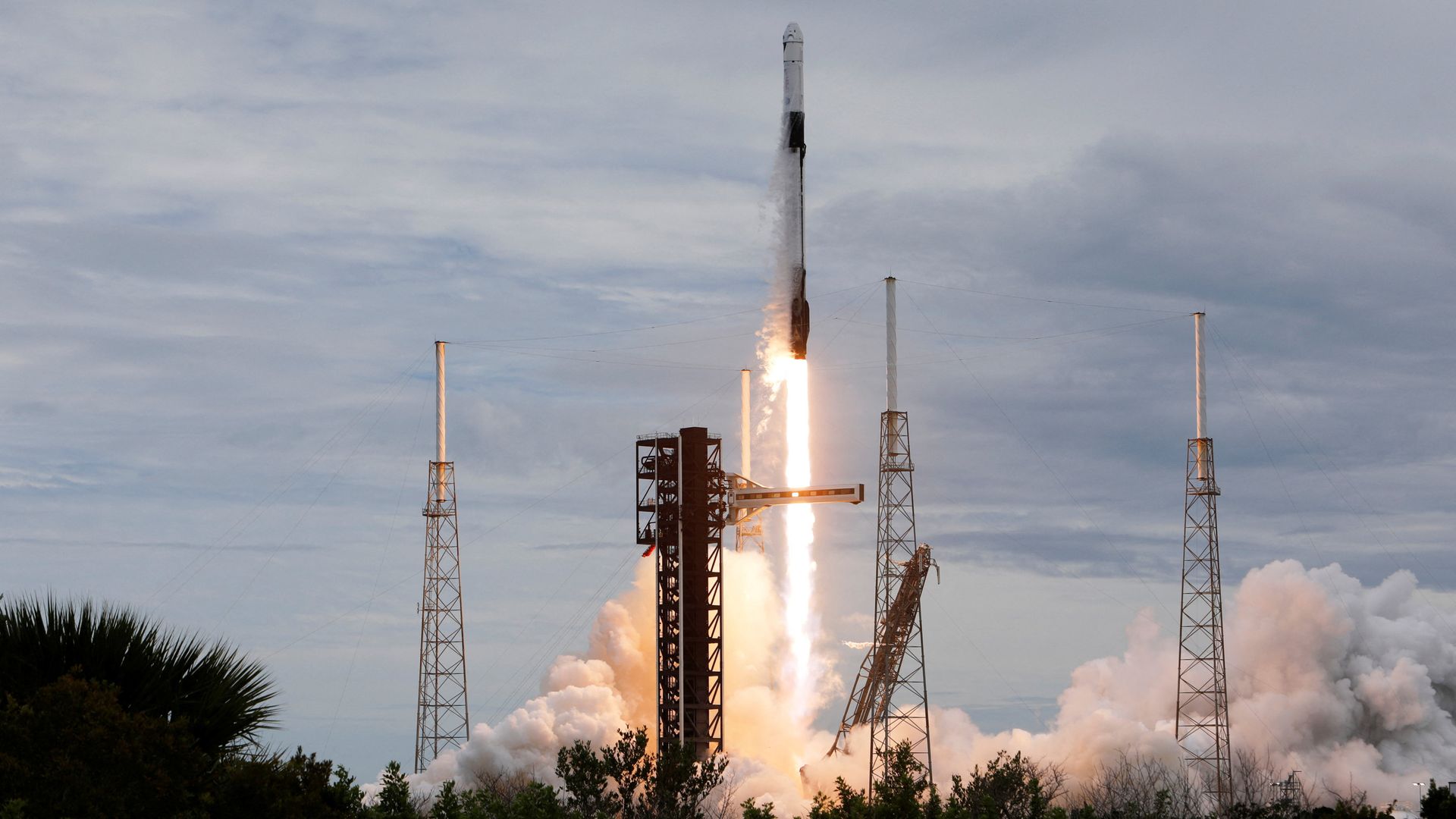
If you tracked the countdown, you know this launch faced real hurdles. A three-week delay to repair a leaking fuel system on the Dragon capsule kept engineers on edge. Thick clouds hung over Cape Canaveral on launch day, threatening yet another postponement. But when the weather cleared, the Falcon 9 rocket roared to life, delivering an eight-hour express transit that beat all previous US operational benchmarks.
The Record-Breaking Journey to Orbit
Speed in orbital mechanics isn't just about raw thrust. It depends heavily on orbital geometry—how the space station's position aligns with the launch site at the precise second of liftoff. For Crew-13, everything clicked.
The flight took just eight hours from liftoff to docking. For comparison, many standard crewed rotations to the orbiting laboratory take significantly longer, sometimes stretching past twenty-four hours depending on phasing maneuvers. Watkins and her crew—consisting of NASA's Luke Delaney, Canada's Joshua Kutryk, and Russia's Sergey Teteryatnikov—pulled off a masterclass in orbital synchronization.
"Thanks for an amazing ride," Watkins radioed back to mission control after the capsule separated from the second stage. It's an understatement for a trip that hurtled them toward the station at roughly 17,500 miles per hour.
Why This Crew Matters Beyond the Numbers
While the speed record grabs headlines, the human element of Crew-13 carries immense weight. Jessica Watkins stepping into the commander seat marks a historic milestone as the first Black woman to lead a crew into space orbit.
Representation in aerospace has evolved slowly over decades. Seeing a Black woman command a complex, multi-national crew shifts the paradigm for future generations watching from classrooms on Earth. Space exploration is moving past old limitations, proving that leadership in high-stakes environments belongs to those with the right skills, grit, and operational expertise.
The mission patch also leans into history with a clever nod. Embracing their Crew-13 designation, the astronauts paid intentional tribute to Apollo 13. They even rolled out to the Cape Canaveral launch pad in black Teslas fitted with license plates reading "Lucky 13," leaning hard into the superstition surrounding a number that once spelled near-disaster for NASA.
What Lies Ahead for the Crew-13 Team
The journey doesn't end at docking. Watkins, Delaney, Kutryk, and Teteryatnikov are now stepping onto the ISS for a grueling six-month science expedition. They'll manage hundreds of microgravity experiments, maintain station hardware, and adapt to the physical toll of long-duration spaceflight.
For crewmates like Joshua Kutryk, the mission brings personal milestones too—including a child expected to be born while he's hundreds of miles above Earth. Balancing family life with the intense physical demands of orbital research requires a unique kind of mental resilience.
Spaceflight continues to shrink our world while expanding our reach. Keep your eyes on the data coming back from this station over the next six months; the science they conduct will lay the groundwork for humanity's next giant leaps.