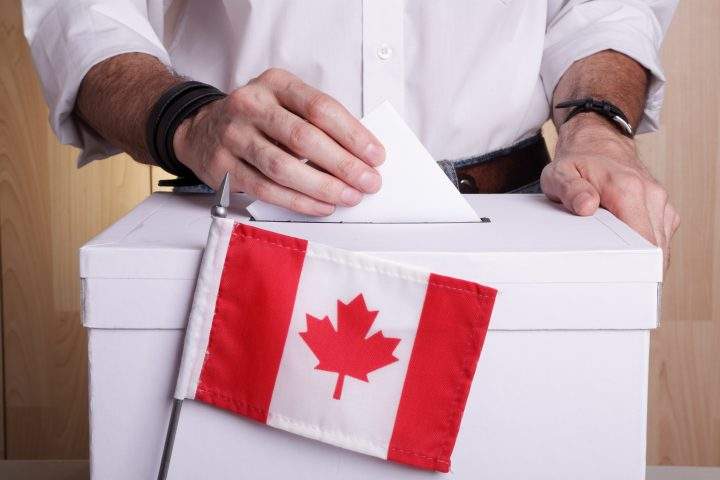
If you think young adults in Canada are just sitting around scrolling on their phones without caring about the country, you're missing the bigger picture. Statistics Canada recently dropped a data-heavy report revealing something uncomfortable. Roughly a quarter of adults aged 25 to 44 feel completely hopeless about the future of Canadian democracy.
Think about that for a second. One in four younger adults looks at how the political system operates and feels zero optimism. Meanwhile, older generations, specifically those 65 and up, report feeling significantly more hopeful. Why is this chasm opening up between generations? Let's break down what the numbers actually show and why young people aren't just giving up—they're changing how they engage.
The Cost of Living Meets Political Disillusionment
You can't talk about young Canadians losing faith in governance without looking at the economic reality. When rent consumes half a paycheck, grocery bills double, and homeownership feels like a fairytale told by grandparents, people start questioning the systems running the country.
StatCan data shows that trust in civic institutions ties directly into how people view their daily security. When traditional political structures fail to solve housing or inflation crises, confidence drops off a cliff. People in the 25-to-44 demographic are trapped in a pressure cooker. They are supposed to be building careers, raising families, and buying property. Instead, many feel squeezed out by policies that prioritize short-term political wins over long-term stability.
Where Trust Actually Goes
A fascinating detail from the Statistics Canada survey series—conducted between 2022 and 2024 with around 70,000 respondents—is where people place their trust when they lose faith in Ottawa or provincial legislatures.
Respondents who felt no hope at all about democracy reported low trust in traditional civic institutions like the justice system and national news media. Instead, they channeled their trust downward toward local businesses and police services.
This makes sense. If you can't trust the federal government to fix healthcare or the housing market, you look for tangible, local anchors. You trust the bakery down the street or your local community network because you can actually see the results of their work. Macro-politics feels fake and broken, while local community action feels real.
The Myth of Voter Apathy
Here is where the narrative gets interesting. Conventional wisdom says that if you don't believe in democracy, you stay home on election day and tune out entirely. But the StatCan report found no direct link between a lack of hope in democracy and low voter turnout.
In fact, the data suggests that some people with zero hope are actually more likely to participate in certain forms of political activity. They aren't walking away; they are changing tactics. Protest movements, community organizing, and direct action attract people who feel failed by standard parliamentary politics.
When you're mad about the status quo, dropping a ballot in a box every four years can feel like shouting into a void. So, young Canadians are finding other levers to pull. They are organizing strikes, backing grassroots campaigns, and holding corporations accountable through consumer choices.
The Mental Health Factor
Another critical layer of the study connects mental health to political outlook. Respondents reporting better overall mental health were notably more likely to feel hopeful about the direction of the country.
Struggling with burnout, financial anxiety, and social isolation colors your view of everything, including politics. It is tough to feel optimistic about the grand experiment of representative democracy when you are just trying to survive the week. Chronic stress creates a tunnel vision where the future looks bleak because the present is exhausting.
What Needs to Change
If governments want to win back the trust of younger generations, empty PR campaigns and slick social media ads won't cut it. Young Canadians don't need another committee or a vague promise about a better tomorrow. They need structural reforms that address cost-of-living pressures, housing affordability, and transparent governance.
Until policymakers start delivering tangible results that improve everyday life, that quarter of cynical young adults isn't going to change its mind. And honestly, can you blame them? Democracy has to prove it works for everyone, not just those who already own property.