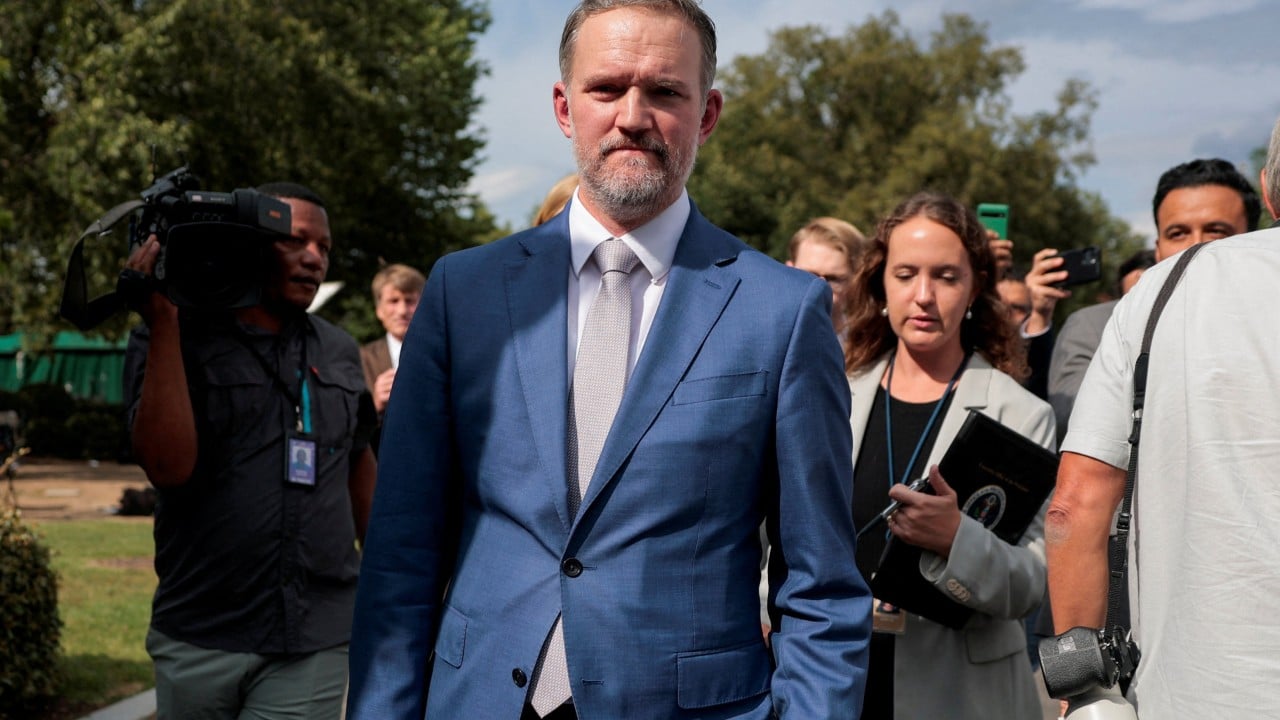
High-level diplomacy rarely puts an end to underlying trade hostilities. Just days after Chinese President Xi Jinping wrapped up his state visit to Washington, the Trump administration opened a fresh front on industrial policy. US Trade Representative Jamieson Greer stepped up to the podium at the Group of 20 trade ministers' meeting, rolling out a new framework designed to crack down on global steel overproduction.
If you thought high-level summits would cool down trade tensions, think again.
The Milwaukee Framework and Global Steel Pressures
Meeting on the sidelines of the G20 trade ministerial, Greer introduced what officials are calling the "Milwaukee Framework." While diplomatic language avoided directly naming Beijing in every single sentence, the target of the initiative is transparent. Washington is pushing major advanced and emerging economies to tighten trade barriers against cheap steel imports.
The strategy addresses a structural conflict. Global steel overcapacity has surged, with projections indicating it could climb significantly higher in the coming years. China's domestic steelmaking capacity accounts for nearly half of the entire global output. When domestic demand slowed inside China, that surplus found its way onto international markets, driving down prices and pinching local mills everywhere from North America to Europe.
American steel producers have lobbied hard for these protections. Backed by groups like the American Iron and Steel Institute, domestic manufacturers argue that Section 232 tariffs helped the US recover enough ground to become a top global steel producer, but that wave after wave of subsidized overcapacity threatens that fragile footing.
What Happened During the Xi State Visit
Timing is everything in international relations. Xi's state visit—his first major trip to the US in over a decade—featured extensive closed-door discussions with President Donald Trump. While both sides talked up areas of cooperation like crisis prevention and cultural artifacts, trade imbalances remained a massive stumbling block.
Rumours circulated ahead of the summit that the White House had delayed broader industrial capacity tariffs specifically to keep the diplomatic track clear for the talks. But the ink on the summit agreements had barely dried before US trade officials pivoted back to a hardline stance. Greer's G20 announcement signals that temporary diplomatic pauses do not equate to a long-term policy shift.
Global Reactions and the Road Ahead
Not every G20 member is eager to lock step with Washington's aggressive tariff playbook. When asked whether other nations had agreed to match US tariff hikes on Chinese steel, Greer offered a blunt assessment: every country will do what it thinks is appropriate.
This reveals a fractured global marketplace. While economies like the US and certain European allies worry about industrial survival and market dumping, developing nations and export-driven economies often rely on competitively priced raw materials.
If you are tracking how global supply chains respond, keep an eye on how individual G20 participants handle the Milwaukee Framework. Expect more regional trade disputes, targeted anti-dumping investigations, and protectionist walls going up well beyond North America.