Thousands of citizens have taken to the streets once again, and honestly, nobody should be surprised. When a government spends years choking out democracy, people eventually reach a breaking point.
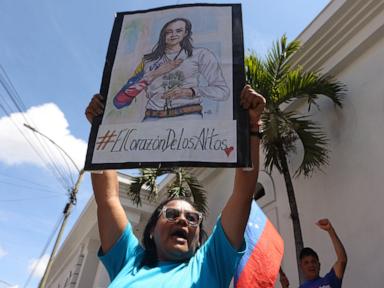
Supporters of Venezuelan opposition figure María Corina Machado recently flooded major boulevards in Caracas, Valencia, Maracaibo, and Merida. They aren't just waving flags for fun. They're demanding her safe return from exile and pushing hard for presidential elections that actually reflect the will of the voters.
If you've been tracking Venezuelan politics, you know the playbook. The ruling establishment controls the courts, silences dissent, and locks out popular candidates. Machado was barred from running in the previous presidential contest, yet her stand-in candidate still captured massive support. Now, citizens are refusing to let the current interim administration sweep their democratic aspirations under the rug.
What’s Driving the Latest Protests
You have to look at the ground-level reality to understand why people keep marching despite the risks. Activists wearing the sky-blue colors of the Vente Venezuela party filled the avenues on motorcycles, honking horns and chanting slogans.
The core demands are simple:
- Allow María Corina Machado to return home safely without state interference.
- Overhaul the National Electoral Council to ensure fair voting conditions.
- Set a definitive timeline for open presidential elections.
It's not about partisan loyalty anymore. It's about basic survival, economic dignity, and the right to choose a future. When local leaders take to the megaphone to declare that this is a movement by the people and for the people, they mean it. Years of hyperinflation, institutional decay, and political crackdowns have left ordinary families exhausted.
The Obstacle Course of Return
Machado has been living in exile, and her attempts to return have faced constant roadblocks. Her team recently reported that planned flights from Panama were grounded after neighboring island territories denied landing permits. Government officials deny any active blockade, but nobody buying groceries in Caracas believes them.
Critics note that the political machine left behind by Nicolás Maduro continues to operate through interim figures. International diplomacy moves at a snail's pace, while citizens face immediate economic hardships. That disconnect is why street mobilization remains the opposition's most potent weapon.
What Happens Next
Change in Venezuela won't happen overnight, but momentum matters. The pressure is shifting from quiet dissatisfaction to loud, coordinated public demands. If the interim authorities want any legitimacy on the global stage, ignoring these rallies will only deepen the crisis.
Keep an eye on how international allies respond to the call for new electoral timelines. Watch whether regional governments step up pressure to guarantee safe passage for exiled leaders. The fight for Venezuela's political soul is far from over, and the streets are making that crystal clear.