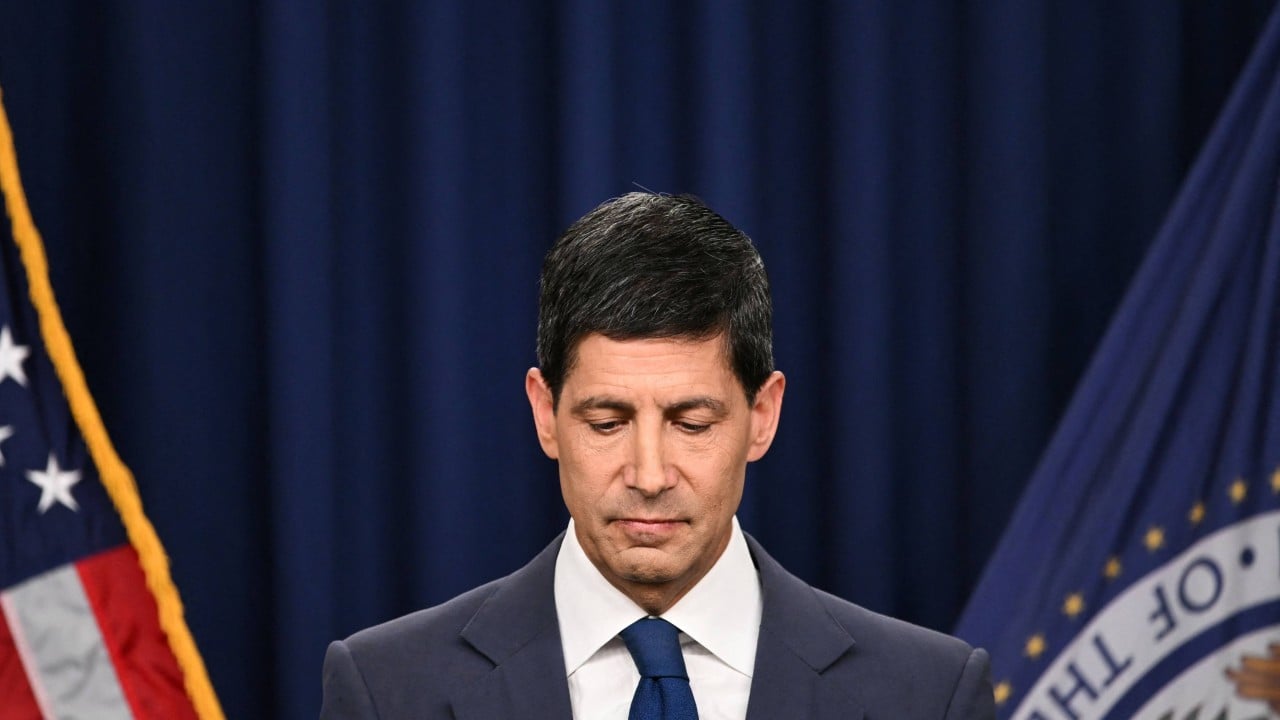
Donald Trump wants something that defies basic macroeconomics. He thinks the United States should carry the lowest interest rates in the world, no matter what stubborn inflation data says.
While standing at the Irish Open golf tournament in Doonbeg, Ireland, the president laid out a simple demand right before a major Federal Reserve policy meeting. He argued that the nation with the best credit profile shouldn't be paying high borrowing costs that enrich foreign competitors. Instead, he claimed the system is backwards.
Markets are looking at a very different reality. Inflation spiked recently after the Labor Department’s Consumer Price Index posted its largest four-month jump. Energy costs are climbing due to disruptions tied to the ongoing conflict involving Iran, and import taxes are pushing prices up. Investors are pricing in a high chance that the central bank under Chair Kevin Warsh will hike rates to cool things down.
Trump isn't buying the traditional data. He told reporters he knows more about financial formulas than anyone else. He also dropped a blunt warning on social media weeks ago: lower the rate, or face trade freezes with countries running a deficit against the US.
The Cost of National Debt and Deficits
Why does the White House care so much about a couple of percentage points? The math behind federal borrowing explains the obsession.
When you run a multi-trillion-dollar national debt, every single basis point matters immensely. Trump noted in past economic interviews that a reduction of just two percentage points would slice hundreds of billions off the federal deficit. To his mind, keeping borrowing costs high means the Treasury effectively subsidizes high interest payments that drain American resources while other nations benefit.
Critics call this dangerous pressure on an independent central bank. Supporters argue it’s a necessary pushback against monetary policy that ignores growth in favor of Wall Street anxieties.
Politics Meets Monetary Policy
The timing couldn't be worse for the ruling party. Midterm elections are right around the corner, and control of Congress hangs by a thread.
Voters care about one primary thing right now: affordability. When grocery bills, energy costs, and mortgage rates climb together, approval ratings drop. Polling shows persistent inflation is dragging down political support. A rate hike from the Fed right before voters head to the ballot boxes risks infuriating an already stretched electorate.
National Economic Council Director Kevin Hassett tried to walk a fine line on television, stating that the administration will respect Kevin Warsh's independence at the Fed. At the same time, Hassett admitted the obvious truth. If the central bank moves forward with a rate hike, nobody in the West Wing is going to celebrate.
What This Means for Your Money
If you're wondering how this tug-of-war impacts your personal finances, look past the political theater. The tension between the executive branch and the central bank creates extreme market volatility.
When the White House openly demands aggressive rate cuts while inflation remains sticky, bond yields jump and stock markets react nervously. If you're planning to buy a home, take out a business loan, or manage a portfolio, don't expect cheap money to return overnight just because politicians want it.
Keep a close eye on the actual economic indicators rather than political posturing. Watch core inflation prints, crude oil pricing, and supply chain bottlenecks. Those metrics dictate central bank actions far more reliably than social media warnings or golf course press conferences.
Focus on locking in fixed rates where possible if you carry debt, and build cash reserves to weather unpredictable market swings. The battle over the cost of capital is only heating up.


:max_bytes(150000):strip_icc()/2445301_beste_022_0-eae0c6e7188b4581b79740fd9782b60f.jpg)