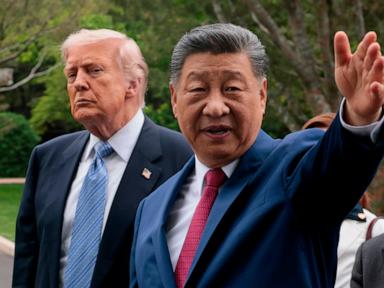
Ever notice how every single time Donald Trump and Xi Jinping sit down for a summit, the headlines promise a massive turning point, only for the actual follow-through to stall out completely? Honestly, we've seen this movie before. The two leaders meet, handshakes happen for the cameras, and then everyone pretends that structural economic divides can be solved with a quick press conference.
When you look at the track record of past pacts—from the Phase One trade deals to more recent frameworks—implementing these agreements is basically a permanent work in progress. If you're trying to figure out why grand promises constantly turn into bureaucratic grey areas, you have to look past the optics and examine the deep-seated distrust driving both Washington and Beijing.
The Reality Behind the Optics
Modest progress is the absolute best-case scenario when these two superpowers lock horns. Behind closed doors, negotiators hammer out loose frameworks designed to keep tensions from boiling over into a full-blown economic crisis. But optics and execution are entirely different beasts.
Take the proposed initiatives like the bilateral boards and investment committees sketched out during previous talks. While the rhetoric sounds great on paper, setting them up is a nightmare. American lawmakers slam the brakes on Chinese investment over national security concerns, while Beijing remains deeply suspicious of letting foreign entities poke around its critical supply chains.
Kurt Tong, a former U.S. diplomat currently with The Asia Group, points out that this underlying suspicion sets a hard ceiling on how much the relationship can actually improve. When neither side trusts the other to play by the rules, agreements tend to collect dust rather than spark real change.
Why Trade Truces Keep Faltering
Trade truces between Washington and Beijing have a very short shelf life. Look at how past agreements regarding rare earth minerals, agricultural purchases, and tech restrictions have played out. Trump often claims victory on temporary reprieves—like delayed export restrictions or renewed soybean orders—while structural issues remain entirely unresolved.
The U.S. administration frequently pushes for rigid six-month extensions or tighter compliance checks because Beijing routinely drags its feet on fulfilling specific purchasing volumes or easing choke points on critical materials. Meanwhile, China uses these high-level meetings to buy time, stabilizing its domestic economy while keeping its long-term technological ambitions right on schedule.
The Tech and Security Stalemate
Artificial intelligence and advanced manufacturing are where diplomacy goes to die. Both governments talk a big game about establishing safety dialogues and guardrails for emerging technologies, but neither side wants to give up an inch of competitive advantage.
Washington worries about losing its technological edge to a rival, while Beijing views safety talks primarily as a backdoor to bypass U.S. export controls and acquire advanced semiconductor chips. Until both capitals agree on what the rules actually mean—and accept real penalties for breaking them—any signed document regarding technology is basically just a placeholder for the next dispute.
If you're tracking global markets or managing a supply chain exposed to these geopolitical shifts, stop waiting for a permanent grand bargain. The current reality isn't about solving core differences. It's about managing an endless, high-stakes standoff where the ink on the agreement is dry before the backtracking even begins.