The final American boots have left Iraqi soil. Baghdad calls it a triumph of state sovereignty. Iran-backed factions are holding street parties, declaring a historic end to foreign occupation. But if you look north toward the autonomous Kurdish region, the mood isn't celebratory. It's pure anxiety.
Let's break down why the complete U.S. troop withdrawal under the 2024 bilateral agreement changes the balance of power overnight, and why local leaders are sounding the alarm.
The Security Vacuum Left Behind
For twelve years, the American military presence functioned as a crucial stabilizer—and a tripwire—against escalating regional conflicts. With the mission officially wrapped up and the final troops evacuating air bases, a massive strategic void opens up.
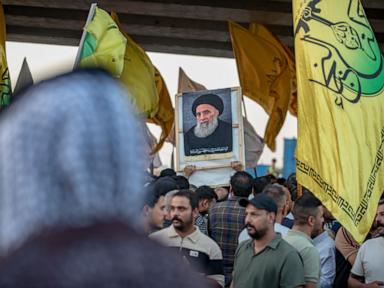
Iran-aligned groups like Kataib Hezbollah are waving flags and framing the departure as total victory. Abu Mujahid al-Assaf, a prominent security official for the militia, didn't mince words, warning the Iraqi government against aligning with Western plans while threatening severe political upheaval.
Baghdad initially tried tying the U.S. withdrawal deadline to the disarmament of non-state armed groups by late 2026. That deadline has already slipped. Weapons remain in the hands of militias "without limit," and the central government lacks the muscle to push back.
Why Kurdistan Feels Vulnerable
While Baghdad pops champagne, the Kurdish Regional Government is staring down an unprecedented security crisis. During recent regional flare-ups involving the U.S., Israel, and Iran, the Kurdish territory absorbed over one thousand drone and ballistic-missile strikes.
The primary fear isn't just about infantry leaving; it's about what went with them. The U.S. military took its air defense systems on the way out.
The Peshmerga Ministry issued blunt statements highlighting the danger: departing under these volatile conditions without handing over robust defensive architecture leaves local populations completely exposed. Without reliable shield coverage, the region becomes an easy target for cross-border drone incursions and hostile militia pressure.
What Happens Next in Iraqi Politics
The exit doesn't mean regional stability is just around the corner. Instead, it starts a high-stakes chess match.
- Militia groups are flexing newfound political and military leverage.
- The Iraqi state has to prove it can govern without foreign backing while reining in armed factions that answer to outside powers.
- Kurdish authorities must scramble for alternative defense agreements or risk being ground down by surrounding pressures.
The U.S. mission is over, but the messy aftermath is just beginning. You're watching a complete reshuffling of Middle Eastern security real-time, and the weakest players are paying the immediate price.
US forces pack up to leave Iraq
This video captures local broadcast coverage of the final U.S. military pullout from Iraq and the ongoing debate surrounding armed factions keeping their weapons.
http://googleusercontent.com/youtube_content/1