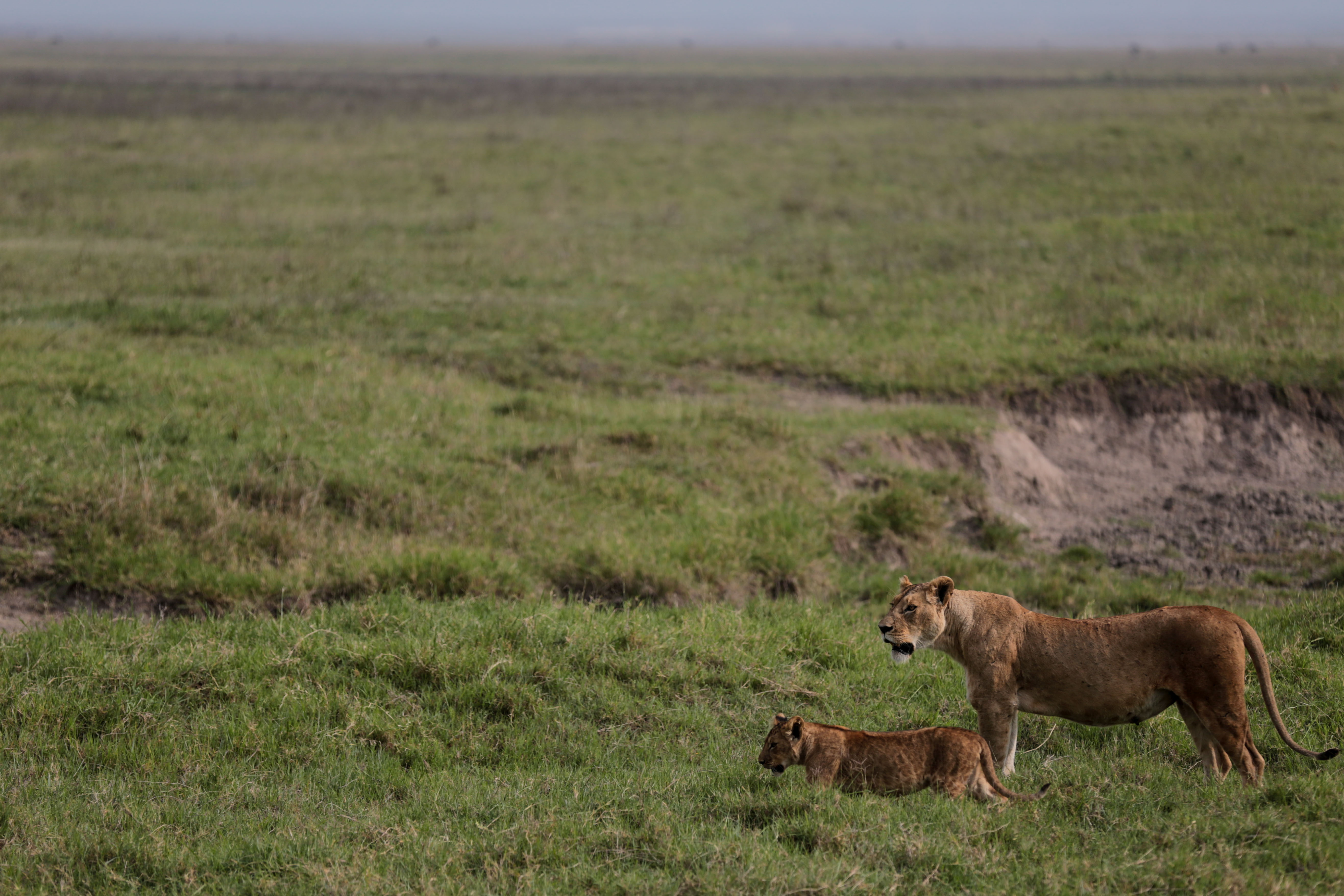
Ten magnificent lions were found dead in Tanzania's world-famous Ngorongoro Conservation Area on September 18, 2026. Preliminary investigations point to a grim reality: suspected poisoning. When an entire pride or a large group of apex predators drops dead at once, it isn't an accident. It is a symptom of a much deeper crisis tearing through East Africa.
If you follow wildlife conservation, you already know that lions are in trouble. But incidents like this expose the raw, unfiltered friction between expanding human populations and protected megafauna. Let's break down what actually happened, why poisoning is becoming a weapon of choice, and what this means for the future of wild lions.
What Happened in the Ngorongoro Conservation Area
The Ngorongoro Conservation Area Authority (NCAA) dropped the heartbreaking news in a statement released late on Saturday. The bodies were discovered clustered in the Ndutu area of Endulen Ward, within the Arusha region.
Initial reports from the scene indicated that the animals likely died after ingesting toxic substances. The NCAA has launched an expert investigation to trace the exact source of the poison and track down the culprits. But finding answers won't be easy. In remote savannah landscapes, tracking down illegal chemical distributors feels like looking for a needle in a haystack.
This tragedy didn't happen in a vacuum. It is part of a disturbing regional trend. Across the border in Kenya, authorities recently arrested four suspects following the deaths of 18 elephants tied to suspected pesticide or cyanide ingestion in the Amboseli ecosystem. When large-scale wildlife massacres happen back-to-back across East Africa, it forces conservationists to ask hard questions about how communities and wildlife can possibly share borders without total destruction.
Why Poison Is the Predator's Worst Enemy
Shooting a lion makes noise. It draws rangers, triggers patrols, and leaves forensic bullet casings. Poison, on the other hand, is quiet, cheap, and devastatingly effective.
Livestock owners dealing with cattle-raiding predators often resort to agricultural pesticides or banned substances. They lace a carcass, leave it out, and wait. The results are indiscriminate. A single poisoned bait doesn't just kill the target animal; it wipes out hyenas, jackals, vultures, and entire prides of lions that feed together.
Tanzania holds roughly half of the world's remaining wild lion population. That makes the country the ultimate stronghold for the species. Yet, vulnerability is the baseline. The International Union for Conservation of Nature lists lions as a vulnerable population, hammered constantly by shrinking natural habitats, retaliatory killings, and illegal bushmeat hunting. When ten prime lions vanish overnight in a UNESCO World Heritage Site, the blow to local genetic diversity is massive.
The Human-Wildlife Conflict Pressure Cooker
You cannot talk about conservation in Ngorongoro without talking about the people who live there. Tensions between local pastoralist communities and government authorities have simmered for years.
Government-led relocation and restriction programs have ramped up since 2022, fueled by a sharp rise in the human population inside the reserve. Back in 1959, roughly 8,000 people lived in the area. Today, that number has surged past 100,000.
More people means more cattle. More cattle means more grazing competition with wild herbivores. And when wild prey populations drop or livestock encroaches deeper into protected zones, lions turn to domestic cows and goats for survival. That is when the cycle of retaliation begins.
What Needs to Happen Next
Punishing the individuals responsible for the Ndutu poisoning is a baseline necessity, but it is a reactive band-aid. Real change requires systemic shifts in how local communities coexist with wildlife.
- Faster Compensation Schemes: Pastoralists need immediate, reliable financial payouts when predators kill their livestock. If a herder loses his livelihood overnight without compensation, the temptation to use illegal poison skyrockets.
- Improved Livestock Husbandry: Strengthening thorn-bush bomas (traditional enclosures) and adopting predator-proof fencing can stop attacks before they happen.
- Stricter Chemical Regulation: Agricultural pesticides used as lethal weapons need tighter distribution controls and heavy penalties for misuse.
Protecting Africa's lions requires listening to the communities living alongside them while holding the line on wildlife crime. Until local economic survival and conservation align, tragedies like the one in Ngorongoro will keep repeating.