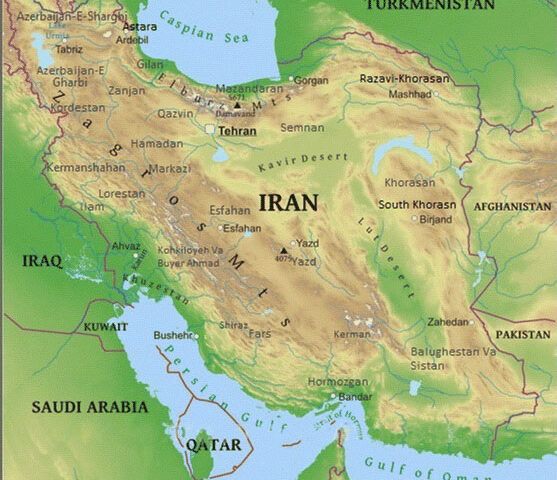
Energy markets are ignoring geopolitical reality, and it's going to cost someone dearly. Global crude flows have managed to rebound toward near pre-war levels, but the diplomatic machinery underpinning this fragile stability is falling apart in real-time.
President Donald Trump just flatly rejected Tehran's proposed seven-day roadmap to lift sanctions, release frozen funds, and reopen the crucial Strait of Hormuz. Instead of a breakthrough, American and Iranian officials are back to holding separate, indirect talks via regional mediators like Qatar and Pakistan.
Brent crude surged past $108 a barrel following the rejected proposal, proving just how jittery traders actually are. You can't rely on high export numbers when a single miscalculation in the Persian Gulf could choke off millions of barrels overnight.
The False Security of War-Time Export Highs
Right now, market data tells a confusing story. Confirmed transits through the Strait of Hormuz have crept up from historic lows, and Middle Eastern producers are pumping out volume to capture high margins. Traders see these numbers and breathe a sigh of relief. That is a massive mistake.
Volume doesn't equal safety. The underlying conflict that kicked off in late February with U.S. and Israeli strikes hasn't been resolved; it has merely paused for diplomatic theater. Tehran's recent diplomatic overtures—including proposals floated ahead of the U.N. General Assembly—were designed to test Washington's appetite for an off-ramp. When the White House knocked back the roadmap, it signaled that maximum pressure remains the default U.S. strategy.
If you trade energy or manage supply chains, you have to look past today's inventory reports. The current shipping volume rests entirely on a knife-edge.
Why Washington and Tehran Keep Missing Each Other
Diplomacy rarely fails because people don't talk. It fails because the terms are fundamentally incompatible.
Iran wants immediate relief. Tehran's proposed roadmap demanded the release of frozen funds, an end to the naval blockade, and the rolling back of aviation restrictions that have grounded carriers and squeezed the country's economy. In return, they offered a timeline to restore normal shipping traffic through the bottleneck of Hormuz.
Washington sees it differently. The Trump administration is betting that domestic political factors—specifically upcoming midterm elections—give them leverage to extract harsher terms. Treasury Secretary Scott Bessent has doubled down on economic isolation, moving to cut off Iranian airlines from the global dollar network entirely.
When one side demands total compliance and the other demands sanctions relief upfront, mediators end up talking to empty chairs. That's why separate indirect talks are failing to bridge the gap.
What Happens When the Strait Chokes Again
Let's look at the operational risk. The Strait of Hormuz handles a massive chunk of the planet's daily petroleum supply. If negotiations break down completely and naval enforcement tightens further, those export highs will evaporate in hours, not weeks.
Refiners across Asia and Europe are already running lean inventories. They're absorbing high diesel prices and hoping for the best, which is a terrible risk-management strategy. When supply lines are this constrained, you don't get a gentle warning before prices spike.
Take a hard look at your energy exposure right now. If your business relies on stable fuel costs, don't assume that current production figures will protect you through the winter. Build cash buffers, lock in fixed-rate supply contracts where possible, and stop treating geopolitical standoffs as background noise.
The window for a negotiated settlement won't stay open forever, and the market is wildly underpricing the alternative.