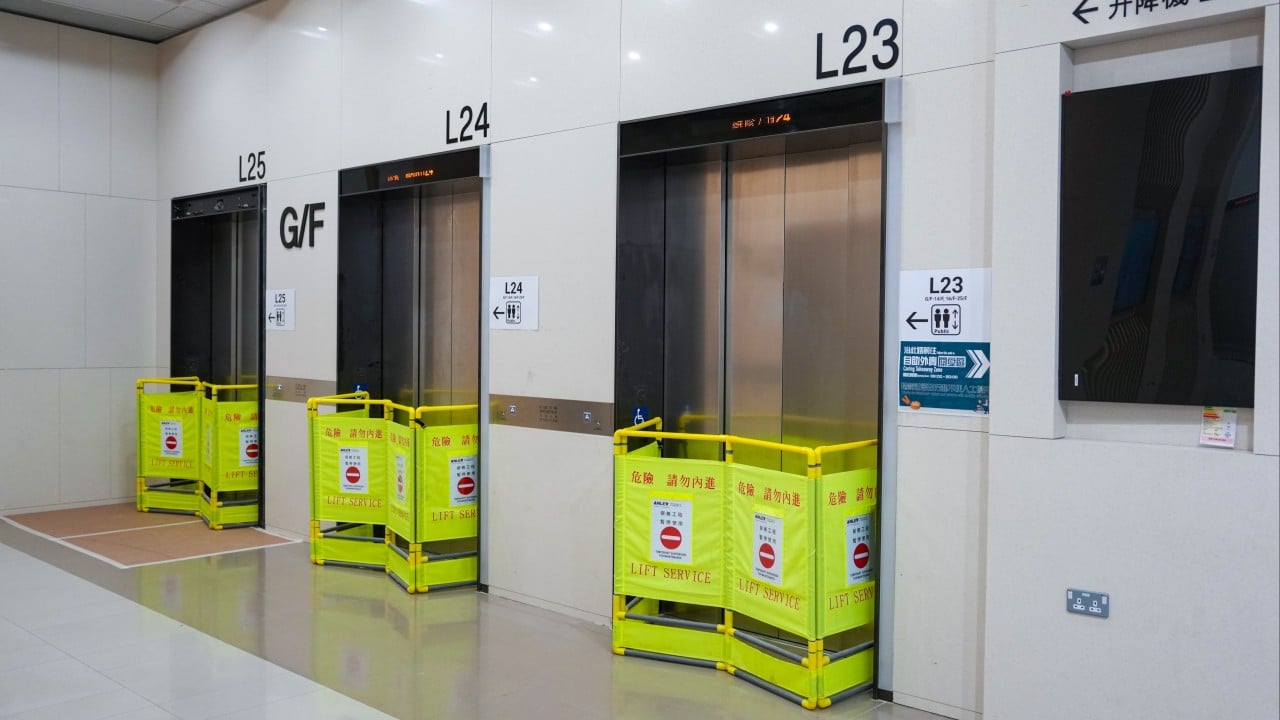
Infrastructure project failures rarely stay quiet for long, especially when they stall critical public healthcare services. Hong Kong Chief Executive John Lee Ka-chiu recently drew a hard line regarding the botched lift installations at Queen Mary Hospital's new Clinical Block. When newly installed elevators and structural lift shafts fail right after a phased rollout, people get angry. They want answers.
If you have ever managed a major construction project or navigated Hong Kong's dense bureaucratic red tape, you know how quickly things can go sideways when oversight slips. Lee has ordered the Development Bureau to hand over a full investigation report within a single month. This isn't just about broken machinery. It is a direct warning to contractors, subcontractors, and negligent civil servants that standard excuses won't fly anymore.
The Real Cost of Construction Blunders
Let's look past the corporate press releases. When a major medical facility like Queen Mary Hospital faces delays because elevators don't work or shafts are structurally compromised, the impact hits patients immediately. Hospitals aren't office towers where a broken lift means taking the stairs for a few days. They are high-stakes environments where vertical mobility dictates patient transfer speeds, emergency response times, and daily operational flow.
The new Clinical Block was supposed to ease pressures on the public healthcare system following its initial rollout. Instead, structural defects and faulty lift mechanisms turned a modern upgrade into an administrative headache.
Contractors often point fingers down the supply chain when things break. Subcontractors blame material suppliers, technicians blame rushed deadlines, and independent consultants claim they followed testing protocols. Lee's recent statements explicitly target this blame-shifting culture. By demanding accountability across the entire hierarchy—from private engineering firms down to government supervisors—the administration is trying to restore public trust in how mega-projects are monitored.
Why One Month is a Brutal Deadline
Giving an internal bureau just 30 days to investigate complex structural engineering failures is ambitious, to put it mildly. Engineering audits take time. Laser scanning, load testing, and reviewing material compliance certificates usually drag on for months.
Yet, the compressed timeline sends a clear psychological signal. The government cannot afford to look passive while public healthcare assets sit underutilized. If the Development Bureau uncovers systemic oversight failures or corner-cutting during the installation phase, heads will roll.
We have seen this script before in publicworks scandals across Asia. A high-profile failure occurs, leaders demand swift retribution, reports are filed, and contractors face fines or temporary blacklisting. But the deeper question remains: how did defective lift shafts pass initial quality gates in the first place?
Fixing the Oversight Loop
Preventing a repeat of the Queen Mary Hospital fiasco requires changing how public projects handle quality control on the ground.
- Independent Audits: Relying solely on contractor self-reporting is a recipe for disaster. Independent third-party verification needs mandatory teeth.
- Strict Subcontractor Vetting: The race to the bottom on bidding prices often forces main contractors to hire inexperienced low-tier specialists.
- Mid-Project Interventions: Waiting until a building is finished to notice tilted lift shafts or core mechanical failures means millions of dollars and months of delays are already lost.
Fixing Hong Kong's public infrastructure pipeline means making negligence expensive for the people actually responsible. Lee's demand for accountability is a solid start, but the real test will be whether the upcoming report triggers systemic reform or just a slap on the wrist.


