Geopolitics often moves in strange circles. Right now, Dhaka and Washington are writing a fresh chapter in bilateral relations through a new agreement focused squarely on the peaceful uses of nuclear energy. If you look past the standard diplomatic handshakes, this pact carries heavy strategic weight for South Asia's evolving energy grid.
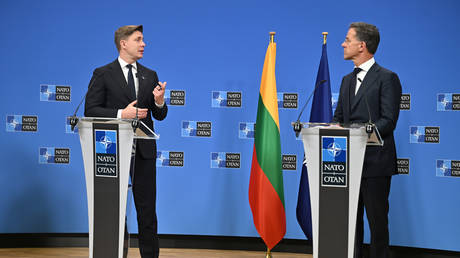
Let's break down what actually happened. Rehan Asad, Adviser to the Prime Minister on Science and Technology, signed the official accord on behalf of Bangladesh. Jacob Helberg signed on behalf of the United States. While critics might write this off as a routine bureaucratic formality, the roots of this cooperation stretch back decades. Historical records show that the framework for this atomic partnership was first conceptualized way back in 1981 under the administration of the late President Ziaur Rahman. It took more than forty years of shifting political landscapes for this vision to cross the finish line.
The Ground Realities of Bangladesh Nuclear Ambitions
You can't talk about civilian nuclear energy in Bangladesh without looking at the massive Rooppur Nuclear Power Plant project. Located on the banks of the Padma River in the Pabna district, this facility is designed to pump 2,400 megawatts of baseload electricity into the national grid using third-generation VVER-1200 reactor units.
Russia's state-run Rosatom has been handling the heavy lifting on the construction front. Low-enriched uranium fuel shipments have already started arriving for the first unit under tight military security and international safeguards. But the second unit is facing unexpected hurdles. Recent fuel deliveries hit a wall because regional airspace restrictions and logistical bottlenecks delayed cargo flights. Ministry officials found themselves scrambling to coordinate alternative transport schedules while major stakeholders stayed tight-lipped about who actually blocked the clearance.
Why This US Partnership Matters Now
Bangladesh is trying to diversify its technological and diplomatic dependencies. Relying solely on Russian engineering and hardware for its primary atomic energy infrastructure leaves Dhaka exposed to supply chain vulnerabilities, especially with ongoing global sanctions and airspace restrictions involving Moscow.
By bringing Washington into the civilian nuclear conversation, Bangladesh opens the door to Western safety standards, technical training, and institutional capacity-building. It gives Dhaka diplomatic breathing room. It also signals to international investors that the country's critical infrastructure adheres to strict global non-proliferation norms.
If you are tracking energy security in developing nations, watch how regulatory frameworks evolve over the next twelve months. Expect joint training programs, nuclear safety audits, and American technical consulting to filter into Bangladesh's atomic sector.
Keep an eye on the logistics for the delayed Rooppur fuel shipments and how quickly technical teams resolve the airspace clearance issues. That will tell you more about the practical speed of these projects than any signed paper ever could.