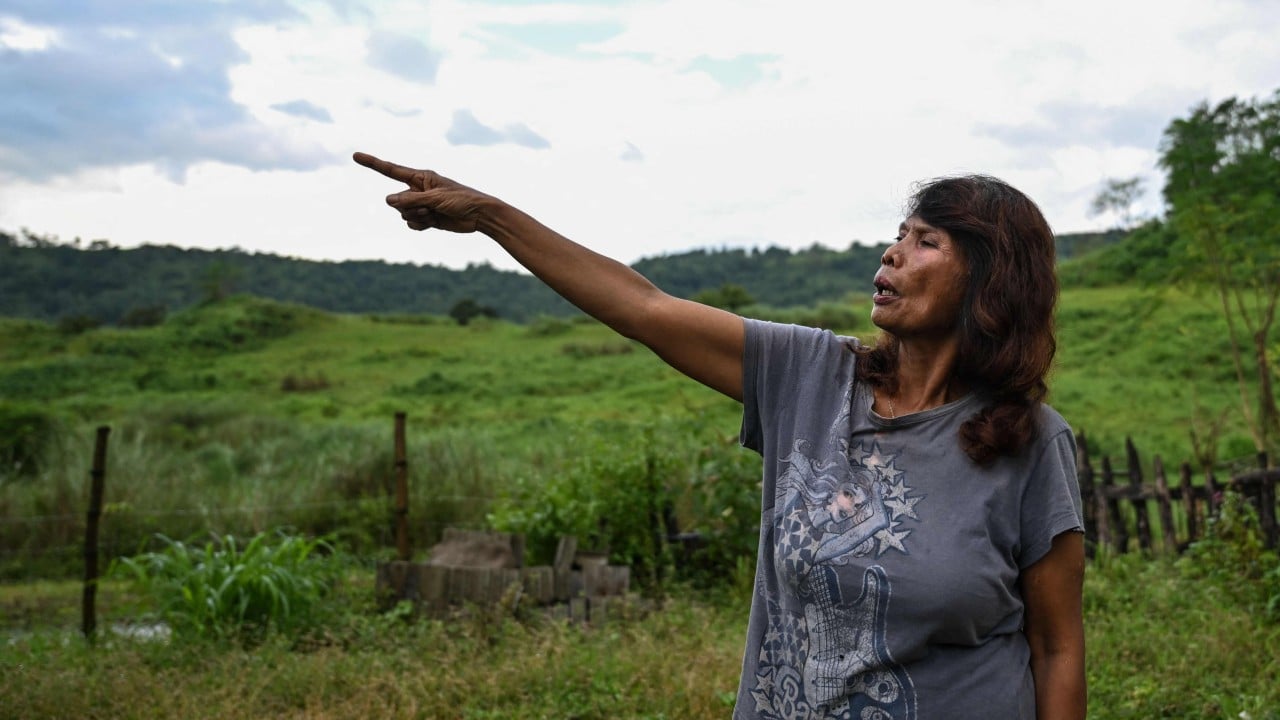
When governments talk about billions in tech investments and thousands of new jobs, indigenous communities usually get treated as an afterthought. Right now, that story is playing out in Central Luzon, where the Aeta indigenous community is staring down the barrel of displacement.
The conflict centers on a massive 1,620-hectare site in New Clark City, Tarlac. This tract of land was designated for a high-tech manufacturing and industrial hub under the US-led Pax Silica initiative. Officials promise up to $70 billion in investments and roughly 190,000 jobs. But for the roughly 1,000 Aeta residents living there, those grand economic projections translate to one simple reality: losing their ancestral homes.
The Cost of Progress in New Clark City
Government agencies like the Bases Conversion and Development Authority (BCDA) are pushing hard for the economic zone. They want to position the Philippines as a primary supply chain hub for advanced manufacturing and tech hardware. Yet, the people whose families have farmed and stewarded these hills for generations received a blunt warning letter in July stating the project could disrupt their occupied lands.
The compensation offered to these residents adds insult to injury. Reports show displaced families were offered a meager 30 pesos—about 50 US cents—per square meter for relocation plots located 16 kilometers away.
Land is not just real estate to the Aetas. It is identity, survival, and history. Aeta chieftain Petronila Muñoz put it bluntly when she stated that their lives, livelihoods, and culture are entirely tied to their ancestral domain. When you offer 50 cents a square meter to uproot an indigenous community, you aren't negotiating. You're forcing them out.
Transparency and Freedom of Information Wall
You would expect a multi-billion dollar international tech initiative backed by superpowers to operate with strict transparency. Instead, local communities are dealing with locked doors and bureaucratic stonewalling.
When tribal leaders requested master plans and official documentation showing exactly which ancestral domains would be seized, the BCDA rejected freedom of information requests. Their excuse? The data is withheld temporarily until final actions are published.
That approach creates a climate of fear and confusion. Researchers like Alvin Camba have publicly urged the Philippine government to come clean and share what is actually happening on the ground. Leaving a thousand indigenous people in the dark while foreign diplomats and tech executives sign agreements in Manila and Washington is a terrible look.
The Broader Shadow of Pax Silica
Pax Silica is designed to secure supply chains for semiconductors, critical minerals, and artificial intelligence infrastructure among allied nations. It brings together countries like Japan, South Korea, the UK, Australia, and the US.
While policymakers view this as a geopolitical win against supply chain vulnerabilities, critics point out the severe local externalities. Mega-scale manufacturing and AI hubs require staggering amounts of clean water and electricity. Local farmers and villagers rely on crystal-clear local water sources for survival. If massive industrial developments move in, clean water security vanishes.
Furthermore, international groups like the International Coalition for Human Rights in the Philippines have jumped into the fray. They argue that rushing these zones onto indigenous lands turns local ecosystems into collateral damage for foreign tech dominance.
What Needs to Happen Now
If the Philippine government wants this project to succeed without trampling human rights, the playbook needs to change immediately.
First, halt land clearance notices until independent and rigorous stakeholder impact assessments are finished. A token review won't cut it.
Second, open the books. Hand over all master plans to the Aeta community without redactions or bureaucratic delays. Informed consent is a legal and moral requirement, not a suggestion.
Third, revise compensation and relocation terms to reflect actual market value and cultural replacement costs, rather than treating indigenous land as cheap clearance for foreign capital.
The Aeta people have made it clear they will stand their ground. Listen to them before bulldozers make the decision permanent.