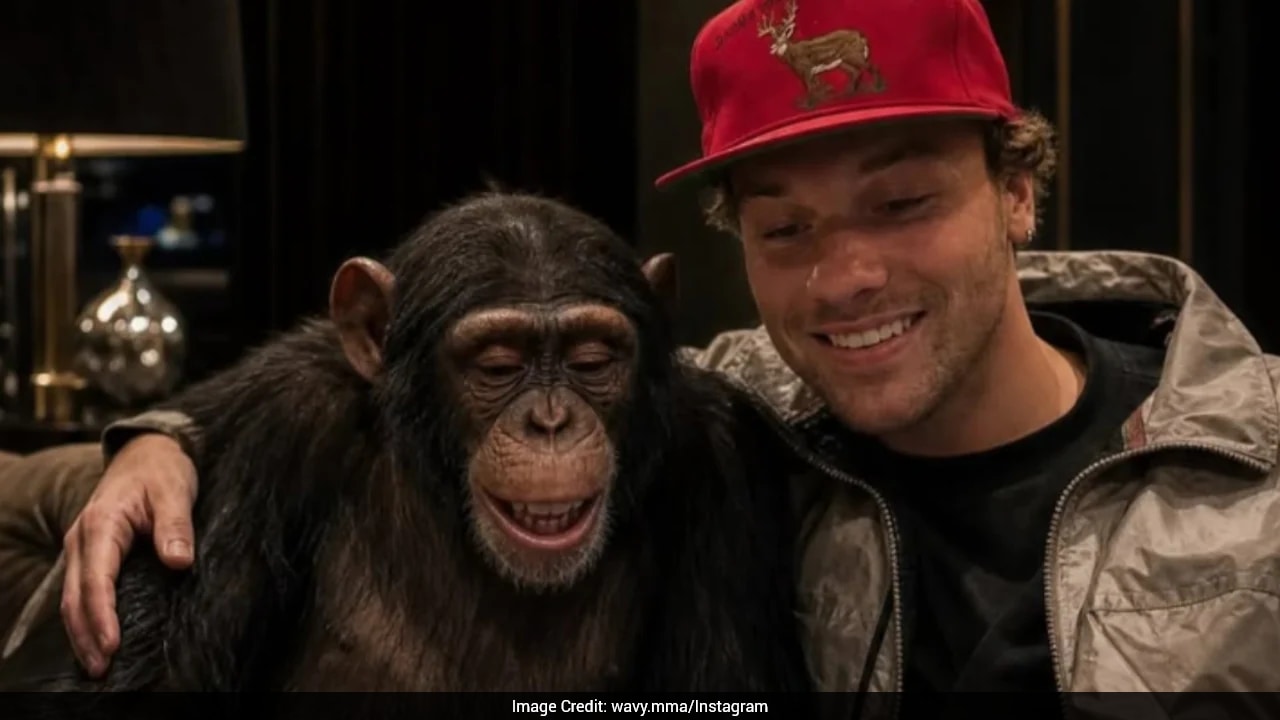
The internet loves a ridiculous spectacle. When amateur MMA fighter Cole Johnson announced he was going to step into a cage to fight a chimpanzee, social media lost its collective mind.
People love extremes. Millions of online users immediately took the bait, arguing over primate muscle mass, bite force, and whether a human with a 1-0 fighting record stood a single chance against an animal possessing raw, wild strength.
Except it never happened.
When the much-hyped countdown finally hit zero, the entire setup evaporated. There was no cage, no wild animal, and no fight. Instead of a bloodsport broadcast, Johnson dropped a massive plot twist that completely flipped the narrative from mindless digital entertainment to actual wildlife conservation.
How the Stunt Unfolded Online
For days, the internet ran wild with speculation. A sleek streaming website popped up featuring a live countdown, a viewer counter ticking past fourteen hundred people, and a chat room full of frantic debates.
Combat sports fans treated the announcement with varying levels of horror and amusement. Some warned the fighter about the brutal reality of primate strength, while others mocked the absurdity of the matchup. Headlines spread like wildfire across global news aggregates, feeding on our primal fascination with man versus beast matchups.
Then the curtain dropped. The streaming site was shut down by platform safety teams after being loosely linked to a crypto scheme, and Johnson posted a photo flipping off the camera wearing a shirt that read "Get rugged".
The entire scheme was a deliberate hoax designed to manipulate algorithmic attention spans.
The Real Message Behind the Chaos
Most internet stunts end with a merch drop or an apology for going too far. Johnson took a different route.
Instead of laughing all the way to the bank or hyping up his next amateur bout, he redirected his massive wave of newly acquired online attention toward a real crisis. He urged his thousands of viewers to stop looking at viral nonsense and start donating to the Jane Goodall Foundation.
Think about that for a second. He weaponized clickbait culture against itself. He used our collective obsession with violence and absurdity to channel funding and eyeballs toward the actual protection of chimpanzee habitats.
It is easy to dismiss the whole thing as a messy internet prank—and interviews with the fighter later revealed he genuinely expected federal law enforcement to come knocking due to the sheer panic the site caused. Yet, underneath the chaotic execution lies a stark truth about modern media consumption.
Why We Fell For It
We live in an age where digital outrage and bizarre headlines dictate what people talk about. If someone tells you a trained athlete is going to fight a wild animal, your brain pauses because it sounds so fundamentally unhinged that you cannot look away.
We consume content reactively. We rarely stop to ask if the logistics make sense. A chimpanzee cannot sign a bout agreement, nor would any ethical sanctuary or athletic commission allow such madness. Yet thousands of commenters eagerly debated the outcome anyway.
Johnson used that exact psychological vulnerability to prove a point. He gave the internet what it wanted—a controversy—only to pull the rug out and leave people staring at a conservation link instead.
What You Should Do Next
Next time a viral headline sounds too wild to be true, take a breath before you share it. Look past the shock value.
If a bizarre internet stunt manages to cross your feed, use that momentum to look up real issues affecting the subjects of the craze. Support organizations fighting against habitat loss, illegal wildlife trafficking, and the exploitation of endangered species.
Stop feeding mindless clickbait with your shares and channel that energy into real-world action.