When the world's two largest economies press pause on their worst impulses, capitals from Jakarta to Manila notice immediately. Following the latest Washington summit between Xi Jinping and Donald Trump, Southeast Asian governments are experiencing a very familiar cocktail of emotions: immediate relief mixed with deep-seated anxiety.
The logic behind the relief is simple. When Washington and Beijing are locked in a relentless trade war or trading active threats over regional flashpoints, members of the Association of Southeast Asian Nations find themselves trapped in the crossfire. A cooling of direct rhetoric lowers the heat. It reduces the exhausting diplomatic pressure forcing developing nations to pick a permanent side in a bipolar struggle.
Yet, anyone operating on the ground across the region knows that a temporary diplomatic thaw doesn't erase structural realities. Underneath the polite communiqués and handshakes, deep strategic anxieties remain completely unresolved.
The Trap of Great Power Management
The primary fear across Southeast Asia isn't outright conflict—it is quiet marginalization. Regional diplomats constantly worry about falling into a "G2" trap where Washington and Beijing negotiate the security architecture and economic rules of Asia behind closed doors, handing down decisions for smaller sovereign nations to swallow.
Look at how supply chains have shifted over recent years. Southeast Asia became a massive beneficiary of manufacturers relocating away from mainland China to dodge high tariffs and trade friction. If the US-China relationship stabilizes to a point where those tariff differentials flatten out, a major economic advantage for countries like Vietnam, Indonesia, and Thailand vanishes overnight. The region thrived precisely because the giants were fighting; a permanent, cozy accommodation between them could alter those capital flows.
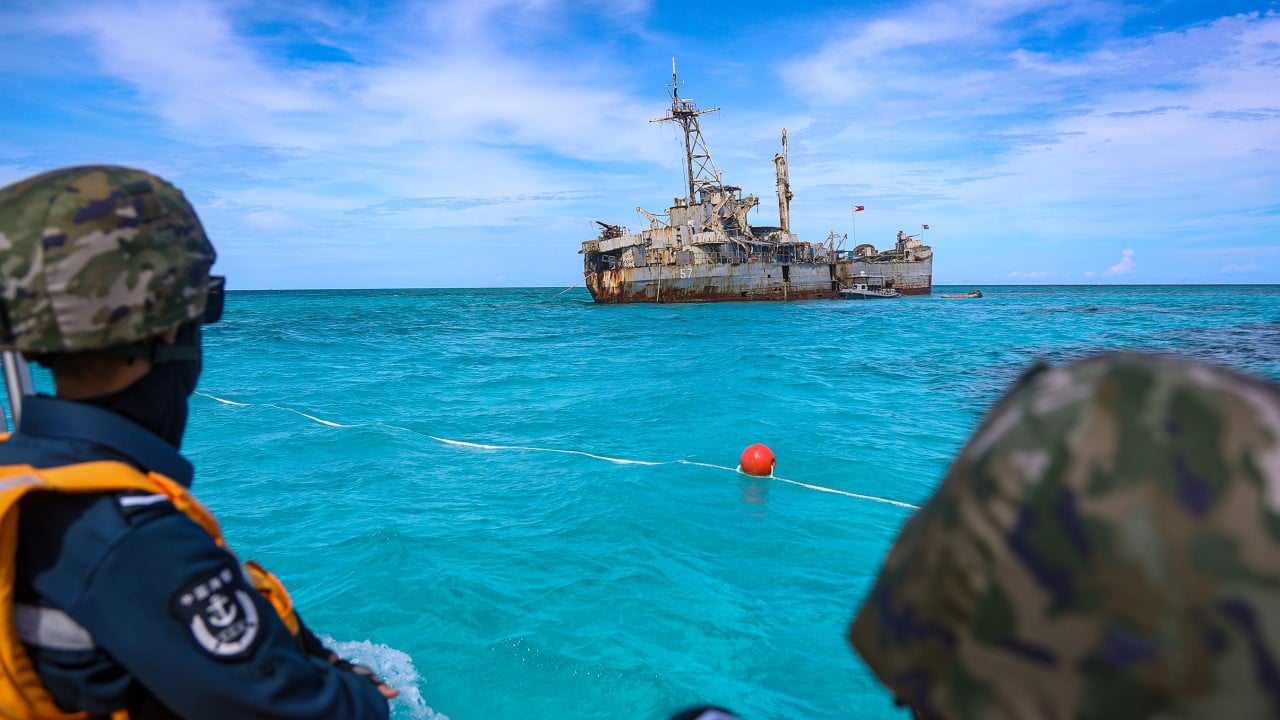
Furthermore, big-picture declarations in Washington rarely match local realities at sea. While the presidential meeting avoided explosive public spats over territorial disputes, tactical friction in contested waters hasn't paused. Incidents involving coast guard vessels near strategic shoals and reefs continue to flare up with predictable regularity. A polite meeting in North America doesn't change the daily operational headaches faced by regional fishermen and maritime patrols.
What Businesses and Policymakers Miss
Most international observers look at these high-level summits through a purely military or macroeconomic lens, asking whether trade wars will restart or warships will collide. That misses the practical operational adjustments happening on the ground.
Smart enterprises operating in the region stopped waiting for Washington or Beijing to hand them a predictable landscape long ago. Local business leaders are hardening their supply chains independently of what any summit communique promises. They are localizing suppliers, upgrading domestic workforce skill sets, and diversifying export markets to insulate themselves from sudden policy shifts.
The real lesson from the Xi-Trump engagement is that vulnerability comes from over-reliance on external stability. If you run a business or manage trade exposure tied to the region, betting your strategy on a permanent detente between superpowers is a losing game. The baseline tension hasn't disappeared; it has merely gone indoors.
Practical Next Steps
Stop treating geopolitical headlines as market certainties. If your operations touch Southeast Asia, take concrete steps to protect your margins:
- Audit your supply chain dependencies to identify single points of failure if trade exemptions or tariff truces expire unexpectedly.
- Build operational redundancies by sourcing components locally within ASEAN nations rather than relying entirely on cross-border inputs from polarized superpowers.
- Monitor localized regulatory changes in individual Southeast Asian countries, as national industrial policies are shifting faster than bilateral US-China agreements.
Prepare for friction as the new normal, because stability between giants is rarely built to last.