For decades, Washington and Seoul have chased an impossible dream. They demanded the complete, immediate, and irreversible denuclearization of North Korea. That strategy has failed. North Korea didn't fold under pressure. Instead, Kim Jong Un expanded his nuclear stockpile, built intercontinental ballistic missiles, and forged deeper alliances with Moscow and Beijing.
South Korea's leadership is now acknowledging reality. A new diplomatic proposal suggests trading economic sanctions relief for a verifiable nuclear freeze. It is a pragmatic shift. It swaps a failing absolute demand for an achievable first step. Let's look at why this shift matters right now and what it means for global security.
The Failure of Absolute Denuclearization
Sanctions were supposed to choke Pyongyang into submission. They didn't. North Korea adapted. Intelligence estimates suggest the regime currently produces an estimated ten to twenty new nuclear weapons every single year.
Insisting on total disarmament under current conditions is a dead end. When you demand everything upfront from a regime that views nuclear weapons as its ultimate insurance policy, you get nothing. Seoul's recent outreach argues that acknowledging this stalemate is the only way forward.
"Aiming for denuclearisation under the current circumstances guarantees that nothing will be accomplished."
That blunt assessment captures the core problem. North Korea has more leverage today than it did five years ago. Troops and military hardware deployed to support Russia's war in Ukraine gave Pyongyang fresh economic oxygen and political backing. Meanwhile, ties with China remain stable. Kim Jong Un simply doesn't feel the old pressures to surrender his deterrent.
Why a Nuclear Freeze Makes Sense
A nuclear freeze isn't a permanent surrender of North Korea's arsenal. It is a circuit breaker.
The strategy proposes stopping further development of nuclear warheads and intercontinental ballistic missile technology. In exchange, the international community eases targeted economic sanctions.
Think of it as stabilization before reduction. If you can stop the bleeding, you create a baseline for future negotiations. Without a freeze, the arsenal grows larger and more dangerous by the month.
Key elements of this approach include:
- Halting new nuclear tests and missile production facilities.
- Granting international inspectors limited access to verify compliance.
- Offering reciprocal economic incentives to build baseline trust.
- Creating a diplomatic off-ramp to prevent accidental military escalation.
Critics argue that freezing the program legitimizes North Korea as a nuclear state. But that argument ignores current facts. North Korea is a nuclear state, whether western capitals print certificates acknowledging it or not. Pretending otherwise doesn't make the warheads vanish.
The Trump Factor and Personal Diplomacy
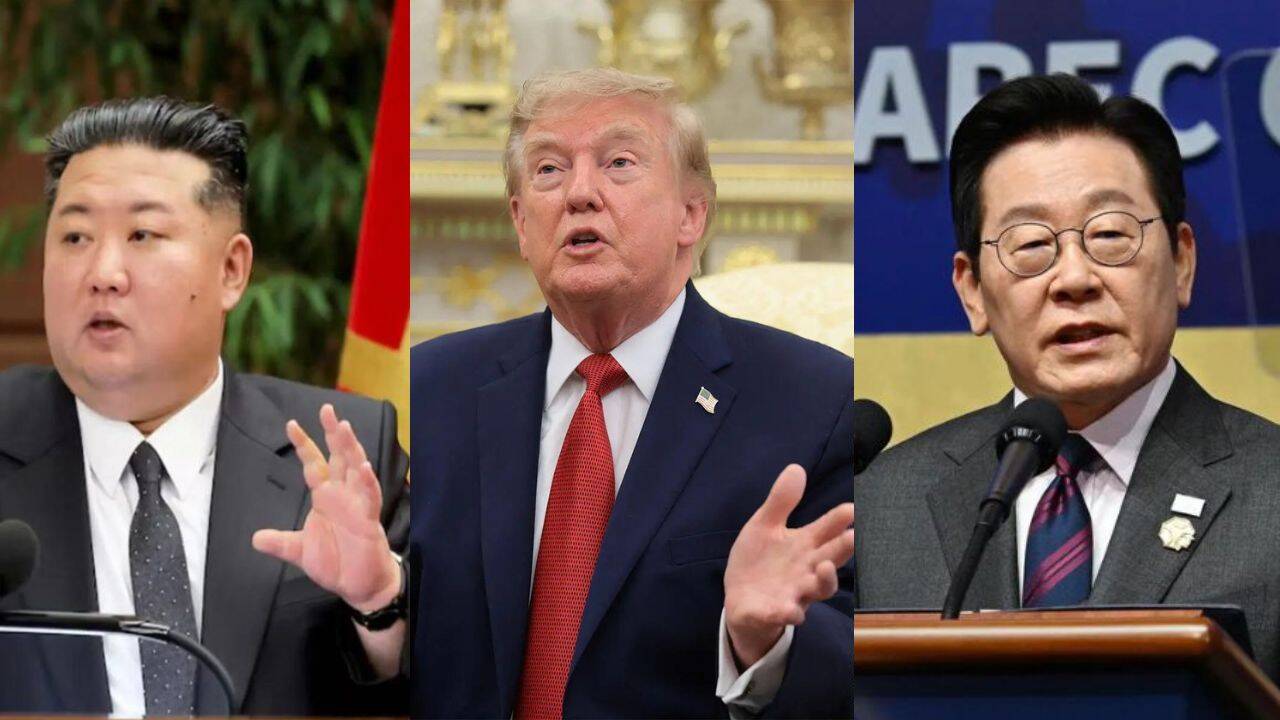
Washington's political landscape changes the calculus. Donald Trump's return to the White House brings a familiar dynamic back to the Korean Peninsula. Trump previously met Kim Jong Un three times, including a historic 2019 handshake at the inter-Korean border.
While those high-profile summits ultimately collapsed without a binding pact, they established direct communication lines that traditional bureaucrats could never replicate. Seoul is banking on that past relationship. The pitch to Washington is simple: use personal diplomacy to lock in a freeze deal while there is still a window to stop the worst-case scenarios.
What is the worst-case scenario? Proliferation. A confident, cash-strapped North Korea might eventually decide to export nuclear technology or ballistic missiles to non-state actors or rogue regimes for quick cash. Stopping production now prevents a far deadlier black market from emerging tomorrow.
The Steep Hurdles Ahead
Negotiating any deal with Pyongyang is notoriously difficult. North Korea has repeatedly broken past agreements, cheated on inspections, and pocketed concessions while secretly continuing enrichment activities.
Skeptics point out that Kim Jong Un has zero intention of giving up his ultimate deterrent. Even a freeze agreement would require intense verification mechanisms that Pyongyang historically resists. Trust is entirely absent on both sides.
Yet, the alternative is worse. Continuing a policy of total neglect while North Korea's fissile material stockpiles compound guarantees a more dangerous future. A phased approach trades perfection for progress.
Stop expecting total disarmament overnight. Expect hard compromises, messy negotiations, and high stakes. The conversation has finally shifted from fantasy to management, and that changes everything.