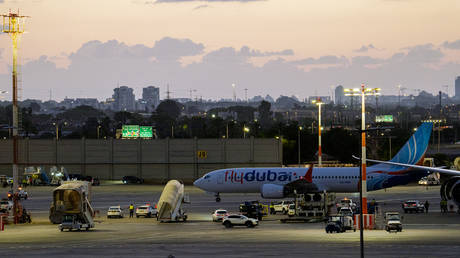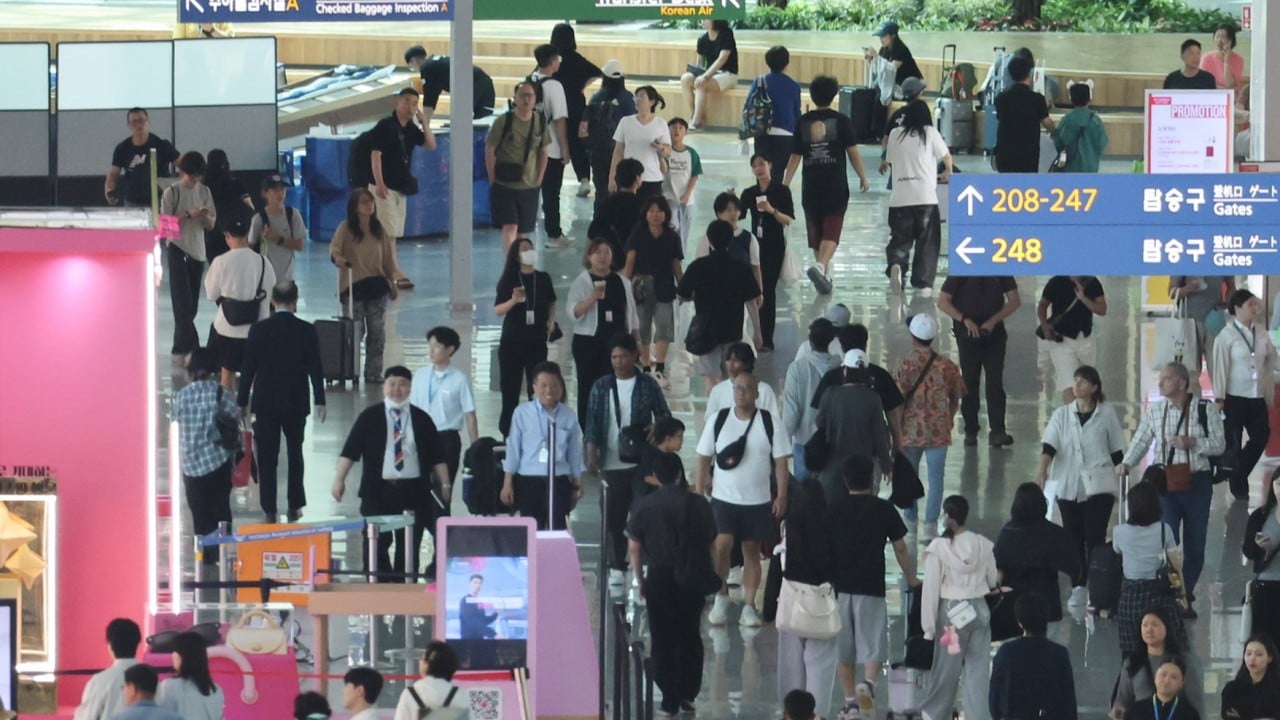
When you picture airport holding areas, gourmet dining rarely comes to mind. Yet South Korea is currently tangled in an administrative dispute over whether individuals awaiting deportation deserve an upgrade from simple bread and juice to actual airline meal boxes.
The Incheon Airport Immigration Office, operating under the Ministry of Justice, floated a proposal to provide these in-flight meal boxes—costing roughly US$5 each—to foreign nationals held in departure waiting areas. Right now, guards hand out basic bread and packaged drinks purchased locally. This modest menu sparked a fierce debate among government officials, dividing frontline workers who worry about security risks from those who argue basic human dignity requires a warm, proper meal.
The Reality of Waiting Areas at Incheon Airport
Let's look at how the system actually works. When foreign nationals are ordered to leave South Korea due to immigration violations, local offices process their cases and transfer them directly to Incheon International Airport. They stay in designated holding zones until their scheduled flights depart.
For hours or even days, these detainees sit in limbo. Historically, officers grabbed whatever was cheap and shelf-stable. Bread, pastries, and juice boxes kept people fed without requiring kitchen facilities or complex logistics in secure zones.
The Incheon immigration authorities looked at this routine and decided it needed fixing. They argued that airline-style boxed meals offer a practical solution. They are pre-packaged, portion-controlled, easy to store, and simple to distribute inside a secure airport facility.
Why Frontline Officers Are Pushing Back
Bureaucrats in offices far from the gates might see this as a simple logistical upgrade, but frontline immigration officers see potential danger. Security is the main argument against the plan.
Handling meals means handing out items that could theoretically be misused. Plastic cutlery, foil lids, or hard packaging components raise red flags for guards who manage volatile crowds in confined spaces. Deportees facing forced removal are often under extreme stress, and tensions can boil over quickly. Officers argue that introducing complex meal packaging creates unnecessary security hazards during transit holding periods.
Beyond safety, a philosophical disagreement drives the pushback. Some officials question the optics of spending state funds on commercial-grade meal boxes for people who broke immigration laws. They ask why violators should receive airline food when ordinary citizens or taxpayers might view it as too lenient.
The Human Dignity Angle
On the flip side, supporters of the plan point to basic humanitarian standards. Eating bread and drinking juice for hours or days while locked in a waiting room strips away fundamental decency. South Korea faces growing international scrutiny regarding its immigration detention conditions and human rights records.
Providing a structured, proper meal isn't about luxury. It's about basic standards of treatment. A five-dollar meal box offers a semblance of normalcy and nutrition during a deeply stressful administrative process. Proponents argue that a civilized nation should maintain minimum standards of care regardless of a person's legal standing or visa status.
What Happens Next
The Ministry of Justice faces a delicate balancing act. They must weigh the practical convenience and human decency of upgrading food service against the genuine operational fears raised by security personnel.
As immigration policies tighten globally, small administrative decisions like this reveal the friction points between state control and human rights. Whether the airline meal boxes clear customs and make it to the waiting room tables remains to be seen. The debate proves that even the smallest menu change can expose deep ideological splits within government ranks.