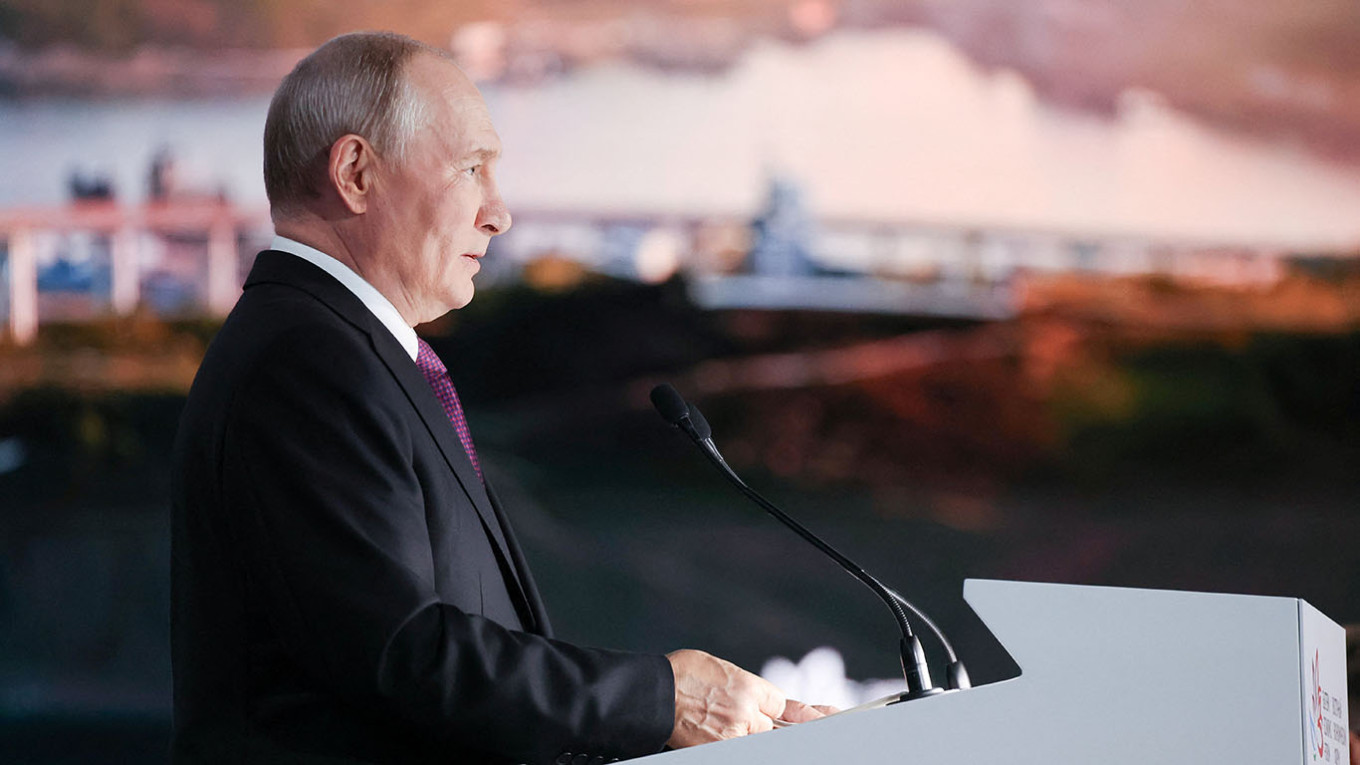
The numbers are officially in, and surprise is entirely off the table. President Vladimir Putin's United Russia party has secured a dominant majority in the country's lower house, grabbing roughly 355 seats out of 450 in the State Duma. This marks a record-setting performance for the ruling party in the first parliamentary vote held since the full-scale conflict in Ukraine began.
If you expected a political plot twist, you haven't been paying attention. But looking past the predictable headline reveals fascinating shifts underneath the surface of Russian domestic politics.
What the Numbers Actually Tell Us
With over ninety percent of ballots counted, the Central Election Commission announced that United Russia pulled in nearly 58 percent of the party-list vote. Turnout hit close to sixty percent—the highest recorded for parliamentary cycles since 2003.
The Communist Party trailed far behind in second place, holding a fraction of the seats. Meanwhile, other Kremlin-approved factions like the Liberal Democratic Party, New People, and A Just Russia carved up the remaining crumbs.
You can read the granular breakdown of the tally over at The Moscow Times.
The Managed Opposition Illusion
Let's be clear about how this landscape functions. Genuine anti-war candidates and systemic critics faced total exclusion long before the first ballot box opened. The Supreme Court effectively barred the liberal Yabloko party from the party-list ballot. Independent watchdogs like Golos have been neutralized or shut down entirely, while foreign governments and organizations like the European Union have dismissed the process as a heavily controlled theatrical exercise.
Instead of a battle of ideas, the ballot featured a carefully curated list of parties that all back the core tenets of the Kremlin's foreign policy. Yet, ignoring these votes as mere decoration misses the point. Political analysts note that the Kremlin uses these cycles to measure public sentiment, test regional loyalties, and manage internal elite friction.
For a deeper look at the geopolitical context and the hurdles faced by alternative voices, check out the reporting from Al Jazeera.
The Rise of Military Veterans in Parliament
One striking detail of this cycle is the makeup of the incoming lawmakers. Dozens of military veterans who served in Ukraine are stepping straight from the front lines into legislative seats.
This isn't an accident. Integrating combat veterans into the political apparatus signals a sharp pivot in elite recruitment. The state is actively rewarding those who participated in the wartime economy and military effort, reshaping the domestic power structure for years to come.
Why This Matters Moving Forward
A supermajority means United Russia keeps its unchallenged ability to push through constitutional changes without needing coalition partners. The domestic political road ahead is locked down tight. Dissent remains heavily policed, and the legislative branch functions as an echo chamber for executive priorities.
Watch how these new veteran lawmakers influence policy. The real story isn't whether Putin's party won—everyone knew they would. It is how the internal power dynamics within the ruling elite adapt as the wartime economy grinds onward.
Ukrainian drone attack overshadows Russia's parliamentary election as Putin's party leads
This video is relevant because it covers the unfolding events of the parliamentary vote alongside major security developments in the region.