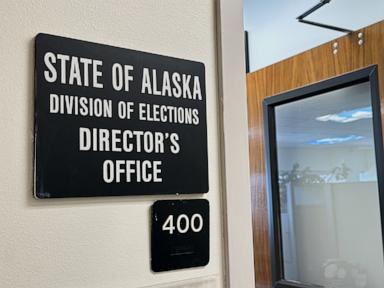
Geography shouldn't disenfranchise you, but in remote parts of Alaska, it basically does. When election officials announced that dozens of absentee in-person ballots arrived too late to be counted in last month's primary election, it wasn't a shocking surprise. It was a predictable symptom of a logistical nightmare that repeats itself cycle after cycle.
Seventy-five ballots from rural western communities didn't make the statutory deadline, according to reports highlighted by KARE 11. Small hubs like Kotzebue, Igiugig, and Naknek bore the brunt of the delay, racking up 62 of those uncounted votes. If you cast your ballot weeks ahead of time, you expect it to land where it needs to go. Instead, unreliable transit routes and sluggish mail processing leave valid votes sitting in transit while strict cutoff dates pass you by.
The Reality of Bush Mail and Logistics
Most communities in the Last Frontier aren't connected to any highway system. Bush planes, small boats, and unpredictable weather dictate whether mail moves or stays put. When you drop an absentee ballot into a local post office box in a remote village, it doesn't hop on a direct commercial flight. It weaves through regional postal hubs, subject to delays that lower-48 voters never have to think about.
The Alaska Division of Elections relies on an established grace period for in-state mail, but even that window has limits. When mail sorting policies shift or local flights get grounded by storms, the math simply stops working. Voters follow every rule, stand in lines, sign their envelopes, and mail their forms early, only to get disqualified because a delivery truck or cargo plane ran behind schedule.
Fixing the Pipeline or Band-Aiding the System
Officials are trying to adapt. The state announced plans to reroute absentee in-person ballots from western communities directly through Anchorage rather than regional processing points like Nome. It's a sensible adjustment designed to streamline how materials travel across vast expanses of wilderness.
Advocacy groups point out that missed deadlines breed deep cynicism. When rural residents make a clear effort to participate and their votes end up tossed out strictly due to transit failures, trust in the process takes a hit.
If you're voting from a remote area, relying on standard postal timelines is a gamble. Smart planning means sending paperwork back the moment you receive it, or looking into alternative options like electronic delivery and tracking if available in your jurisdiction. Check your local updates directly through the Alaska Division of Elections portal to understand current transit windows before the next major voting cycle arrives.