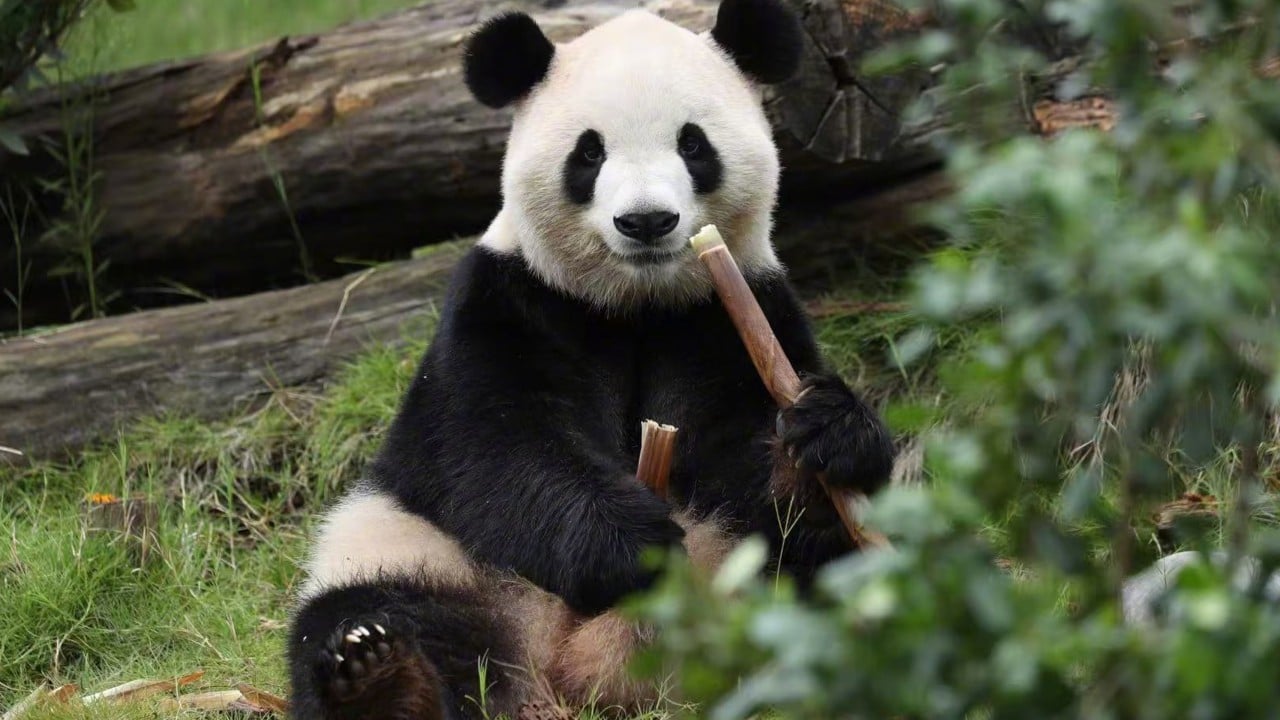
Two bears just boarded a flight and changed the tone of US-China relations.
Giant pandas Ping Ping and Fu Shuang touched down under a brand new ten-year loan agreement, bringing the iconic black-and-white mammals back to Zoo Atlanta. If you've been following wildlife conservation politics, you know Atlanta has been entirely without pandas since late 2024, when the facility's previous residents packed their bags and headed home. Now, a fresh diplomatic chapter begins.
The announcement came straight from Chinese President Xi Jinping during a high-stakes three-day summit in Washington with US President Donald Trump. While political analysts spent days picking apart the lack of breakthroughs on long-standing economic and geopolitical disputes, this animal exchange emerged as one of the few tangible, feel-good deliverables of the visit.
Who Are Ping Ping and Fu Shuang?
Let's look past the political headlines. Who are these new arrivals?
Born in 2020 at the Chengdu Research Base of Giant Panda Breeding, both animals are in their prime adulthood. Ping Ping is the male, recognizable by his striking, dark black circles around his eyes. Fu Shuang is the female, distinguished by a slightly protruding forehead.
Before their big move, handlers packed an elaborate in-flight menu for the 15-hour journey aboard a chartered FedEx Boeing 777. Steamed corn buns, fresh bamboo shoots, and carrots kept them nourished as flight trackers watched the aircraft approach Alaska halfway through its voyage.
This isn't just about a cute zoo exhibit. It's the latest iteration of a decades-long conservation arrangement between Zoo Atlanta and the China Wildlife Conservation Association.
The Real Politics Behind Panda Diplomacy
You can't talk about giant pandas without talking about geopolitics. Beijing has used these loans as a soft-power tool for generations. When international relations warm up, pandas arrive. When tensions flare and agreements lapse, the bears go home.
Consider what happened over the last few years. Major American zoos watched their panda populations dwindle as older loan contracts expired. The National Zoo in Washington famously waved goodbye to its pandas in 2023, though it managed to welcome a new pair, Bao Li and Qing Bao, in late 2024. San Diego also welcomed new arrivals around the same time.
Atlanta, meanwhile, sat empty for months after losing Lun Lun, Yang Yang, Ya Lun, and Xi Lun back in 2024, ending a quarter-century partnership. When the new agreement was first floated in April, local zoo officials celebrated the news without a firm timeline. Now, the timeline is reality, and the cages are ready.
What This Means for Visitors and Conservation
If you plan to visit Zoo Atlanta soon, expect massive crowds. The return of giant pandas always triggers a local tourism boom. But beyond the ticket sales and photo ops, modern panda conservation is a high-tech science.
Breeding programs in Chengdu have pulled the species back from the absolute brink of extinction, shifting their status from "endangered" to "vulnerable." Zoos pay millions in conservation fees that directly fund wild habitat protection, anti-poaching patrols, and research in Sichuan province.
You're looking at a system that works, even if it's wrapped in layers of statecraft.
Check Zoo Atlanta's official visitor guidelines before you make the trip, as crowd control measures will likely be in place during the initial settling-in period for Ping Ping and Fu Shuang.