International pressure on Islamabad is mounting. During the 63rd session of the United Nations Human Rights Council in Geneva, global human rights monitors put Pakistan's internal security and governance practices under a harsh microscope, spotlighting ongoing crises in Balochistan and the routine persecution of religious minorities.
If you've been following South Asian geopolitics, you know these aren't isolated complaints. They represent a systemic pattern of civil rights abuses that activists say Islamabad keeps sweeping under the carpet.
Let's break down what actually happened at the UNHRC and why these discussions matter right now.
The Rising Alarm Over Balochistan
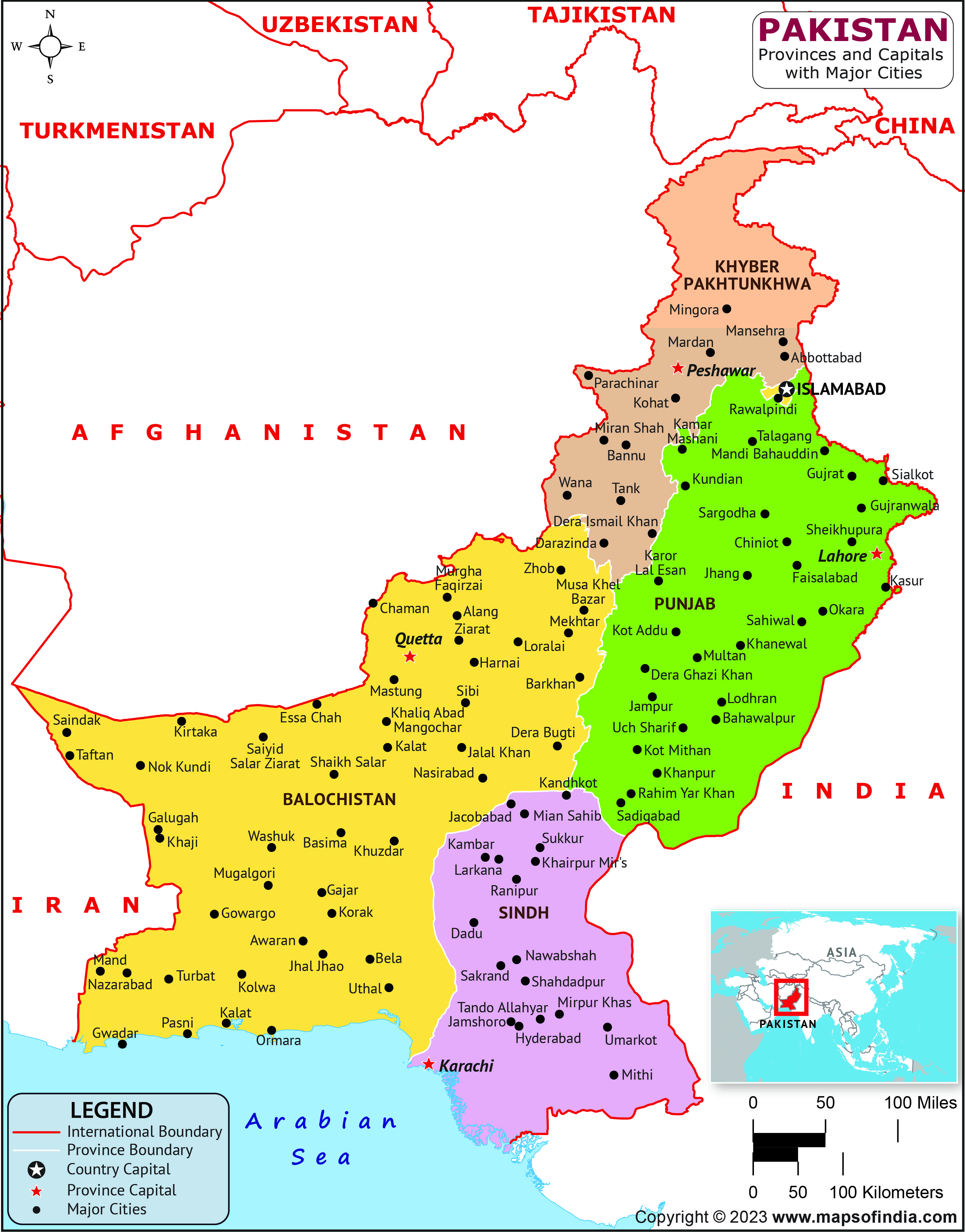
The situation in Pakistan's largest and most resource-rich province remains critical. Activists and human rights defenders used the UN floor to demand immediate international intervention, pointing to staggering figures that expose the scale of the crisis.
Diana Stephanie Dehimat, speaking during the General Debate under Agenda Item 4, didn't hold back. She raised urgent concerns regarding Dr. Sabiha Baloch of the Baloch Yakjehti Committee, warning that prominent activists face constant threats of arbitrary arrest, forced disappearance, or extrajudicial execution simply for documenting state actions.
The numbers cited at the council paint a grim picture. Documentation compiled by PAANK indicates that 2025 alone saw:
- 1,223 documented cases of enforced disappearances in Balochistan.
- 188 extrajudicial killings.
- Civilian casualties, including children, resulting from aggressive military operations in local communities.
Activists also highlighted the legal persecution of other high-profile figures, including BYC leaders Dr. Mahrang Baloch and Sibghatullah Shah, who are serving severe prison sentences following judicial proceedings that independent observers argue lacked basic due process.
The Plight of Religious Minorities
Beyond the geopolitical friction in Balochistan, international delegates turned their attention to the shrinking space for religious minorities inside Pakistan. Representatives from organizations like United for Human Rights brought forward evidence showing that non-Muslim communities—including Hindus, Christians, Sikhs, and the Kalash—continue to face systemic discrimination and violent attacks.
Minority communities account for roughly 3.5 percent of the country's total population, yet they bear the brunt of sectarian tension. The memory of the August 2023 violence in Jaranwala, Punjab, remains raw. During those riots, dozens of Christian homes and multiple churches were torched following unverified allegations of blasphemy. Human Rights Commission of Pakistan reports noted that mosque loudspeakers were weaponized to incite crowds during the attacks.
The targeting hasn't stopped at Christian neighborhoods. Recent months have seen:
- Attacks on Hindu temples in Punjab.
- The desecration of 76 gravestones in Kotli, Kashmir.
- The fatal shooting of an elderly Sikh couple in mid-2026.
Speakers at the UN urged the council to hold Islamabad accountable under specific articles of the International Covenant on Civil and Political Rights, which guarantee freedom of thought, conscience, religion, and equal protection under the law.
What Happens Next
Raising issues at the UNHRC creates diplomatic friction, but translating Geneva debates into domestic policy changes in Islamabad is notoriously difficult. The Pakistani state routinely denies allegations of state-sponsored disappearances, often framing regional unrest in Balochistan as a security challenge driven by external actors.
However, the documentation by groups like PAANK and testimony from grassroots defenders make it harder for authorities to ignore the human cost. Accountability won't happen overnight. For now, the focus shifts to whether international bodies will move beyond verbal condemnation and launch independent investigations into the missing persons crisis.