Parliament Hill is back in session, and the federal government is moving fast to overhaul the Canada labour code. If you run a business, work in a federally regulated sector, or belong to a union, this is a big deal. Prime Minister Mark Carney and his cabinet are putting the finishing touches on legislation that will fundamentally alter how work stoppages, strikes, and lockouts are handled across the country.
Why the sudden rush? Ottawa wants to stop stepping in at the eleventh hour every time a major port, railway, or airline hits a wall. But organized labour is already pushing back hard.
Let us break down what is actually changing, who it affects, and why both sides are furious.
What Is Changing in the Canada Labour Code
The core of the upcoming legislative push targets Section 107 of the Canada Labour Code. Right now, this section gives the federal government sweeping powers to step in, halt a strike or lockout, and force binding arbitration through the Canadian Industrial Relations Board.
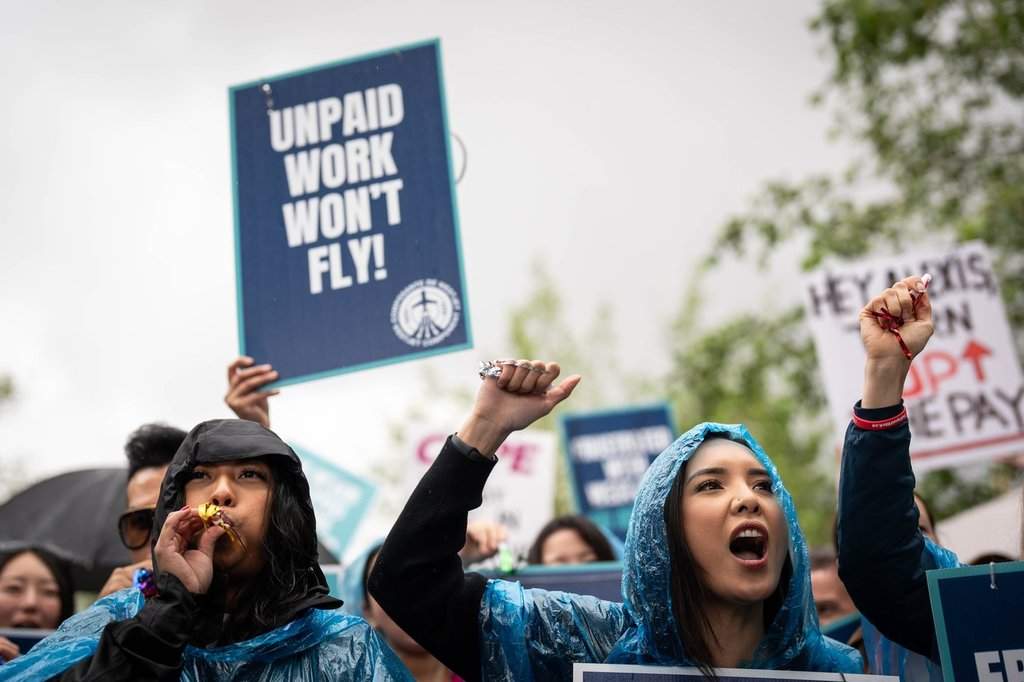
We saw this playbook last summer when Jobs Minister Patty Hajdu used Section 107 hours after Air Canada flight attendants walked off the job. It was messy. Workers stayed on the picket lines anyway until a deal materialized days later, exposing the limits of Ottawa's heavy-handed tactics.
Government House Leader Steven MacKinnon insists the goal isn't to strip workers of the right to strike. Instead, Ottawa claims they want to make collective bargaining easier by injecting federal mediation resources earlier.
The real intention? Reduce the frequency of chronic bargaining breakdowns that force the cabinet to act as an emergency mediator for private-sector giants.
The Battle Lines Between Business and Labour
Unions and corporate lobbies are reading the tea leaves, and neither side is thrilled with the government's direction.
Bea Bruske, president of the Canadian Labour Congress, didn't mince words. She argues that any new mechanism allowing Ottawa to pre-emptively shut down or block a legal strike fundamentally guts worker leverage. When workers go to the bargaining table, they need real leverage to secure fair wages and safety standards. Tying their hands before negotiations even collapse defeats the entire purpose of free collective bargaining.
On the flip side, employers want more predictability. Derrick Hynes, CEO of Federally Regulated Employers-Transportation and Communications, points out that Canada needs concrete tools to prevent catastrophic economic supply chain disruptions. Business groups are pushing for neutral, third-party special mediators who can issue public reports on stalled talks to pressure both sides into a deal before picket lines go up.
Why This Matters for the Broader Economy
Federal lawmakers are trying to juggle too many priorities at once this fall. Alongside these labour changes, Carney's government is pushing the "Building Canada Strong Act" to speed up infrastructure reviews, aiming for a streamlined one-year approval window. They are also staring down a potential federal budget next year and lingering tensions over trade policy with the United States.
When supply chains freeze, the whole country feels it. Ports close, goods pile up on docks, and small businesses suffer collateral damage. Ottawa is desperate to avoid looking weak or reactive during high-stakes corporate standoffs.
Yet, forcing binding arbitration or adding bureaucratic roadblocks to strikes risks alienating millions of unionized workers who view these changes as an attack on core democratic rights.
If you are negotiating a contract in aviation, rail, telecommunications, or shipping over the next twelve months, expect the rules of engagement to shift. Keep a close eye on how Parliament structures these amendments, build buffer time into your operational planning, and prepare for tighter federal oversight on labour disputes.