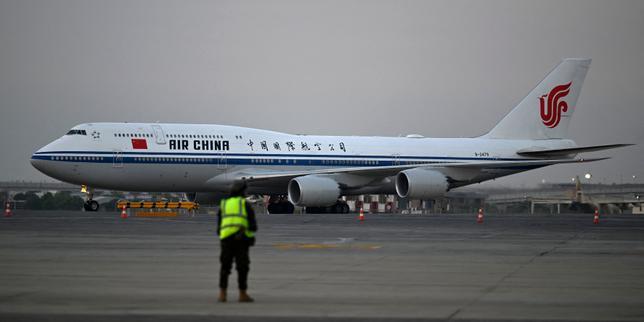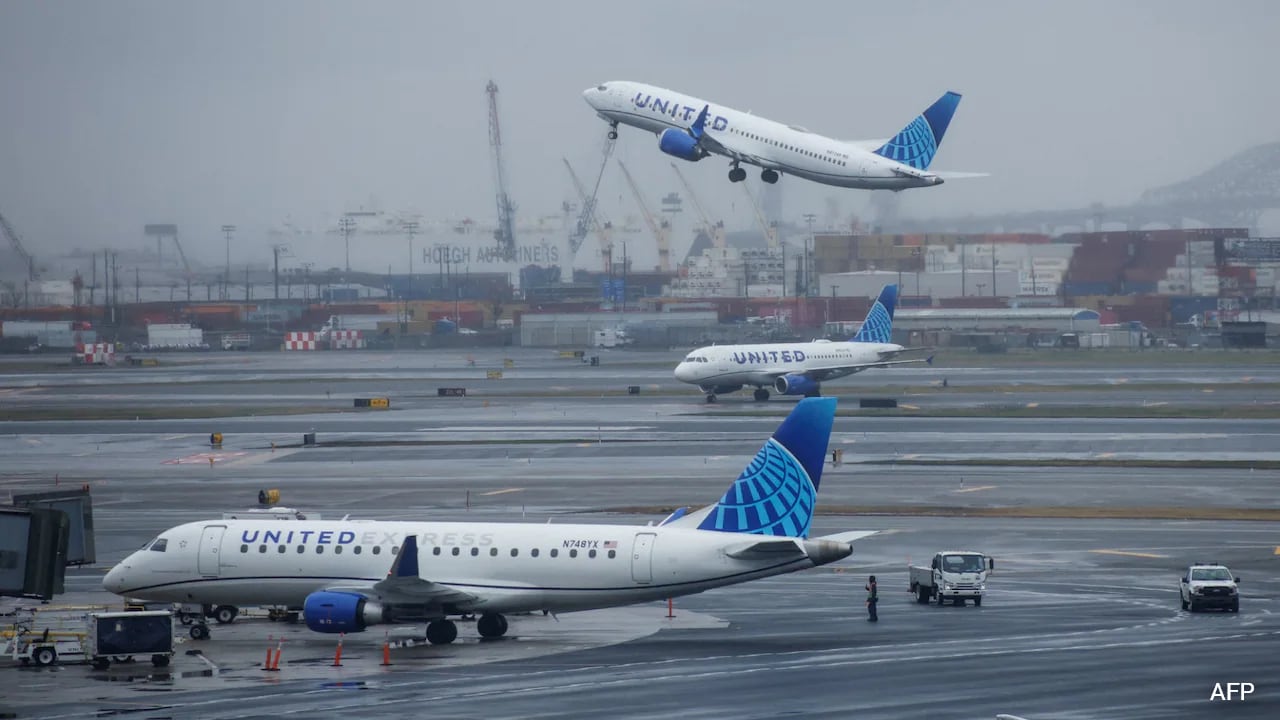
Planes stay on the tarmac. Passengers scroll endlessly on their phones. Gate agents shrug.
All because a construction crew somewhere in New Jersey accidentally clipped a single fiber-optic cable.
If you were trying to fly through the US Northeast recently, you already know the frustration. Hundreds of US flights got canceled or delayed because of an air traffic control telecom outage. It sounds absurd. How can a multi-billion-dollar aviation network grind to a complete halt because of a shovel or a drill bit?
Welcome to the fragile reality of modern infrastructure.
The Anatomy of a Ground Stop
Transportation Secretary Sean Duffy laid out the blame on social media after the chaos hit. An Amtrak construction crew accidentally cut into a fiber line in New Jersey. That single mistake severed critical telecommunications. The Federal Aviation Administration had no choice. They slapped a pause on flights into major hubs like Newark Liberty International and John F. Kennedy International Airport, while LaGuardia and Philadelphia slowly scrambled to resume operations.
Flight tracking data showed the immediate wreckage. Newark logged nearly 170 cancellations and close to a hundred delays in just a few hours. Philadelphia saw dozens of canceled flights and hundreds of rolling delays.
When the primary feed went dark, the system should have flipped instantly to a backup. That is how redundancy works in theory. In practice, things are messier.
Why Backups Fail When You Need Them Most
FAA head Bryan Bedford later admitted a terrifying detail during a press briefing. The primary line failed, which was bad enough. Then they discovered the backup fiber line had also suffered a break.
A massive rupture on a redundant line, triggered by the exact same construction mistake or an adjacent error, wiped out the safety net. You build a dual-path system to prevent total blackouts. You assume lightning won't strike twice. But human error with heavy machinery does not care about redundancy plans.
Fixing the primary system took hours, but repairing a severed backup line required a massive effort spanning close to half a day. Travelers caught in the middle paid the price with missed connections, stranded vacations, and canceled business meetings.
The Real Cost of Fragile Infrastructure
We talk constantly about advanced aviation tech, AI routing, and futuristic control towers. Yet the entire apparatus rests on physical copper and glass buried underground.
When you look at past meltdowns, a pattern emerges. Software glitches, outdated FAA computer systems, and accidental physical cuts cause far more chaos than weather or security threats. Every time a backhoe digs where it shouldn't, thousands of people lose control of their schedules.
Airlines will rebook you eventually. Travel insurance might cover a hotel room if you read the fine print. But you are still stuck waiting in an overcrowded terminal.
What You Can Do About It
You cannot stop construction workers from slicing through underground lines. You can, however, change how you book critical travel.
Always pick the first flight of the day if you have tight connections. Delays compound as the clock ticks forward. Morning flights usually depart before a system glitch or an airport backup has time to snowball. Keep backup tracking apps on your phone so you know about ground stops before the gate agent makes an announcement.
Infrastructure failures will happen again. Keep your expectations low and your schedule flexible.