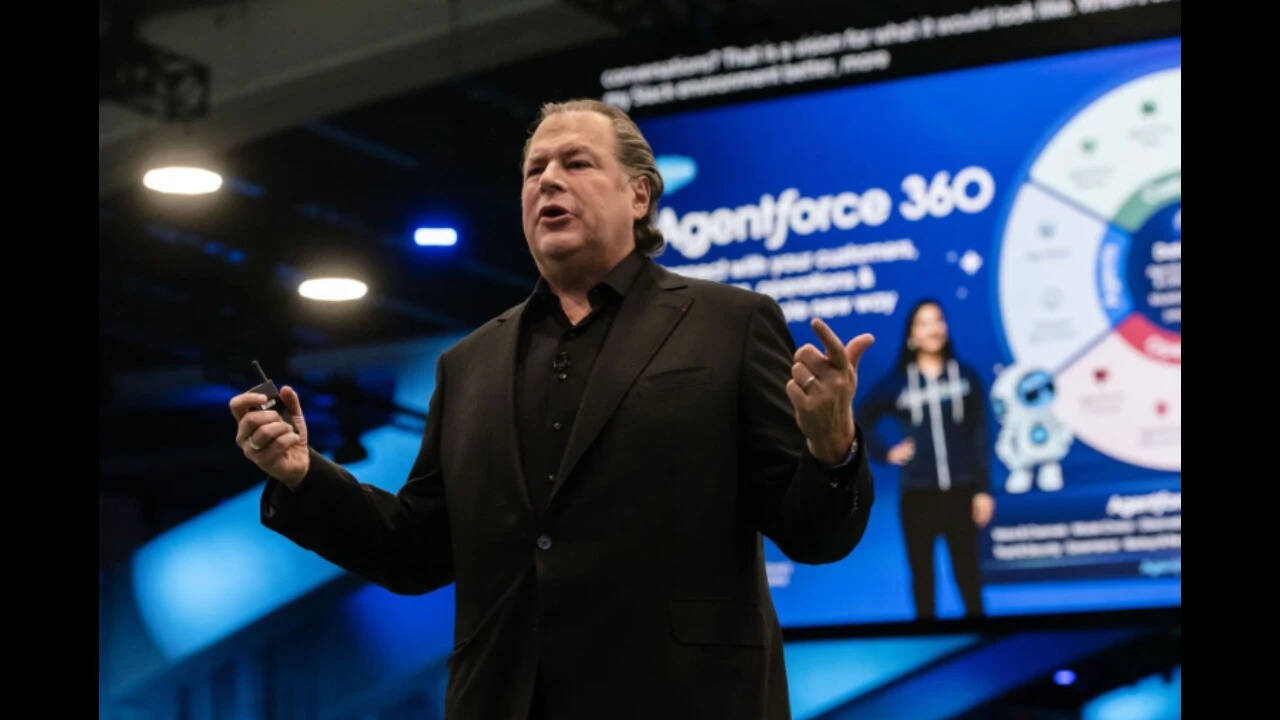
When a tech billionaire starts buying up massive swaths of rural Hawaii, local residents panic. You can't blame them. For years, outsiders have treated paradise like a playground, driving up housing costs and squeezing out multi-generational families. When Salesforce CEO Marc Benioff and his wife, Lynne, quietly scooped up over 600 acres on the Big Island worth nearly $100 million, the predictable storm of rumors hit. People wondered if a secret tech campus was coming or if another billionaire was building an apocalypse bunker.
Instead of building a fortress, they handed 440 acres over for affordable housing.
The Reality Behind the Land Grab
Let's look at the numbers without any spin. Since 2000, the Benioffs steadily bought property in and around Waimea, a tight-knit agricultural town on Hawaii's Big Island. But the pace changed drastically after 2020. They used anonymous LLCs and a nonprofit to buy 38 separate parcels.
Media investigations and local records showed why residents grew suspicious. Median home prices in Waimea crossed the million-dollar mark, sitting roughly 87 percent higher than pre-pandemic levels. When outside wealth floods an isolated island market, young local couples get priced out completely. Senator Tim Richards put it bluntly when talking to reporters: what young couple can afford a million-dollar home? Nobody.
So when a tech titan starts buying commercial plots—like the one housing the iconic local Mamane Bakery, which subsequently closed—red flags fly everywhere. People expected the worst.
Turning Real Estate Into Relief
Billionaire philanthropy often comes with heavy PR strings attached. Yet the scale of what happened next caught critics off guard. Rather than hoarding coastal views or commercial lots for personal gain, the couple partnered with the Hawaii Island Community Development Corp. (HICDC).
They didn't just write a check. They donated 282 acres initially, followed by another 158 acres in mid-2024, totaling 440 dedicated acres. This land anchors the Ouli Project in Waimea. The master plan starts immediately with 43 self-help affordable housing units, single-family homes, parks, and community gathering spaces designed explicitly for low- to moderate-income residents.
Keith Kato, the executive director of HICDC, made it clear that local housing needs couldn't wait. Without this land donation, jumping through the bureaucratic and financial hoops to build community-scale housing on the Big Island right now is practically impossible.
Private Holdings Versus Public Good
Of course, it wasn't a 100 percent charitable giveaway. Transparency matters here. Out of those 38 acquired parcels, about 165 acres across 24 parcels remain set aside for private family use, including a ranch with horses and residential homes. Furthermore, five residential properties were gifted to a private local school in Waimea.
Benioff has actively pushed back against being lumped in with other tech figures buying up massive compounds in Hawaii. In interviews, he insists they only bought what they needed for a family home and community support, explicitly stating he isn't preparing a doomsday bunker.
What We Can Learn From This Model
Billionaire land acquisitions usually end in gated exclusivity. This specific case offers a different blueprint for dealing with regional housing crises. If high-net-worth individuals are going to buy up rural land during a housing crunch, direct partnerships with local community development corporations can offset the displacement damage.
Affordable housing projects don't fix systemic island economics overnight. Median prices remain high, and local anxiety about mainland influence won't vanish because of 43 starter homes. Still, turning 440 acres into actual roofs for working families beats another empty luxury resort every single time. Stop treating every land purchase as an inevitable doom scenario, but hold buyers accountable to the communities they enter.


:max_bytes(150000):strip_icc()/2445301_beste_022_0-eae0c6e7188b4581b79740fd9782b60f.jpg)