Diplomacy is supposed to rely on careful words, restrained body language, and professional calm. But sometimes, a politician forgets the microphone is live and the cameras are rolling. That is precisely what happened when Pakistan's defense minister resorted to a violent threat on foreign soil instead of answering a basic policy question.
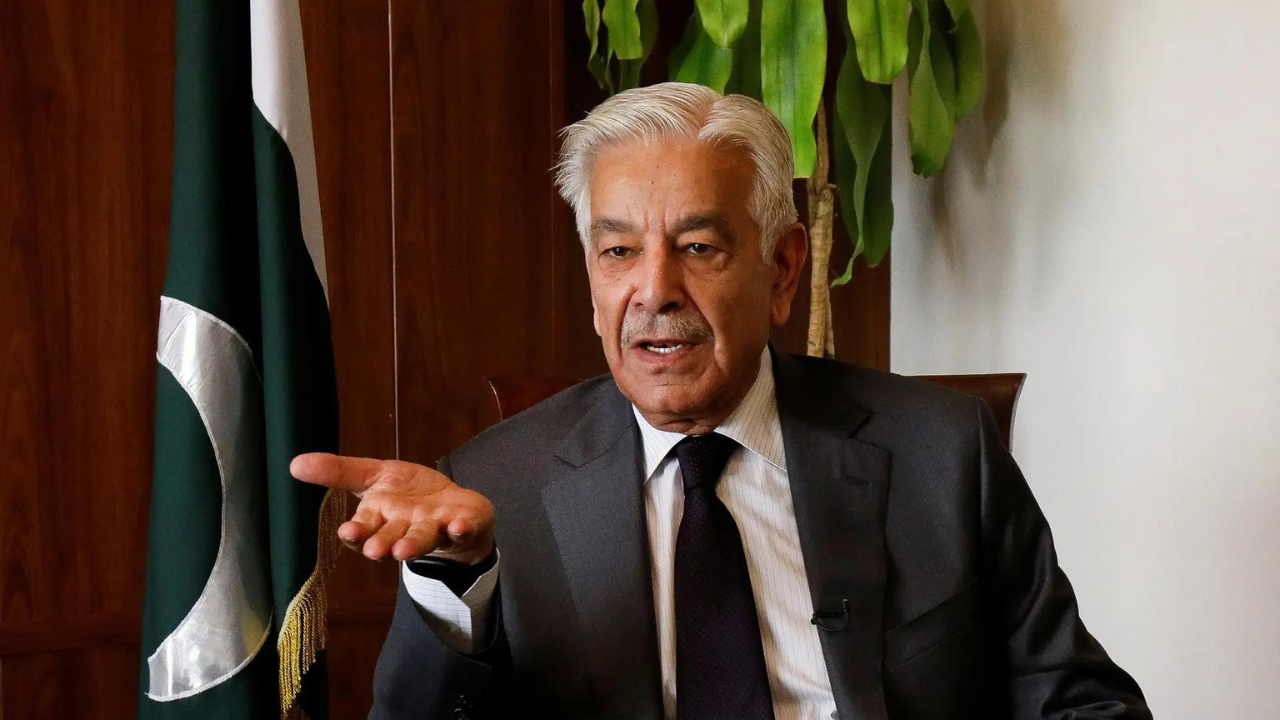
When an Afghan woman journalist asked Khawaja Asif about Islamabad's past support for the Taliban and their current restrictions on Afghan women, she expected an official response. Instead, she got a menacing hand motion across the neck and a chilling warning.
The Incident That Sparked Global Outrage
The confrontation took place on the sidelines of the United Nations General Assembly session in New York. The reporter pressed the Pakistani delegation on a straightforward issue. She asked what message Islamabad had for the Taliban regarding their draconian policies toward women, and why Pakistani authorities had previously treated the regime as allies without challenging human rights abuses.
Rather than addressing the substance of the query, Asif interrupted her. He pointed directly at her attire and delivered an intimidating remark: "Don't go back like this over there. They will... otherwise they will..."
While speaking, he dragged his hand across his throat to simulate execution. Worse still, the men standing alongside him laughed at the gesture.
Why This Goes Beyond a Simple Gaffe
This isn't just an awkward media moment or a slip of the tongue. It highlights a darker reality about how certain regional leaders view dissent, journalism, and the safety of women.
By making a throat-cut gesture toward an Afghan journalist, the defense minister essentially acknowledged the lethal dangers women face under Taliban rule in Afghanistan. But instead of condemning those dangers, he used them as a subtle threat to intimidate a reporter doing her job. Observers on social media quickly pointed out the disturbing nature of the response. A journalist asking about systemic oppression deserves facts and accountability, not physical intimidation and mockery from state representatives.
The Broader Geopolitical Flashpoint
This diplomatic scandal didn't happen in a vacuum. It unfolded against a backdrop of escalating cross-border violence between Pakistan and Afghanistan.
Just around the time of the UN gathering, Islamabad launched aerial and drone strikes inside eastern Afghanistan, claiming to target militant hideouts used for cross-border drone attacks. The ruling authorities in Kabul condemned the strikes as a blatant violation of sovereignty, reporting multiple casualties among civilians and former security personnel.
When regional tensions run high, government officials often try to project strength. But resorting to physical intimidation against a journalist at an international summit reveals a profound lack of composure. It shows that officials accustomed to domestic crackdowns struggle to maintain diplomatic decorum when faced with independent questioning abroad.
Accountability and the Future of Press Freedom
Incidents like this expose the fragile state of press freedom in South Asia and the immense risks reporters face when covering complex geopolitical conflicts. Afghan journalists, particularly women who have been forced into exile or operate under extreme duress, continue to face threats for simply seeking the truth.
When senior government ministers treat violent threats as a casual joke, it normalizes hostility toward the media. True leadership requires answering tough questions with transparency, not mimicking execution styles on camera. The backlash has made it clear that public figures can no longer hide behind closed doors or brush off intimidation tactics as harmless banter.
Look closely at how leaders react under pressure. Their true character usually surfaces the moment they are asked a question they cannot spin.