Cross-border blame games rarely tell the whole story. When Islamabad points fingers across the Durand Line, claiming that the Tehreek-e-Taliban Pakistan operates with absolute impunity from Afghan soil, you're hearing just one side of a deeply entrenched geopolitical standoff. The reality on the ground is messier, more violent, and vastly closer to Pakistan's own urban centers than official press briefings suggest.
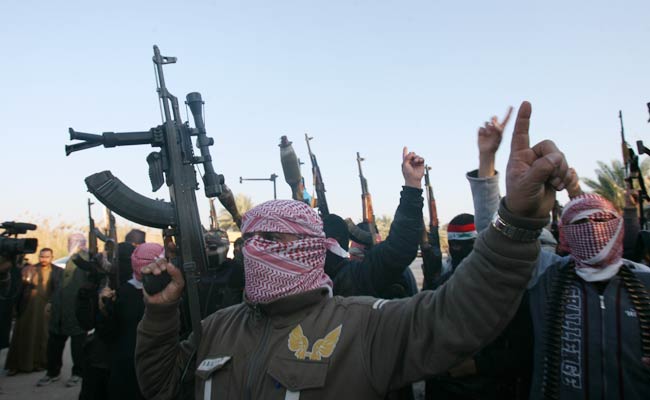
Recent statements from senior TTP leadership, specifically remarks from Mufti Ghafran in a Pashto-language interview, shatter the neat narrative that cross-border infiltration is the sole source of Pakistan's security woes. Instead of hiding exclusively in remote Afghan mountain caves, the TTP claims its operational footprint spans at least thirty-nine districts inside Pakistan itself.
Beyond the Border Wall
For years, the official line from Islamabad rested on a heavy-handed security thesis: seal the border, put up concrete and wire, lay landmines, and choke off the TTP at its Afghan source. Billions of dollars went into fortifying the frontier. Yet attacks on security personnel kept ticking upward.
Why? Because the militants argue they don't need a nightly commute across a heavily surveilled international boundary. According to Ghafran, active cells and administrative structures operate deep within Pakistani territory, stretching far beyond the traditionally restive tribal regions into parts of Punjab, Sindh, Balochistan, and Khyber Pakhtunkhwa.
When fighting flares up in areas hundreds of kilometers away from Afghanistan, like recent skirmishes in Hangu, it becomes harder for the military establishment to maintain that every bullet fired originates from Kabul. The security apparatus faces a domestic insurgency that has metastasized well past the borderlands.
The Regional Chessboard and Delhi
Islamabad has long accused external actors of stoking domestic unrest, with state rhetoric routinely pointing a finger at Indian intelligence agencies. It is a politically convenient tool designed to rally domestic nationalism and deflect from internal policy failures.
The TTP flatly denies any institutional backing from New Delhi, insisting that its insurgency is self-financed through local networks and internal taxation. Whether you believe the militant group's denials or not, independent security analysts have repeatedly pointed out that the drivers of the TTP's rebellion are homegrown. Decades of shifting alliances, broken ceasefires, and heavy-handed military operations in Pakistan's western provinces created a deep reservoir of local grievance that no foreign actor manufactured.
Blaming external capitals avoids an uncomfortable reckoning. If the insurgency draws oxygen from domestic governance gaps, economic despair, and alienation among Pashtun and Baloch populations, military walls alone will never solve the crisis.
Economic Infrastructure in the Crosshairs
One of the most chilling disclosures from recent militant commentary involves Pakistan's critical economic infrastructure. Up until now, the TTP has largely avoided systematically targeting major economic arteries like natural resources, gas pipelines, and transit corridors, citing strict internal interpretations of Sharia law.
However, that self-imposed restraint comes with a massive caveat. Militant leaders have signaled that if they conclude the Pakistani state is using national resource revenues directly to fund military campaigns against them, those energy pipelines and economic installations will become fair game.
For an economy already walking a tightrope of inflation, debt restructuring, and energy scarcity, the prospect of targeted infrastructure sabotage is a nightmare scenario. It transforms a regional counter-terrorism headache into a systemic national survival threat.
The Broken Cycle of Peace Talks
Every few years, Islamabad and the TTP stumble into backchannel negotiations, only for the talks to collapse in mutual recrimination. The pattern is depressingly predictable. A temporary ceasefire is declared, confidence-building measures are floated, and then a high-profile attack shatters the fragile quiet.
Islamabad accuses the militants of using talks merely to regroup. The TTP accuses the Pakistani military of acting in bad faith, abandoning dialogue the moment political utility runs out. Meanwhile, ordinary civilians and frontline soldiers pay the ultimate price for policy inertia.
As long as both sides treat peace as a tactical pause rather than a strategic compromise, the cycle of bloodshed will grind forward. The TTP has made it clear it remains open to what it considers meaningful dialogue, but only on its own uncompromising terms—terms that Islamabad cannot accept without losing state sovereignty.
The conflict between Pakistan and the TTP is evolving from a localized border dispute into a widespread domestic crisis. Until the state addresses the root causes of internal radicalization and moves past convenient external scapegoating, the security landscape will only grow darker.