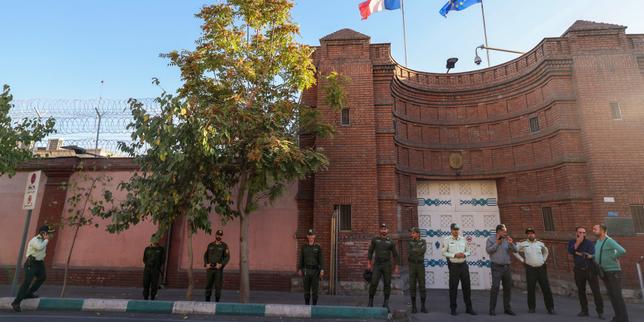
Diplomatic flashpoints rarely stay confined to official conference rooms. When the judicial authorities in Tehran ordered the immediate closure of the Centre de langue française (CLF), an institution tied directly to the French embassy, it signaled another sharp escalation in the already tense relations between Paris and Iran.
The Tehran prosecutor's office didn't mince words. They accused the French-affiliated facility of conducting illegal operations that supposedly undermine Iranian culture and threaten national security. According to the official narrative pushed by local authorities, the center allegedly engaged in profiling individuals, building clandestine networks, and facilitating the departure of qualified Iranian citizens abroad.
You don't need a degree in international relations to see what is happening here. Academic and cultural institutions operating under foreign flags in authoritarian states frequently find themselves caught in crosshairs. When domestic pressures mount, tightening the screws on foreign cultural hubs becomes an easy playbook move for state security apparatuses.
The Official Accusations and the Reality on the Ground
For years, language centers and cultural outposts serve as vital bridges between nations. They teach literature, offer language certificates, and provide a window to the outside world for local students and professionals. But in the eyes of Iranian judicial authorities, these exact functions are often reinterpreted through a security lens.
The specific allegations leveled against the French center focus heavily on human capital drain and network building. Tehran has long expressed deep anxiety over the brain drain—the steady exodus of skilled professionals, academics, and young talent seeking opportunities away from economic stagnation and severe social restrictions at home. By framing the facilitation of language proficiency and foreign cultural ties as a national security threat, the regime attempts to justify clamping down on the few remaining windows open to Western engagement.
Yet, diplomacy is rarely a one-way street. This move lands during a sensitive diplomatic period, with ongoing discussions and high-level contacts between French and Iranian officials at international forums like the United Nations General Assembly in New York. Shutting down a cultural asset gives Tehran a tangible lever of pressure, sending a clear message about state sovereignty and foreign influence.
Why Cultural Outposts Become Targets
When governments want to send a diplomatic signal without initiating a full-scale military conflict, cultural assets are often the first to pay the price. They are visible, they are foreign-backed, and they represent soft power—something that authoritarian regimes view with inherent suspicion.
Think about how soft power operates. It builds goodwill, encourages independent thought, and fosters direct human connections that bypass state-controlled channels. For a government fighting to maintain ideological control over its populace, independent cultural ties feel less like diplomacy and more like subversion.
The closure of the Centre de langue française in Tehran isn't an isolated bureaucratic decision. It reflects a broader, hardening posture toward Western diplomatic missions and the educational networks they support.
What Comes Next for Bilateral Ties
History shows that retaliatory measures or diplomatic protests rarely cause an immediate reversal in such cases. France and other European nations face a persistent dilemma. Do they maintain a low-profile diplomatic presence to keep channels open for consular assistance and civil society engagement, or do mounting security risks force a complete withdrawal of cultural infrastructure?
As local staff face uncertainty and students lose access to educational resources, the space for independent cultural exchange in Iran continues to shrink. The decision in Tehran closes another door, leaving fewer pathways for dialogue in an environment that desperately needs more connection, not less.