You can't bomb your way out of a maritime choke point, and Tehran knows it. Iran is doubling down on its stance that only direct political settlement can untangle the severe standoff with Washington and Israel. This comes immediately after U.S. President Donald Trump publicly dismissed an Iranian proposal submitted via Qatari mediators at the United Nations General Assembly to reopen the Strait of Hormuz and halt hostilities.
Iranian Foreign Minister Abbas Araqchi took to social media to state clearly that any movement on the critical waterway remains contingent on specific conditions. He argued that a negotiated solution is the only path out of the current geopolitical deadlock.
What Was Actually on the Table
The rejected proposal wasn't just a random diplomatic overture. According to Iranian officials at the UN in New York, the framework detailed a strict seven-day countdown mechanism. This mechanism would trigger a synchronized reopening of the Strait of Hormuz alongside a temporary pause in regional fighting.
If Washington showed genuine interest, both sides could transition into wider talks covering mutually agreed subjects, including the long-disputed Iranian nuclear program.
Yet, the White House saw it differently. President Trump rejected the plan outright, claiming Tehran is pushing for an immediate deal out of sheer desperation. Leaks reported by outlets like The Wall Street Journal indicate that U.S. leadership remains deeply skeptical about Iranian compliance. Privately, calculations point toward potential renewed military strikes following the upcoming U.S. midterm elections.
The Real Battle Over the Strait of Hormuz
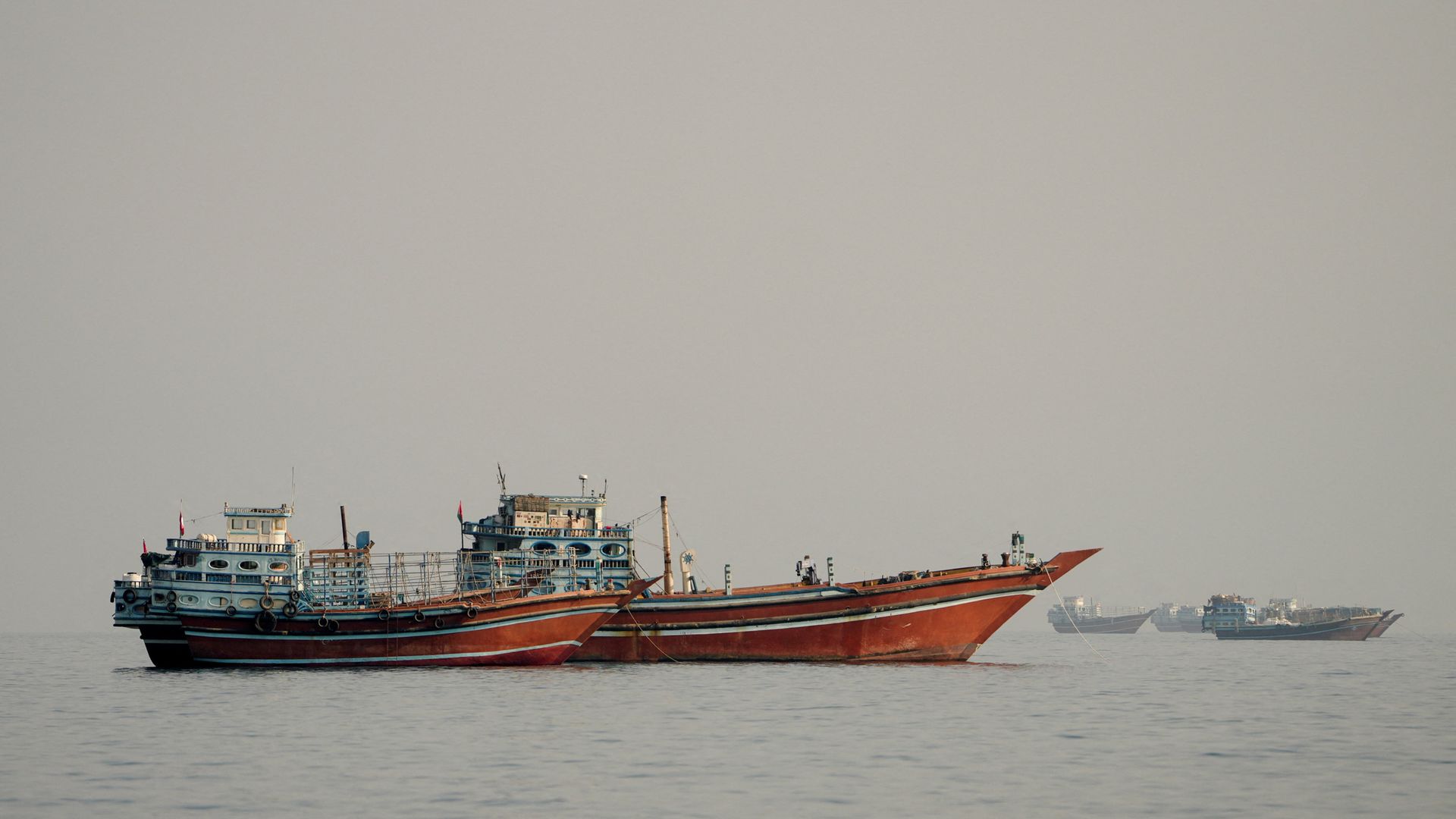
Why does this specific maritime corridor matter so much? Before the conflict erupted on February 28 with initial U.S. and Israeli strikes, roughly twenty percent of the world's petroleum passed through this narrow body of water.
When tanker traffic slowed to a crawl due to ongoing naval blockades, retaliatory drone attacks, and mandatory Iranian authorization routes, global energy markets felt the shockwave. The economic blockade imposed by the United States aims to squeeze Tehran into submission. Meanwhile, Iran and its regional allies have extended the theater of conflict through proxy actions and maritime disruptions.
Oman's Foreign Minister Badr Albusaidi addressed the UN General Assembly by urging both Washington and Tehran to step back from the brink. Muscat has pledged to help safeguard navigation under international law, but the fundamental friction points remain untouched.
Where Negotiations Stand Right Now
Despite Trump's public rejection, Tehran claims that Qatari intermediaries haven't officially delivered a final, formal rejection through diplomatic channels. Araqchi noted that Iran is waiting for official word before locking in its next strategic move.
At the same time, Iranian President Masoud Pezeshkian emphasized during a media interview that the country is ready for serious talks. However, he drew a hard red line against coercion or bullying, maintaining that Iran will defend itself against any military pressure or economic strangulation.
Even as the Islamic Revolutionary Guard Corps Navy issues stark warnings regarding U.S. naval assets in the Indian Ocean, the diplomatic door hasn't completely slammed shut.
Watch the mediators. Wait for the formal diplomatic transmission rather than the public rhetoric, and track whether backchannel communications can survive political posturing on both sides.