Rough seas and towering waves don't just test ship hulls—they expose systemic vulnerabilities in maritime travel. When the passenger ferry Virgo Transport 8 capsized in the Java Sea, it triggered an urgent race against the clock to find roughly 130 missing souls.
Operating across an archipelago of more than 17,000 islands means Indonesia relies heavily on inter-island ferries to keep commerce and people moving. But this heavy reliance often comes with a steep human cost. Let's break down what happened during this disaster, why these tragedies keep repeating, and what authorities are doing right now on the ground.
The Anatomy of the Java Sea Disaster
The timeline of the tragedy points to a rapid escalation of peril. The Virgo Transport 8 departed from Surabaya in East Java, heading toward Banjarmasin on Borneo Island. On board were over 240 people—including 213 passengers and 30 crew members—alongside 89 vehicles.
Around 2 a.m. on Sunday, contact was lost. Before the connection severed, the ship's captain managed to issue a distress signal. He reported waves reaching up to 3 meters (10 feet) and noted that the vessel was dangerously listing.
Instead of sinking completely right away, the 119-meter (390-foot) Japanese-built ferry ended up floating upside down in the Masalembo waters, roughly 148 kilometers away from its destination pier. That upside-down hull became both a beacon of hope for trapped survivors and a nightmare for rescue divers.
Inside the Desperate Search and Rescue Effort
Rescue operations kicked into high gear immediately, but nature hasn't made it easy. By the early days of the search, authorities deployed a massive fleet consisting of nearly 20 ships, aircraft, and specialized personnel from the military and police.
Yet, treacherous currents and heavy gusts severely hampered underwater entry. Rescuers had to rely on navy-operated thermal drones and aerial scans to spot life signs around the capsized hull.
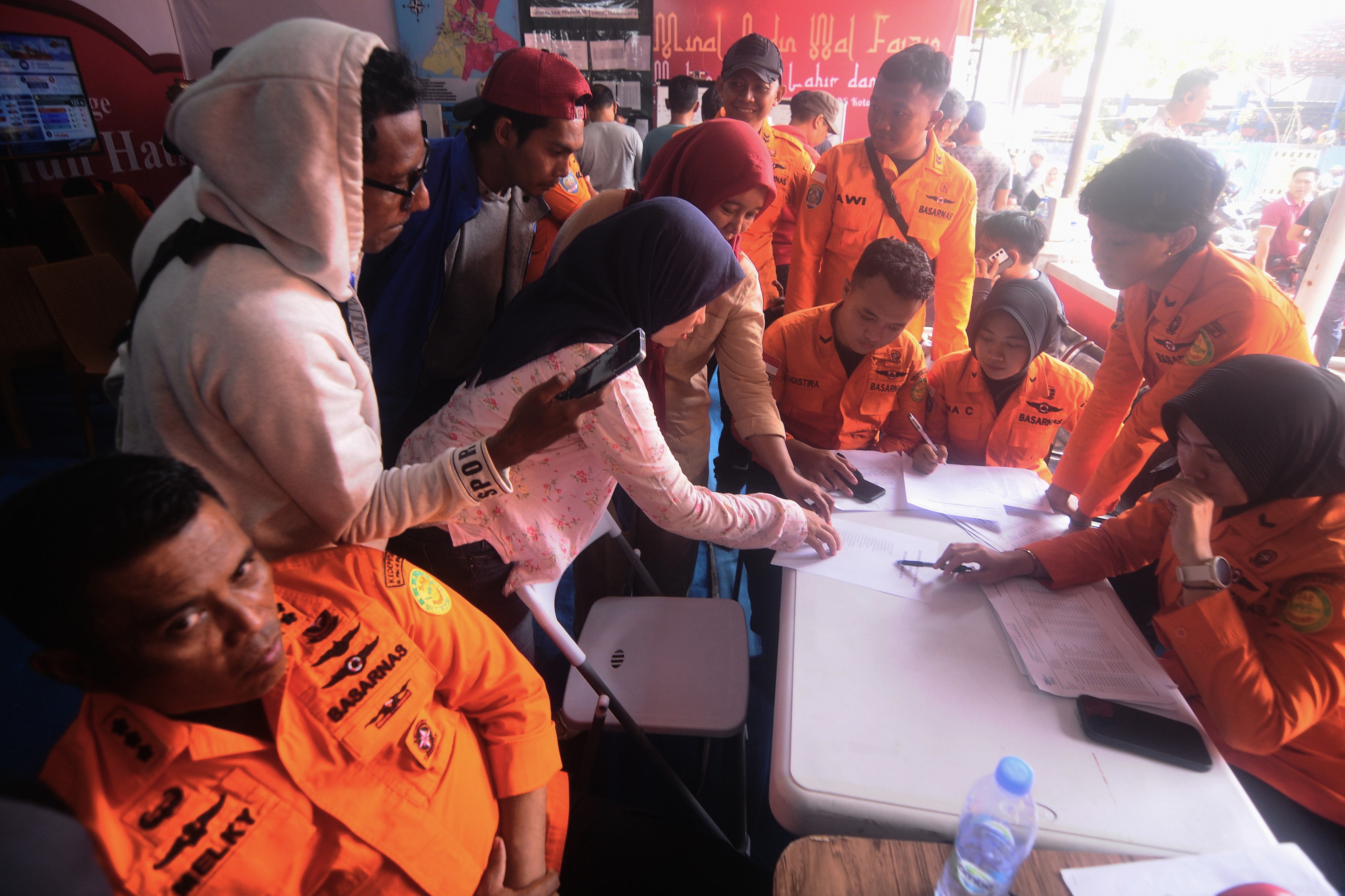
While over 100 people were pulled to safety and several bodies recovered early on, families gathered anxiously at Trisakti port in Banjarmasin. Staring at passenger manifests and checking survivor lists, relatives lived through every family's worst nightmare. Survivors recounted harrowing tales of scrambling to the upper deck, clinging to wreckage, and reciting prayers as the vessel rolled over without warning.
Why Ferry Safety Remains a Chronic Problem
You might wonder why safety standards don't prevent these catastrophes. It's a complicated mix of infrastructure strain and enforcement gaps.
- Manifest Discrepancies: Official passenger lists frequently fail to match the actual headcount on board. This makes tracking who is truly missing a logistical guessing game for rescue agencies.
- Cargo Shifts: Ferries carrying mixed loads of passengers and heavy commercial trucks face extreme stability risks when rough waves hit. If vehicles break loose or lean, a ship can list past the point of recovery in minutes.
- Aging Fleets: Many vessels operating across regional waters have long histories. The Virgo Transport 8, for instance, was built back in 1987. While older ships can remain seaworthy with strict maintenance, older hulls paired with lax oversight spell disaster.
This incident follows a string of recent maritime alerts across the region, including engine fires and sinkings near Bali and Java. Clearly, minor policy tweaks aren't cutting it.
Practical Takeaways for Travelers
If you're navigating maritime transport in Southeast Asian archipelagos, keeping safety top-of-mind can save your life.
- Know Your Exits: The moment you board any ferry, locate the nearest exit routes to the outer decks. Cabin areas trap water and air pockets rapidly if a ship lists.
- Track Life Jacket Locations: Don't assume gear is easily accessible once panic sets in. Spot your closest station immediately.
- Monitor Weather Advisories: Avoid booking travel during peak storm seasons or when gale warnings are active, even if the port permits departures.
Authorities must overhaul vessel loading regulations and enforce strict cargo-securing protocols before the next storm rolls across the Java Sea.