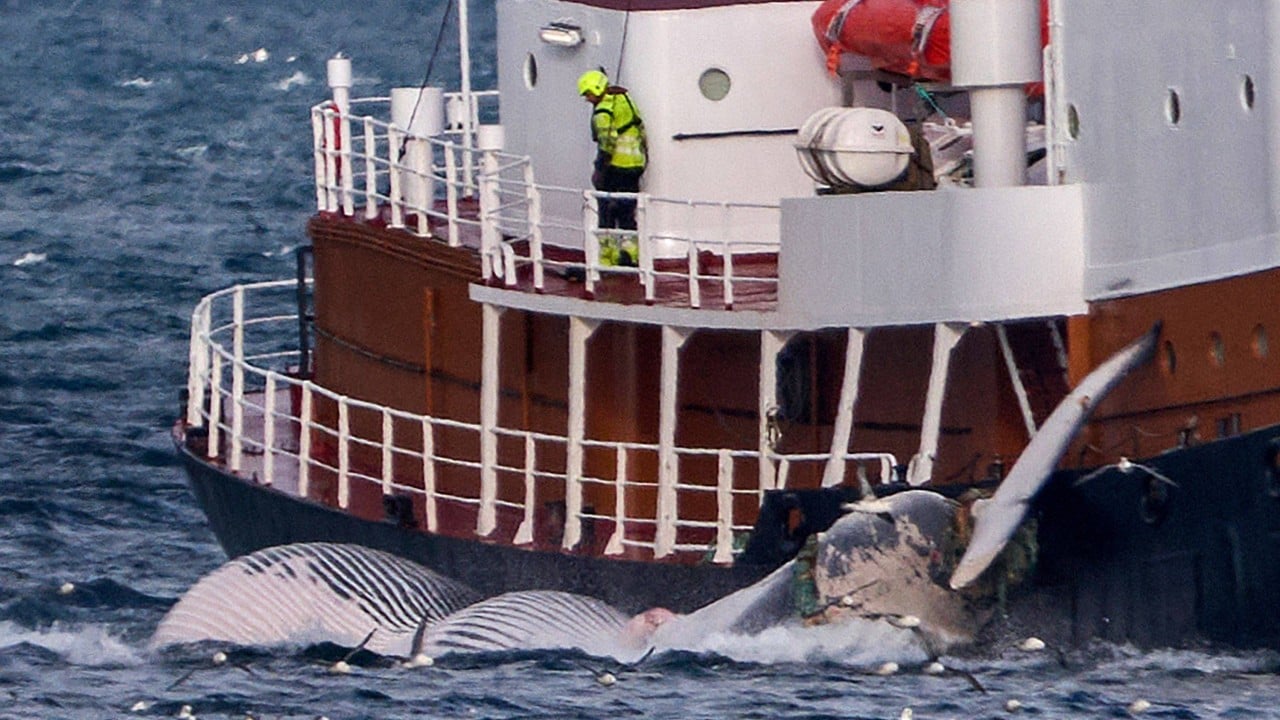
Kristján Loftsson doesn't care about your optics. While Reykjavik lines up a parliamentary bill for February 2027 to permanently axe commercial whaling, the boss of Hvalur hf. shrugs off the noise. Permits run until 2029. Whales still hit the decks. Bureaucrats draft papers while harpoons fly.
Yet the geopolitical map is shifting under Tokyo's feet. If Iceland closes its chapter, commercial whaling shrinks to a lonely duo: Norway and Japan.
Japan stands exposed. Not because minke or fin whale steaks vanished from niche Tokyo menus, or because Kyodo Senpaku's modern factory ship Kangi Maru lacks engineering pedigree. Japan stands isolated because cultural defense of an industry looks different when Arctic peer nations walk away on animal welfare and economic common sense.
The 2027 Reckoning and Why Permits Collide with Politics
Reykjavik's move isn't born from sudden green enlightenment. It's the messy aftermath of a 2023 veterinary inspection report proving harpooned fin whales endured up to two hours of agony before dying.
Industry minister Hanna Katrín Friðriksson called the laws outdated. Animal welfare groups like Humane World for Animals (HWA) counted 80 fin whales caught through early September against a quota reaching 150.
Contractual reality creates friction:
- The Permit Trap: Interim governance previously locked in a five-year license for Hvalur extending to 2029.
- The Legislative Intent: A February 2027 bill aims to overhaul or terminate the legal basis of the hunt.
- The Economic Footprint: Whale meat demand inside Iceland sits near zero; export reliance targets specific niche buyers.
You can't reconcile a two-hour slaughter metric with modern tourism branding or eco-certified North Atlantic seafood exports. Iceland's economy answers to European Union trade dynamics and high-value whale-watching tourism revenue that dwarfs minke or fin carcass sales. Japan doesn't have that dual pressure. Japan's domestic market subsidizes or stubbornly sustains a cultural artifact.
Why Norway Escapes the Same Heat
Norway gets less flak internationally while hunting minke whales in the North Sea. Why? Norwegian minke quotas operate under coastal management narratives tied to regional fisheries and local food traditions, ducking the high-profile blast radius that hits fin-whale harpooning.
Japan left the International Whaling Commission (IWC) in 2019 to hunt inside its exclusive economic zone. Critics framed it as diplomatic regression. Defenders framed it as sovereignty.
When Iceland joins the exit door, Tokyo loses its western-hemisphere intellectual cousin in IWC debates. No more pointing to Reykjavik as proof that North Atlantic maritime democracies still reject the global moratorium consensus.
The Economics of Stubbornness
Let's look at the numbers honestly. Commercial whaling in Japan isn't a national food security pillar. It's a localized subsidized heritage project. School lunch programs occasionally tried whale meat, mostly meeting indifference from kids who grew up on convenience store bentos.
Maintaining a deep-sea whaling fleet requires capital, fuel, crew retention, and public relations damage control. When Reykjavik slams the door, international conservation pressure pivots 100 percent toward Tokyo and Oslo. Oslo absorbs it via European political insulation. Tokyo absorbs it direct.
Common mistakes analysts make:
- Assuming bans mean immediate zero mortality: Permits run out legally; political will moves slower than ink.
- Overestimating local demand: Japanese consumption of whale meat plateaued decades ago.
- Underestimating political face: Japan's Fisheries Agency rarely backs down on maritime tradition because yielding looks weak domestically.
What Happens Next for Tokyo
Tokyo won't panic-ban whaling on Tuesday because Iceland writes a bill for 2027. Bureaucrats play decades, not news cycles.
Instead, expect quiet diplomatic shrinking. Quotas adjust downward or stay flat. Fleet modernization slows. No dramatic press conference declaring surrender; just quiet attrition as crew demographics age out.
If you're watching global marine policy, stop tracking IWC votes. Track insurance costs for whaling vessels, municipal subsidies, and processing plant retirements. That's where industries actually die.
Review the timeline. Mark February 2027 for Reykjavik's parliamentary submission. Watch whether Hvalur's 2029 horizon gets shortened by court challenges or compensation deals.
Then watch Tokyo stand alone in the room, holding a harpoon nobody else wants to share.