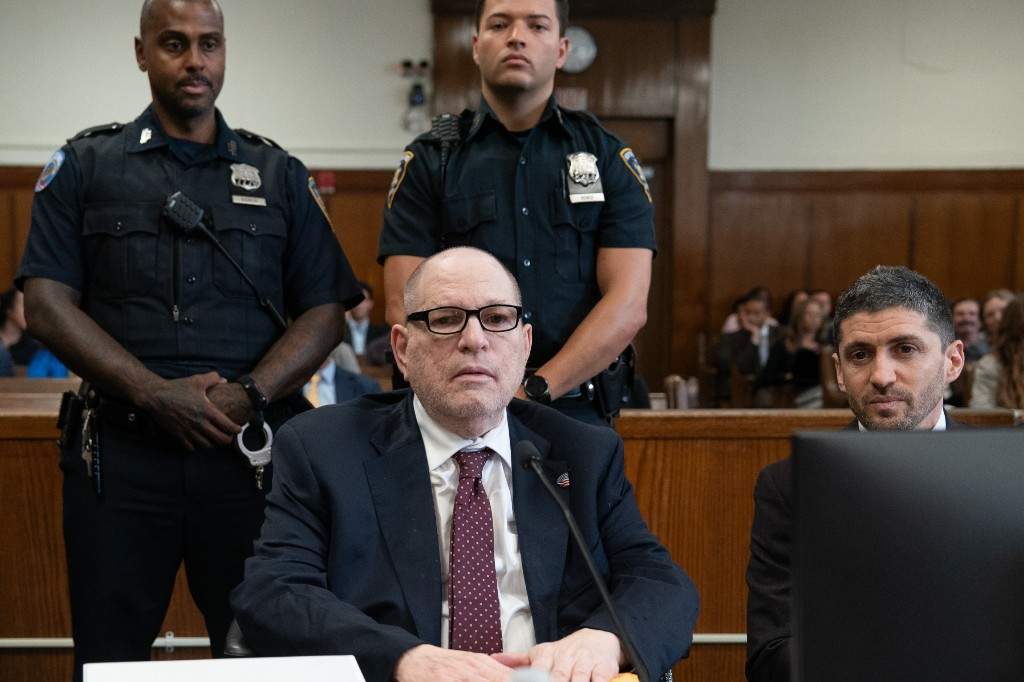
The legal saga surrounding Hollywood's most notorious fall from grace refuses to die quietly. Harvey Weinstein has been handed a 15-year prison sentence in New York for a 2006 sexual assault. This fresh court order arrives years after his original 2020 conviction collapsed under judicial review, kicking off a messy procedural loop that has dominated headlines. If you are trying to keep track of how many times this man has been tried, convicted, overturned, and resentenced, you aren't alone. The timeline is dizzying.
Let's cut through the procedural noise and look at what just happened, why we are back here, and how this sentence impacts the broader legacy of the #MeToo movement.
The Retrial Reality Check
People forget how close we came to a clean slate. Back in 2024, New York's highest court threw out Weinstein's landmark 2020 conviction. The reason? The trial judge had made a critical error by letting other accusers testify about uncharged behavior, which tainted the jury's perspective. That ruling sent shockwaves through the legal community. Critics wondered if the entire foundation of the initial accountability wave was cracking.
Instead of walking away, Manhattan prosecutors took him back to court for a retrial last year. A jury found him guilty of a first-degree criminal sex act for assaulting former TV production assistant Miriam Haley at his Manhattan apartment back in 2006.
The jury delivered a split verdict. They acquitted him of forcing oral sex on another accuser and deadlocked on a separate rape charge involving aspiring actress Jessica Mann. Prosecutors ultimately dropped that remaining charge because Mann couldn't bear the psychological toll of a fourth trial. That paved the way for this 15-year prison term.
Inside the Courtroom Drama
Weinstein arrived for his sentencing in a wheelchair, looking a far cry from the untouchable studio head who once dictated Oscar nights. At 74 years old, his defense team painted a grim picture of a frail man dealing with chronic myeloid leukemia, congestive heart failure, diabetes, and repeated hospital stays.
Defense lawyers argued for a lenient three-year sentence on top of the six years he has already served. Their logic was stark: anything longer meant he would likely die behind bars.
Prosecutors wanted 20 years. The judge landed at 15.
Miriam Haley delivered a powerful victim impact statement before the sentence was handed down. She talked about the heavy toll of speaking up, noting that the pursuit of justice turned into a permanent shadow over her life. She stated that holding him accountable meant constantly looking over her shoulder, describing the ordeal as her own kind of life sentence.
When Weinstein finally spoke, he offered a brief apology for Haley's pain while maintaining his absolute innocence. It is the same script he has repeated through every interview and court appearance. He insists he will eventually be proven innocent, even as his legal options narrow.
Where Things Stand Now
This New York sentence is only part of the puzzle. Weinstein is also facing a resentencing cycle in California. A California appeals court upheld his 2022 rape conviction there but tossed out his original 16-year sentence because the lower court improperly factored in those now-overturned New York charges.
Right now, Weinstein sits in the medical unit of Bellevue Hospital in Manhattan rather than a standard prison cell, managed by a rotating door of doctors and legal teams.
The legal machinery moves slowly, but the outcome here sets a firm boundary. Even when landmark convictions get overturned on technicalities, victims who choose to return to the stand can still secure a measure of accountability. The system is flawed, exhausting, and agonizingly slow, but the verdict stands.