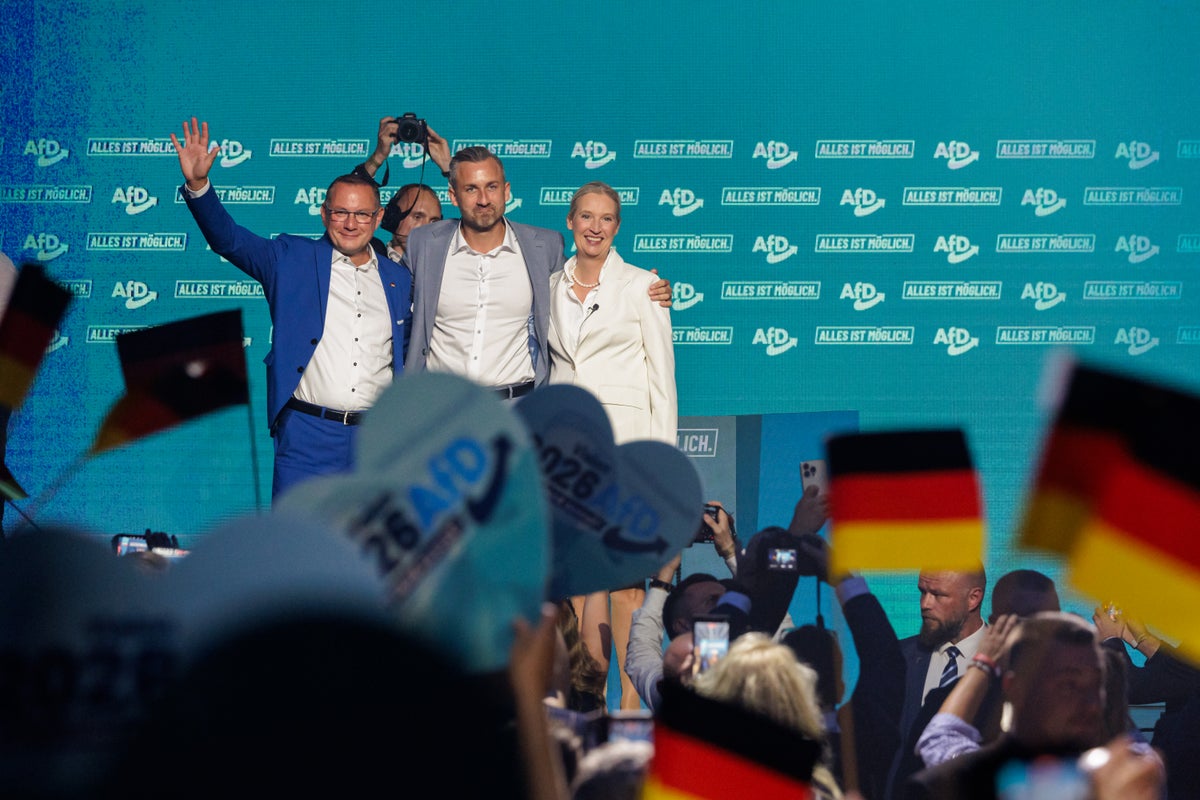
Germany just crossed a political Rubicon that experts warned about for over a decade. The Alternative for Germany, better known as the AfD, secured a staggering 43.8 percent of the vote in the eastern state of Saxony-Anhalt, more than doubling its previous numbers. For the first time since the Second World War, a far-right party stands on the brink of governing a regional parliament.
Traditional political elites thought a simple "firewall" could stop them. They were wrong.
How a Protest Party Went Mainstream
Founded back in 2013 as a mild-mannered eurosceptic group focusing on currency bailouts, the AfD looked completely different at the start. It attracted disillusioned economists, academics, and conservative voters who felt alienated by the Christian Democrats. But politics moves fast. The 2015 migration crisis handed the party a potent weapon.
They pivoted hard. Anti-immigration rhetoric took center stage. Nationalistic grievances replaced monetary policy debates.
Fast forward to today, and the AfD isn't just an eastern German anomaly. National polls routinely place them as a dominant force across the entire country. Co-leader Alice Weidel has made no secret of her ambitions, targeting massive gains in upcoming federal elections.
What Happens If They Take Power?
If you look at the party's official policy papers, the roadmap is clear and aggressive. An AfD-led state government wouldn't just tinker around the edges.
- Immigration: A total crackdown featuring dedicated task forces for swift deportations.
- Education: Segregating refugee children into separate classrooms and pushing a daily routine of singing the national anthem and flying the German flag.
- Foreign Policy: Immediate lifting of sanctions against Russia and a complete halt to weapon deliveries for Ukraine.
Critics label these proposals dangerous. Supporters see them as a long-overdue correction.
The Myth of the Single-Issue Voter
Many mainstream analysts write off the AfD's rise as a simple backlash against immigration. Exit polls tell a more complicated story. While border control matters, only a fraction of voters point to migration as their single driving concern.
Economic stagnation plays a massive role. Disillusionment with federal leadership under Chancellor Friedrich Merz has reached a boiling point. Voters feel left behind by the political establishment in Berlin. When traditional parties fail to solve daily economic anxieties, radical alternatives suddenly look attractive.
The mainstream political establishment is currently fracturing under the pressure. While the center-right Christian Democrats swear they'll never cooperate with the far-right, minor splinter parties like the left-populist BSW have hinted at potential overlaps. The firewall is cracking.
Germany faces a stark choice. If traditional leaders don't address the root causes of public anger, the far-right will keep growing.
What its victory in the east means for the country's politics
This video explores how the AfD's historic electoral breakthrough in eastern Germany reshapes the country's political landscape.
http://googleusercontent.com/youtube_content/1