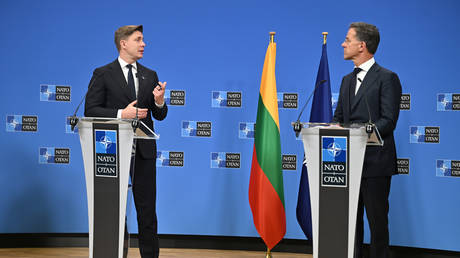
Doors don't usually swing open this fast in international diplomacy. When French President Emmanuel Macron stood next to Spanish Prime Minister Pedro Sánchez in Madrid and smiled in English to say "Welcome back," the political temperature around Brexit shifted overnight. UK Prime Minister Andy Burnham had just broken a long-standing taboo by opening the door to a potential EU return, and Europe's heavyweights pounced on the opening with zero hesitation.
If you've been watching London and Brussels bicker for the last decade, this sudden enthusiasm feels almost surreal. But beneath the warm rhetoric lies a hard truth about post-Brexit realities. Macron and Sánchez made it crystal clear that while London is welcome to return, there's no pick-and-choose menu for European membership. You take the entire community framework, or you stay out.
What the Headlines Miss About the EU Reset
Most mainstream coverage treats this exchange as a simple diplomatic courtesy. It is anything but that. Burnham's decision to float the prospect of rejoining the EU marks a massive political pivot for a British leader, even if he insists he isn't trying to rerun the original 2016 referendum immediately.
Sánchez didn't mince words during the joint press conference, calling Brexit a massive loss for the British people and the European project as a whole. Spain, he noted, would open its arms to a brotherly nation. Macron echoed that sentiment, calling the prospect excellent news for both the UK and continental Europeans.
Yet, beneath the open arms and friendly handshakes, European officials know the math doesn't work out overnight. Unwinding a decade of regulatory divergence involves costs and compromises that neither side has fully budgeted for.
The Fine Print Behind the Open Doors
You can't just stroll back into the single market without paying the toll. Both Macron and Sánchez laid down immediate guardrails during their Madrid meeting. In European politics, you don't get to cherry-pick the benefits you like while dodging the obligations you hate.
Rejoining means accepting the entire community legislation and standard framework. There won't be special rebates or customized exemptions this time around. Brussels has hardened its stance on institutional integrity over the past few years, largely driven by the messy lessons of the first Brexit departure.
Furthermore, public opinion in Britain has evolved. Recent polling indicates that a solid majority of voters would opt to rejoin if another referendum happened today. High living costs, sluggish economic growth, and trade friction have chipped away at the nostalgic promises made by the original Leave campaign. Burnham knows this shift exists, which is why he feels comfortable testing the waters now.
What Happens Next for British Politics
If you're wondering whether Britain is packing its bags for Brussels tomorrow, relax. It isn't. Burnham's comments are about starting a long-overdue conversation rather than triggering an immediate Article 50 reversal.
The path forward requires navigating intense domestic pushback from right-wing factions in British politics who will frame any attempt to rejoin as a betrayal of democratic sovereignty. At the same time, European leaders are currently wrestling with their own immediate budget crises, upcoming elections, and growing pressure from net contributors like Germany to tighten spending.
Europe wants Britain back, but only on European terms. The real work starts now, and it won't happen in front of the television cameras. Watch how the upcoming bilateral summits handle the regulatory paperwork, because that's where the real battle will be won or lost.