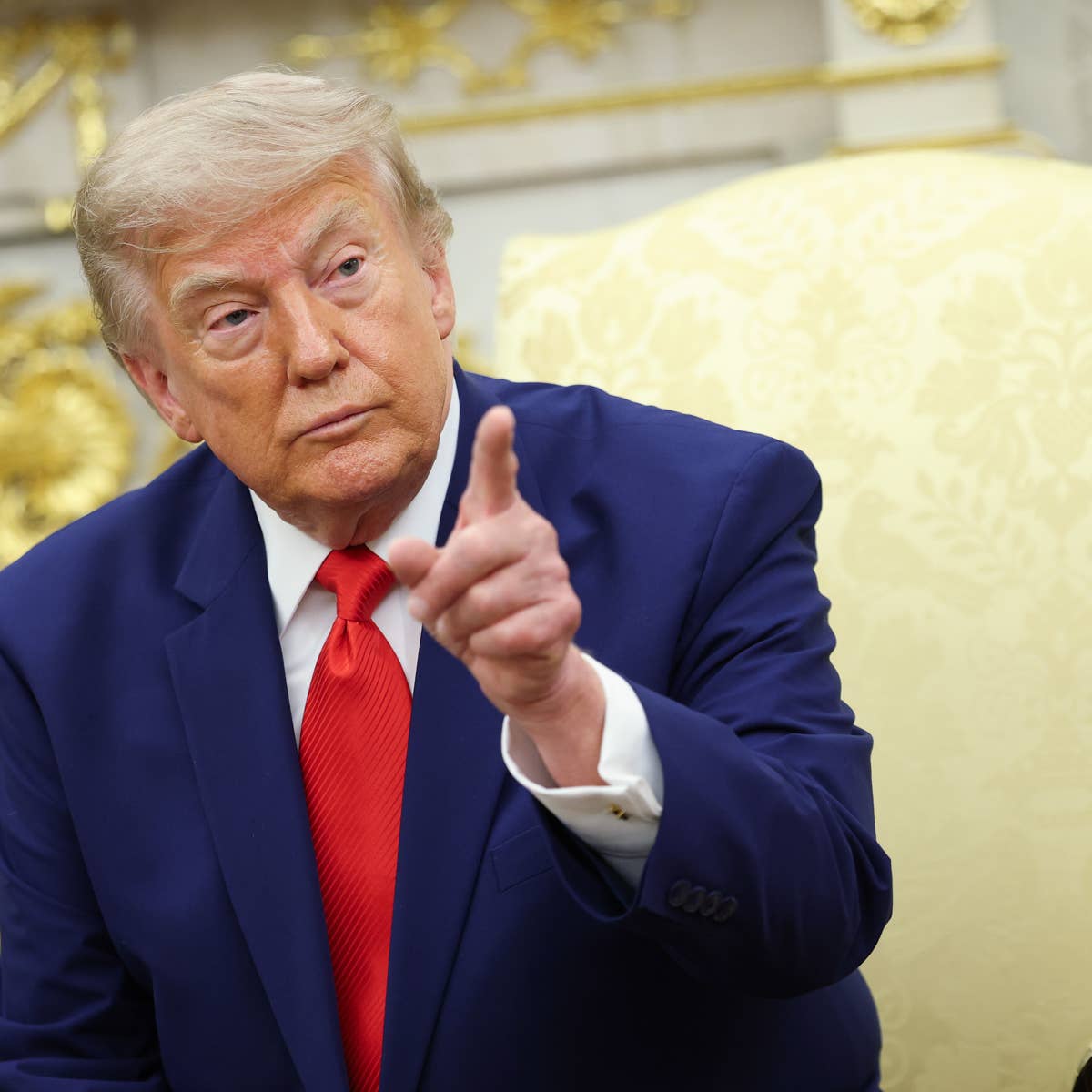
When Donald Trump took to social media to announce that Moscow and Kyiv had mutually agreed to halt strikes on each other's energy infrastructure, Washington insiders experienced a collective sense of whiplash. Within hours, reality caught up. Ukrainian long-range drones struck Russian processing facilities, while Russian missiles continued pounding urban utility grids. There is no ceasefire. There is only a White House desperate to control surging fuel costs before upcoming elections.
If you look past the social media declarations, the math behind this proposed energy truce simply does not add up. Both sides view their respective striking campaigns as strategic necessities, not bargaining chips to be traded away for a diplomatic photo opportunity.
The Diesel Panic Driving the White House
The primary catalyst behind Trump’s sudden push for an energy freeze isn't humanitarian concern for the war-torn populations. It's fuel prices. Global diesel prices have climbed aggressively, driven by a combination of Middle East conflicts and systematic Ukrainian drone attacks on Russian refineries.
Trump made direct phone calls to Ukrainian President Volodymyr Zelenskyy, hammering home a single, obsessive talking point: diesel, diesel, diesel. The White House fears that pump prices will cripple Republican midterm polling numbers. By demanding that Kyiv halt its successful campaign against Russian oil infrastructure, Washington hoped to force a quick influx of Russian petroleum products back onto the global market to cool down prices.
It is a transactional view of a total war. Trump wants a quick PR win that he can sell to voters as proof of his deal-making prowess. Yet, he is asking nations fighting for survival to unilaterally disarm their most effective asymmetric weapons.
Why Kyiv Won't Stop Hitting Refineries
For Ukraine, targeting Russian oil refineries is not a casual choice. It is one of the few ways to bring the economic reality of the invasion home to the Russian public while simultaneously degrading the Kremlin's military logistics.
Ukrainian officials made it clear that Kyiv would only consider a reciprocal energy freeze if international partners could guarantee absolute compliance from Moscow. That guarantee does not exist. Past agreements brokered with the Kremlin routinely collapse the moment tactical advantages shift.
Furthermore, Ukrainian leadership knows that winter is coming. Russian forces have spent months rebuilding missile stockpiles specifically designed to obliterate what remains of Ukraine’s power generation and heating grids. If Kyiv stops hitting Russian refineries now, they surrender valuable leverage without receiving any verifiable protection for their own civilian infrastructure.
Moscow's Calculus of Escalation
The Kremlin's response to the proposed truce has been predictably cynical. Russian officials called the idea a good concept in theory, but instantly attached impossible strings. They demanded that tanker safety be guaranteed and that Western sanctions be lifted as a prerequisite for any meaningful energy stability.
Vladimir Putin is not looking to give Washington a political victory for free. Russian military planners are preparing massive aerial bombardment campaigns intended to break Ukrainian morale once temperatures drop. Halting strikes on energy targets deprives Russia of its preferred terror tactic. Why would Moscow agree to spare Ukrainian power plants when they believe time and attrition are ultimately on their side?
The Reality Behind the Headlines
Declarations of a breakthrough on social media do not constitute an operational treaty. Military analysts across Europe and Ukraine have pointed out that the announcements reflect White House aspirations rather than field realities.
When you strip away the political theatre, the conflict remains a war of absolute stakes. Energy facilities are primary economic targets, and neither combatant is willing to trade structural advantage for temporary global market relief.
Monitor the actual battlefield reports rather than diplomatic press releases to understand where this is heading. Ukraine will keep manufacturing low-cost strike drones, and Russia will keep trying to freeze out Ukrainian cities. The energy truce is a fiction, and the underlying conflict rolls forward unchanged.