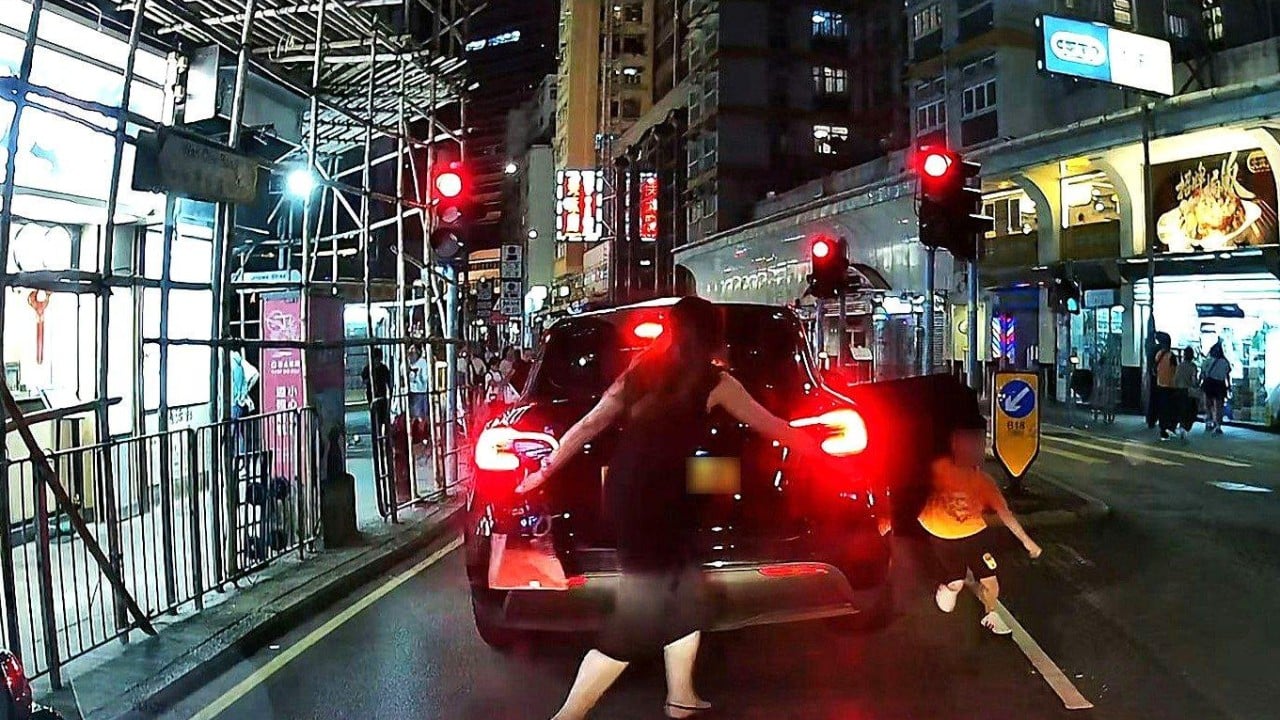
Dashcams capture everything on Hong Kong streets these days. Drivers rely on them for insurance claims, but they've accidentally built an expansive, citizen-led surveillance network.
A 44-year-old woman in Hong Kong learned this the hard way after a dashcam video caught her aggressively shoving a young boy into a metal roadside railing on Wan Chai Road. The clip circulated widely online, triggering an immediate police response and an arrest on suspicion of child abuse. This case highlights how ubiquitous dashcam footage is reshaping accountability in the city. You can no longer assume public spaces offer privacy from watchful lenses.
The Reality of Street-Level Surveillance
Hong Kong streets are dense, chaotic, and packed with vehicles. Thousands of private cars and taxis run dual-facing or front-facing cameras at all hours. When unacceptable behavior happens out in the open, chances are high that a passing vehicle is recording.
In the Wan Chai incident near Burrows Street, the vehicle's camera recorded the woman stepping out of a private car alongside the boy. Instead of a normal walk toward the pavement, the footage showed her physically pushing the child into a metal barrier. After he fell, she hauled him up by the hand and kept walking.
If that camera hadn't been rolling, this encounter would have vanished into the background noise of the city. Instead, Wan Chai district criminal investigators moved fast once the footage hit social media and caught the force's attention. The suspect was arrested in the Western district and subsequently released on bail while the investigation continues.
Why Dashcam Footage Changes Criminal Investigations
Police departments across major urban centers increasingly rely on crowdsourced digital evidence. Dashcams provide unvarnished, chronological proof that cuts through conflicting witness statements.
- Immediate timelines: Video removes guesswork about what happened seconds before an incident.
- Unfiltered context: Unlike edited smartphone clips, continuous dashcam runs capture the lead-up and aftermath.
- Identification: Clear angles often capture vehicle license plates, clothing details, and exact timestamps.
This shift means public behavior is under constant passive observation. People who mistreat children, commit road rage, or engage in street violence are playing statistical roulette every time they step outside.
The Wider Impact on Child Protection
Child abuse cases in dense urban environments often hide behind closed doors. When abuse spills onto public sidewalks, it forces bystanders and law enforcement into active intervention.
Social media outrage frequently acts as the catalyst for police action in Hong Kong. Netizens amplify clips, tagging law enforcement accounts until agencies are forced to prioritize cases that might otherwise sit at the bottom of a stack.
Yet, relying on viral video justice has a downside. It turns justice into a lottery driven by whether a camera happened to be pointing at the right spot at the exact right second. Thousands of hidden transgressions still go unnoticed every single day.
If you witness suspected child abuse or dangerous physical assaults on the street, don't just record and post online for clout. Save the footage, report it directly to the local police district, and protect vulnerable individuals before waiting for a video to trend.