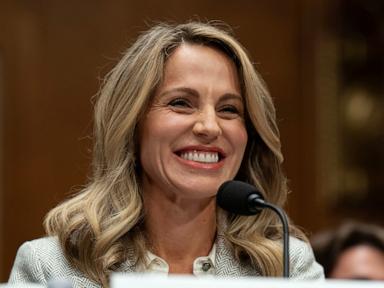
For decades, half of the American population has walked into a medical system completely unprepared to treat a universal life transition. That changed when Senator Kirsten Gillibrand and the Senate Special Committee on Aging held the first-ever congressional hearing dedicated entirely to menopause. Titled "Half the Country, Zero Hearings: Meeting the Moment to End the Menopause Care Gap in America," the event shattered a long-standing political silence.
If you've ever tried finding a physician who actually understands perimenopause, night sweats, or hormone replacement therapy, you already know the frustration. Medical schools spend next to no time teaching doctors how to manage midlife hormonal shifts. Millions of women suffer through hot flashes, sleep disturbances, and brain fog with zero guidance. Worse yet, many feel forced to scale back their careers or exit the workforce entirely. The RAND Corporation estimates that menopause symptoms cost the U.S. economy roughly $5.4 billion annually. Gillibrand pointed out that as many as one in ten women leave their jobs because symptoms go unmanaged.
So why did it take this long? Politics usually operates on short-term election cycles and loud partisan fights. Midterm election noise tends to drown out anything that doesn't poll well on cable news. But midlife health issues affect roughly 75 million Americans right now. Gillibrand used her single yearly prerogative as the ranking member of the Senate Aging Committee to force the issue into the open, working alongside Republican Chairman Rick Scott to request a comprehensive review from the Government Accountability Office (GAO).
The GAO request asks federal investigators to map out exactly what the government currently does on menopause research, how well doctors are trained, and where the massive care gaps lie. You can't fix a broken system if you refuse to measure it. Beyond federal auditing, lawmakers are looking at bipartisan bills to expand funding for women's health research and update medical school training requirements.
Finding the right support shouldn't feel like a guessing game. If you're navigating midlife changes right now, stop accepting dismissive answers from doctors who blame every symptom on stress or aging. Look for certified practitioners specializing in midlife women's health, educate yourself on current treatment guidelines like hormone replacement therapy, and lean on resources provided by advocacy groups and organizations like The 19th News. Demand better care, because silence is no longer an option.
Senate holds first-ever hearing on menopause and women's health
This video clip highlights the landmark Senate hearing convened by Senator Kirsten Gillibrand to address the widespread menopause care gap in America.
http://googleusercontent.com/youtube_content/1