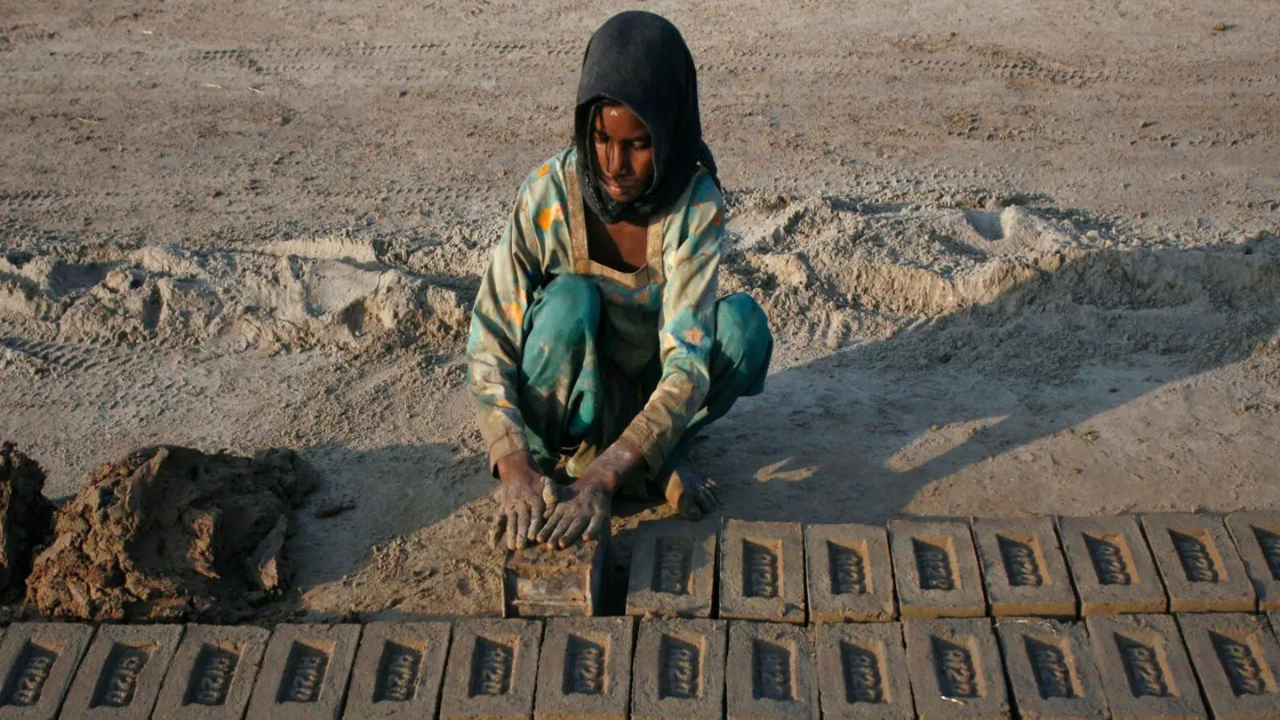
When international organizations discuss systemic rights abuses, statistics often obscure individual realities. Yet behind the recent figures shared at a United Nations Human Rights Council session in Geneva lies a grim truth about young girls in Pakistan. Minority communities bear an outsized share of this burden, caught in a cycle of early marriage, disrupted schooling, and severe medical risks.
Human rights advocates at the Geneva side event, organized by Global Human Rights Defence, laid out numbers that demand attention. Naveed Walter of Human Rights Focus Pakistan pointed to sweeping UNICEF data showing that millions of children in the country face rights violations, with millions under fifteen years old caught in early marriages. These unions strip children of their education and thrust them into premature adult responsibilities. Less than thirty percent of children who enter early marriages manage to retain any basic schooling.
The crisis hits specific regions with brutal intensity. In Sindh, women's rights activist Shagufta Kandhro highlighted data from the National Commission on the Rights of the Child, noting that tens of thousands of children aged ten to seventeen are already married, separated, or widowed.
The Regional Crisis in Sindh
Sindh stands out as a focal point for these human rights concerns. Approximately twenty-one percent of young women in the province marry before turning eighteen. This early transition triggers cascading health crises. Thousands of teenage pregnancies occur annually among girls aged fifteen to nineteen, yet less than half of these young mothers receive the basic antenatal care necessary to safeguard their health.
Nutritional deficiencies compound the danger. Anaemia rates among girls in Sindh reach roughly sixty-one percent, standing as the highest across Pakistan's provinces. When malnourished children enter early pregnancies, maternal and infant mortality rates spike. The physical toll on bodies that are still growing remains catastrophic.
The Intersection of Minority Status and Forced Marriages
While poverty drives many child marriages across South Asia, minority girls in Pakistan face compounded vulnerabilities. Religious minority communities, particularly Hindu and Christian girls, frequently confront forced conversions alongside forced marriages. These cases rarely see proper judicial intervention. Local power dynamics, societal pressures, and a lack of institutional protection leave families with little recourse when young girls are abducted and married off against their will.
International bodies have repeatedly urged stronger legal safeguards, but enforcement remains weak. Laws setting the minimum age of marriage exist on paper, yet loopholes, inconsistent registration practices, and community collusion allow child marriages to persist unchecked.
Moving Beyond Rhetoric
Stopping this cycle requires more than speeches at international summits. Pakistan's federal and provincial governments must enforce existing marriage age laws strictly and penalize religious clerics or officials who solemnize unions involving minors. Birth and marriage registration systems need digital overhauls to prevent document falsification.
Civil society organizations also need protection and funding to support rescued girls, offering them shelter, legal aid, and a path back to formal education. Without direct accountability for perpetrators and active state protection for religious minorities, these girls will continue to bear the heaviest cost of institutional apathy.