Look at social media today and you will notice a bitter shift. Anti-South Asian online hate has jumped 240 percent on platform X, according to a major study published by the Center for the Study of Organized Hate. This spike isn't random. It sits at the painful intersection of strict immigration crackdowns, economic anxiety, and a cultural backlash against the growing political visibility of South Asians in the United States.
You can trace the mechanics of this surge directly back to political rhetoric and policy flashpoints. When official government accounts and high-profile politicians casually lean into xenophobic tropes, the floodgates open online. Let's look at what is actually driving this digital hostility and why the numbers keep climbing under Trump 2.0.
The Numbers Behind the Surge
Data tells a grim story. Researchers tracked over 542,000 hateful posts targeting South Asians on X between January 2025 and June 2026. Monthly volume skyrocketed from roughly 12,900 posts to nearly 44,000 posts.
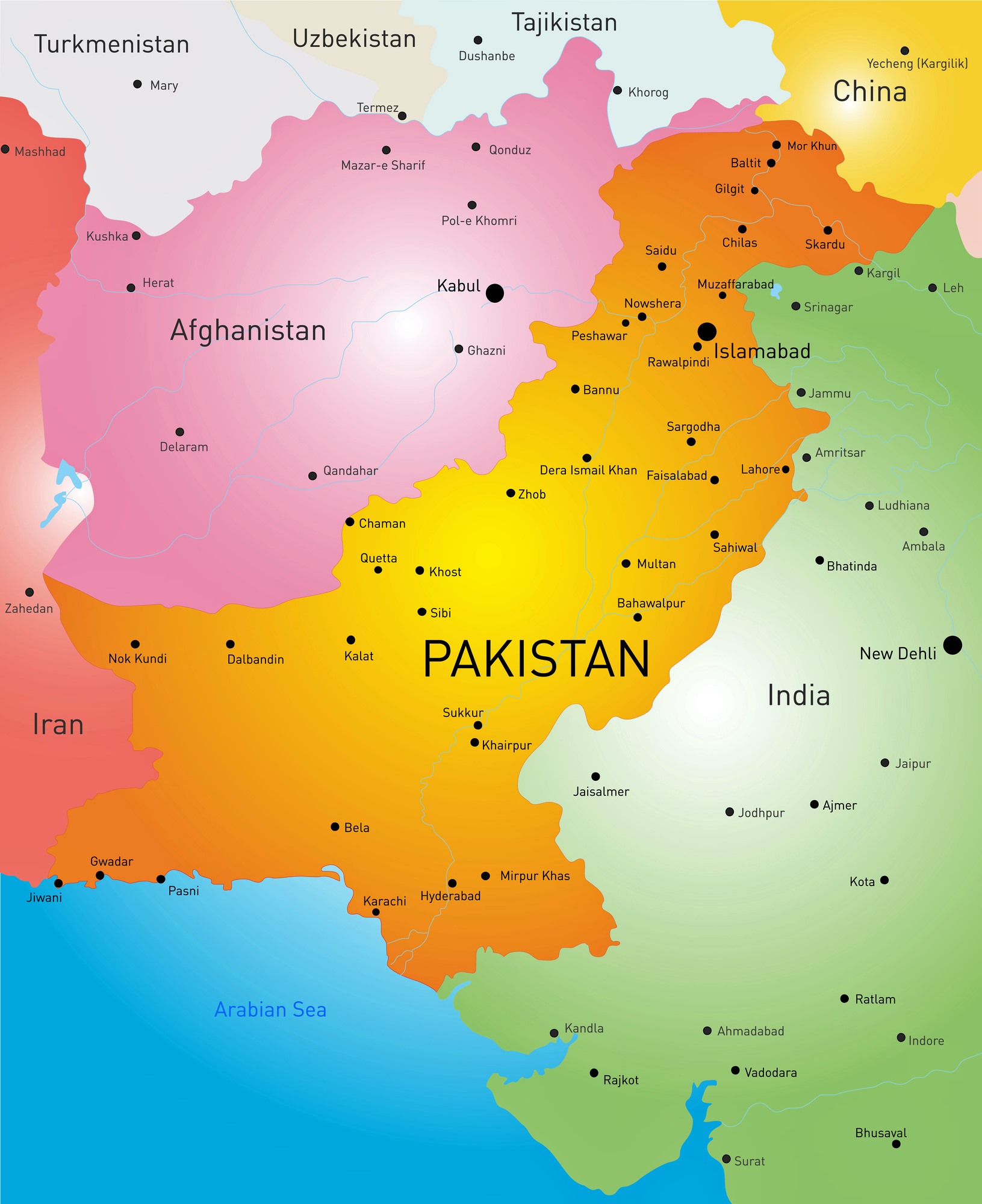
About 45 percent of these posts frame South Asians as invaders, job thieves, or a direct demographic threat. Slurs and dehumanizing caricatures appear constantly, while claims portraying South Asians as unhygienic or dirty jumped by 171 percent. Extremists on fringe platforms and mainstream networks alike lump Indians, Pakistanis, and Bangladeshis into a single monolithic target, ignoring religious differences entirely.
Why is this happening on such a mass scale?
H-1B Visas and Economic Scapegoating
Economic insecurity fuels a lot of this digital anger. Skilled labor and immigration are constant targets in Washington. Indians account for over 70 percent of H-1B visa holders, making them lightning rods whenever immigration policy shifts.
When the administration introduced a hefty $100,000 fee requirement on specific new H-1B petitions, online hostility spiked immediately. Economic resentment weaponizes the old "model minority" myth. Instead of being viewed as hardworking contributors, South Asians are increasingly painted as opportunists stealing American jobs. It is a classic playbook: when the economy feels tight, find an easy scapegoat.
Political Visibility Triggers Backlash
Ironically, as South Asians achieve higher visibility in American civic life, the backlash grows fiercer. Figures across the political spectrum—from prominent lawmakers to local leaders like New York Mayor Zohran Mamdani—find their wins accompanied by vicious waves of targeted abuse.
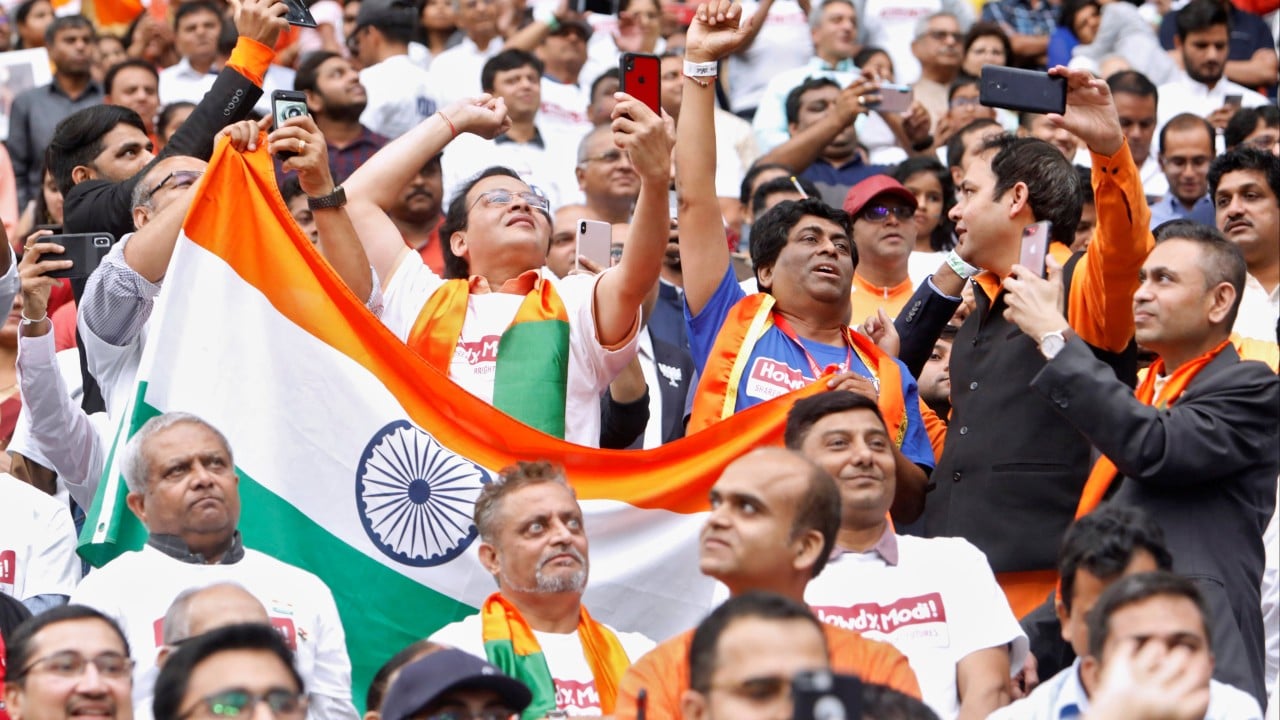
Even ordinary daily life has turned into a political battlefield. When politicians complain publicly about South Asians attending local college football games, online trolls take it as a green light to harass community members at work and home, filming the encounters for digital clout. Government bodies themselves have occasionally crossed the line with posts echoing these exclusion narratives, signaling to extremists that their worldview is valid.
What Needs to Change
Hate online rarely stays online. When algorithms reward outrage and political figures use immigrants as punchlines, real people face real-world harassment. Combating this surge requires leaders from all political parties to call out xenophobia without hesitation, while tech platforms face genuine accountability for failing to police hate speech on their networks.