Paperwork shouldn't decide who gets rescued when disaster strikes, but international consular rules do precisely that. When Dr Anirban Bhattacharyya vanished during devastating floods in Nepal on August 26, 2026, his family expected immediate diplomatic mobilization. After all, he had lived, studied, and worked in Britain for over six decades. He built his entire adult life in the UK, earned his PhD at Newcastle University, and worked as a research associate in its School of Computing.
Yet, when emergency pleas reached British authorities, the response hit a cold administrative wall. Because the 66-year-old academic still carried an Indian passport, the Foreign Office drew a hard line. Residency, it turns out, buys you taxes, homes, and community ties, but it doesn't buy you consular protection when disaster hits abroad.
Ian Lavery, the Member of Parliament for Ashington and Blyth, dragged this painful contradiction into the House of Commons. He highlighted a glaring blind spot in modern international logistics. Millions of people live across borders for decades, paying into systems that ultimately abandon them the moment they step foot outside their adopted country's borders without the right passport cover.
The Trap of Permanent Residency Without Citizenship
Most people assume that if you live somewhere for sixty years, you belong there. Legally, the world doesn't work that way. Citizenship dictates consular assistance, not how many decades you've paid council tax or walked British streets.
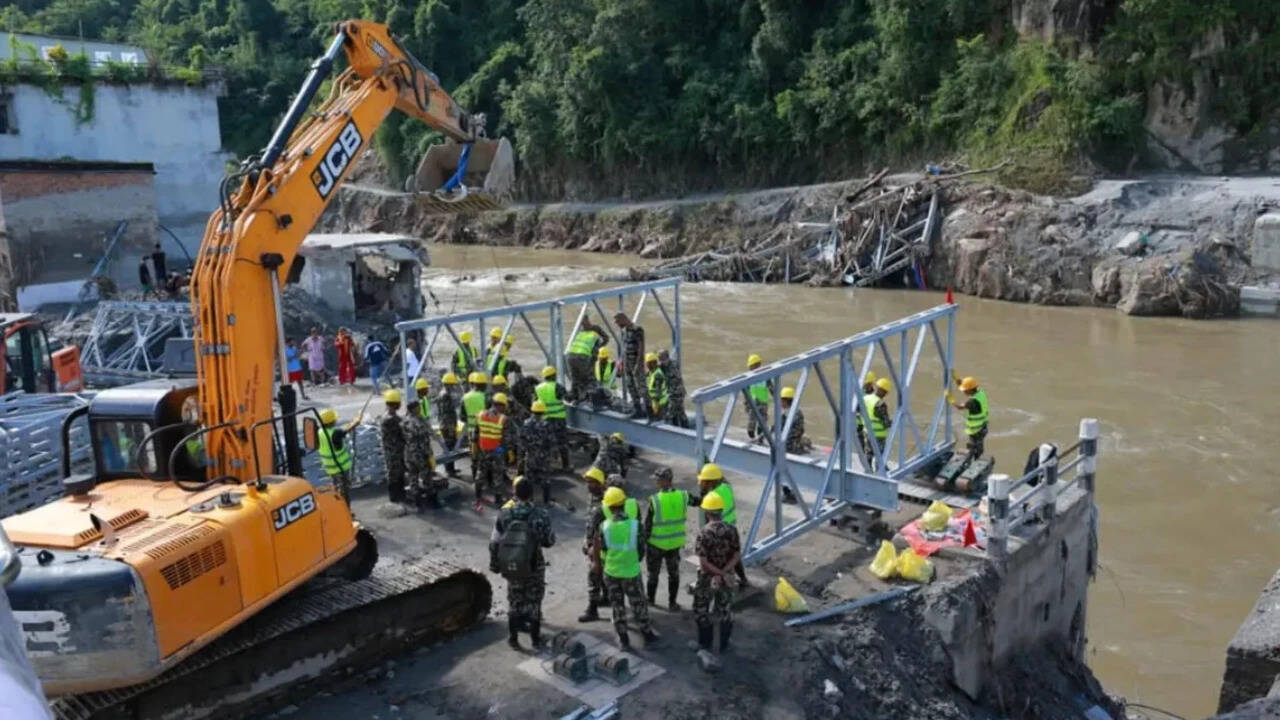
Dr Bhattacharyya's journey turned tragic when a Kailash Mansarovar pilgrimage tour group, organized by a Kolkata agency and managed locally by Samrat Tours and Travels, was caught in severe flooding in the Timure-Rasuwagadhi region near the Nepal-China border. Thirty-two people vanished into the churning aftermath of the flash floods.
When families back home scrambled for help, they discovered a bureaucratic vacuum. The UK government pointed to his Indian nationality, arguing that consular duties fell outside their direct mandate. Meanwhile, cross-border coordination stalled, leaving frantic relatives caught between two national foreign offices while rescue windows rapidly closed.
Why The Rules Need an Urgent Overhaul
This case exposes a dangerous flaw in how global governments handle long-term foreign residents. We live in an increasingly mobile world where dual citizenship laws, immigration backlogs, and personal choices mean millions of tax-paying residents hold passports from their countries of birth.
When these individuals travel, they fall into a diplomatic no-man's-land. Local embassies often assume the adopted home country will step in, while the adopted home country strictly limits its aid to passport holders. Families bear the emotional toll of this institutional negligence, forced to act as their own international detectives.
If you or someone you care about has lived abroad for years without formally changing citizenship, take a hard look at your travel safety net. Don't assume your local community ties or residency status will protect you in a foreign crisis. Check consular agreements, register your travel with the correct embassy, and understand precisely which government holds your legal lifeline before you book your next flight.