Vacations are supposed to end with souvenirs and heavy luggage. Not body bags.
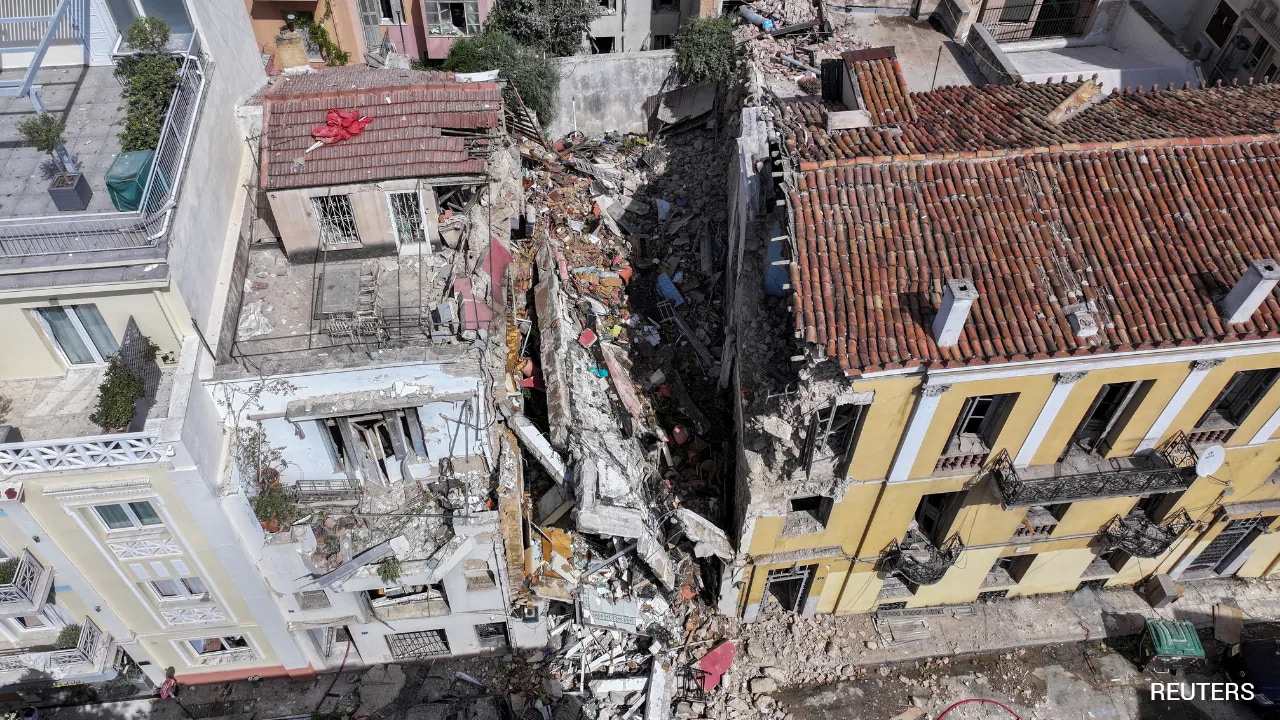
A historic neighborhood in Athens transformed into a disaster zone on a Friday morning. A violent gas explosion tore through a two-story building in Plaka, just steps away from the iconic Acropolis. Beneath the rubble, emergency crews discovered six bodies. Among the dead were four American tourists, two men and two women, who were packed and ready to board their flights home later that day.
Instead of catching a flight, their families received the worst possible phone call.
The Plaka Tragedy Unfolds
Plaka is usually packed with wandering sightseers, outdoor tavernas, and postcard-worthy views of ancient history. That routine shattered when the blast shook the neighborhood.
According to local authorities and Athens Mayor Haris Doukas, a catastrophic gas leak triggered the explosion. The two-story house collapsed completely, scattering jagged concrete and debris across Lysikratous Street. Parked cars stood crushed under heavy masonry.
Thirty firefighters and specialized search-and-rescue dogs sifted through the wreckage for hours. Two women staying in an adjacent building sustained injuries and required hospital treatment. A local pastor confirmed that a nearby historic church suffered structural damage severe enough to force Sunday services outdoors.
Personal documents recovered from the ruins identified the four US citizens. Consular officials are currently working alongside Greek authorities to assist the grieving families and coordinate the repatriation of the remains.
Gas Safety in Historic European Districts
Vacationers rarely think about utility infrastructure when booking boutique hotels or historic rentals. But older European cities present unique safety challenges.
Many buildings in ancient districts like Plaka date back decades, sometimes centuries. Property owners often retrofit these structures with modern amenities like gas heating and cooking lines. When old masonry meets aging pipework, the margin for error shrinks drastically.
Gas leaks remain silent killers. Unlike electrical hazards that might spark or trip a breaker, gas accumulates invisibly until an ignition source sets it off. A pilot light, a refrigerator compressor turning on, or a light switch is all it takes.
If you are traveling abroad and staying in historic apartments or smaller guesthouses, a few basic safety habits can keep you alive:
- Check your accommodation for functioning carbon monoxide and gas detectors immediately upon arrival. If your rental lacks them, ask the host or management.
- Know how to shut off the main gas valve. Most properties have an emergency shut-off near the meter or kitchen entry point.
- Report any faint chemical or rotten-egg odor to local emergency services or property managers instantly. Never assume it is just old plumbing.
The Broader Impact on Tourism and Infrastructure
Tragedies like this prompt uncomfortable questions for tourism boards and city planners across Europe. Millions of visitors crowd into historic city centers every year, trusting that local infrastructure matches the charm of the architecture.
Municipalities now face mounting pressure to mandate rigorous gas safety inspections for all residential properties operating as short-term rentals or guesthouses in tourist-heavy zones. Old pipes cannot fix themselves. Without aggressive maintenance and strict regulatory oversight, historic neighborhoods risk becoming hazardous traps for unsuspecting travelers.
For now, an investigation continues into the exact chain of events that turned a routine morning departure into a heartbreaking international tragedy. Pack carefully, stay alert, and never take basic infrastructure for granted when you cross borders.